• Skip to primary navigation
  • Skip to main content
  • Skip to primary sidebar
  • Skip to footer
Planet Home

Planet Home

Culture Solutions

  • ECOSYSTEM
    • EAT
      • Food Security & Production
      • Land Stewardship
      • Ocean Stewardship
      • Health + Wellness
    • MAKE
      • Circular Economies
      • Green Manufacturing
      • Material Science
      • Regenerative Ecosystems
    • MOVE
      • Clean Transport
      • New Fuel Sources
      • Virtual Connections
      • Ecological Explorations
    • LIVE
      • Sustainable Communities
      • Biodiversity
      • Atmospheric Conditions
      • Renewable + Equitable Energy
  • VENTURE STUDIO
  • LABS
  • EVENTS
  • ARTICLES
    • Featured
    • Network
    • Press
  • Menu bars
  • COMPANY
  • VENTURE STUDIO
  • LABS
  • ABOUT
  • CONTACT
  • NETWORK
  • ECOSYSTEM
  • COMMUNITY
  • MEDIA
  • VIDEO
  • PHOTO
  • PRESS
  • Podcast
  • EVENTS
  • ALL
  • 2019 SUMMIT
  • 2017 SUMMIT
  • Terms of Use
  • Privacy Policy
  • Facebook
  • Instagram
  • LinkedIn
  • Pinterest
  • Twitter
  • YouTube

A Guide to Sustainable Holiday Fashion

A Guide to Sustainable Holiday Fashion

December 15, 2020 by Anton Rohr Leave a Comment

Y’all wanna know the real nightmare before Christmas? The fashion industry during the holidays. The ugliness of that sweater Grandma got you for Hanukkah runs much deeper than just the tacky geometric pattern and itchy wool. Being one of the largest polluters in the world, fashion’s problems start from the beginning. Just making a single cotton shirt takes 2,700 liters of water. Then, once a garment is made, its average lifespan is only as long as the time it takes me to actually fold my laundry – 2 years.

This is only accelerated during the holiday season when consumption is up and clothes are thrown out to make room for the new – the average family throwing away around 81 pounds of clothing annually. That’s why I am here, to offer ways to have a more sustainable and mindful holiday season while still having fun and serving a look! 

Eco-Friendly Style Swap

In the name of reducing consumption of fashion and saving money we don’t have, one way to go about stunting a holiday look at the parties is by choosing the type of party. If your pandemic experience has been anything like mine, you have been rotating through the same 10 t-shirts and 4 pairs of pants and have been experiencing fashion fatigue where you are bored and uninspired by your current wardrobe. Although the quick fix to this would be buying new clothes, this option is only good if you want renewable coal-alternative in your stocking!

Why not have a clothing swap holiday party? You each draw a name of a party goer and have to create a holiday outfit for them strictly from your own wardrobe. Think of an appropriate color palette and don’t be afraid to go crazy! If virtual, this can be done via mail – the reduction of textile waste off-putting any transportation emissions. This could be a moment to totally show off your styling skills or make a friend look a hilarious mess. Not to mention, viewing your wardrobe from a new perspective for other people can be refreshing and breathe life back into it going forward. 

Sustainable DIY Accessories and Gifts

Again, we are looking for ways to spread holiday cheer without buying new. However, maybe wearing someone else’s clothes isn’t for you. I have brainstormed ways for you to SDiY (Sustainably Do it Yourself) and make some fashion accessories from things that you could already have at home or can easily get and reuse. Also, as it is ‘tis the season for giving, these ideas also double as gift ideas. 

Fruit Accent Earrings

View this post on Instagram

A post shared by Fruit Origin Earrings Handmade (@fruitorigin_designs)

Grab a grapefruit, blood orange, or lime depending on the desired color palette and slice into it vertically before leaving the slices out to dry overnight. Then, the next day you can put a hook through the rind of the fruit to make them into earrings that add a needed pop of color to really bring together a holiday lewk. After the party, they can be reused for seasons to come as fruity spring accessories or repurposed as a flavor accent in your next cup of tea! 

Rejuvenated Hair Clips

View this post on Instagram

A post shared by FASHION DESIGNER (@googafashionempire)

We all have those bland solid colored hair clips laying around that serve their purpose but ultimately do little for aesthetics. One way to up the ante on their value is to take an old garment, probably a t-shirt, flannel, or underwear and cut out small strips that can be glued onto the top of the hair clip, recoloring and repatterning it. You might even have an old Christmas ornament around that can be repurposed into a hairclip, making it a much more festive fashion accessory rather than a hair necessity. 

Soda Tab Snowflake

Whether it is a can of Sprite or La Croix, those soda tabs can be the shining star of the show! Take a bottle cap and glue soda tabs around the edge to form a snowflake-like shape then put a jewelry hook through one of the holes on a soda tab. This can be used as an earring or necklace and can be worn throughout the winter season, extending the life and use of these minuscule wonders. 

Fabric Braid Accessory

View this post on Instagram

A post shared by SOPHIE BERESINER (@sophieberesiner)

Tackle those old graphic t-shirts you’ve been hoarding and cut long vertical strips from them then braid them together to create colorful and unique earrings, necklaces, and keychains. 

In order for there to be joy on Earth, there has to be an Earth to begin with. These ideas are a reminder that combating the pollution of the fashion industry during the holidays can be colorful, fun, and fashionable! 

Filed Under: Recent

What We Can Learn From the World’s Happiest Country

December 13, 2020 by Antony Randall Leave a Comment

I have always valued spending time in the great outdoors. I still remember my first backpacking trip up Mount Washington and all the fond memories I have made camping since then. Since the start of the pandemic, I have become especially appreciative of being able to spend time outside. Findings support the claim that spending time in nature is linked to increased levels of happiness and life satisfaction.

Every living thing is connected and depends on one another. Our happiness is directly linked to our relationship with the natural world. Healthy ecosystems provide us with all kinds of resources and are at the foundation of everyday life. The government has a responsibility to protect biodiversity and restore key ecosystems. Continue reading to find out ways we as individuals can become better environmental stewards.

Meet the World’s Happiest Country

Bhutan, located between India and China, is said to be one of the world’s happiest countries. Bhutan is primarily a Buddhist nation that practices protecting the natural environment. The government prioritizes caring for the land and the people see the inherent value of all living beings. In fact, the nation was closed to tourists until 1974 in part to protect the environment. Each Bhutanese citizen has the right to free medical care and free education. Bhutanese people value their traditions and their unique culture. The law in Bhutan states that at least 60% of the country’s total physical footprint must be dedicated to forest conservation. Bhutan has exceeded that number with over 71% of the country covered in trees as of 2019.

The monarchs in Bhutan have worked tirelessly to carefully balance economic growth, social development, environmental sustainability, and cultural preservation. In 2015, Bhutan set the world record for planting 50,000 trees in just one hour. As a result of these efforts, Bhutan is the only carbon-negative country in the world, meaning it absorbs more carbon dioxide than it produces. The citizens of Bhutan consume food and other products that are grown and cultivated within the country, and the long-term goal is for everything to be all-natural.

A National Happiness Score

Bhutan takes a holistic approach to development. In the 1970s, King Jigme Singye Wangchuck proclaimed that gross national happiness was as much, if not more, important to measure than the gross national product. In 2008, the Gross National Happiness committee was formed. Bhutan is the only country in the world with an official ministry of happiness. The goal of the committee is to measure and maintain the citizens’ inner peace and levels of happiness. In 2015, the committee organized an extensive survey to interview citizens about their level of happiness.

The result of the survey revealed that 91% of the population considered themselves happy and 43% considered themselves deeply or extensively happy. We can learn a lot from Bhutan about the path to happiness and life satisfaction. Other countries should be looking to Bhutan as a model for how conservation and sustainability can be integrated into everyday life. Governments need to ensure that the basic needs of citizens are being met. That includes addressing the mental, physical, and environmental needs of a given community.

How do we measure Happiness?

The World Happiness Report, which was created by the United Nations in 2012, was inspired by Bhutan’s leadership. Finland and Denmark have consistently held the top spots. Happiness is difficult to measure, but in essence, it is the satisfaction with the way one’s life is going. The World Happiness Report is categorized into six areas of life satisfaction: income, healthy life expectancy, social support, freedom, trust, and generosity. The best predictor for happiness according to this data is relational satisfaction. Do we have people that we can rely on? Do we have people we can share our hopes and dreams with? Humans are inherently social beings, and consequently, feeling connected to others and having a sense of purpose are crucial components of well-being. Meaningful work like volunteering also creates a shared sense of identity and has been proven to increase feelings of happiness. If you live in New York consider volunteering with NYC GreenThumb, the largest community gardening program in the nation.

On average wealthier people tend to be happier but only to an extent. Research shows that once you reach a certain level of income, additional wealth does not seem to impact overall happiness. The ideal income was found to be $95,000 a year for life satisfaction and $60,000 to $75,000 a year for emotional well-being according to psychologists from Purdue University and the University of Virginia. In the United States, the gross domestic product per capita increased by more than a trillion dollars over the three years data was collected. However, the happiness ranking of the United States during that time frame dropped four spots. Social support, freedom, and generosity seem to be the most significant underlying factors among the happiest countries.

Wellness and Environmental Conditions

Research shows that well-being and ecological sustainability go hand in hand. Countries with the highest levels of happiness and social trust also have the strongest environmental protections. Biophilia is a viable explanation for this correlation. Biophilia refers to the hypothesis that there is a natural connection between human beings and other living organisms. This is to say that nature has a direct, positive impact on our happiness. There is evidence in psychology suggesting that being exposed to natural environments improves our mental health and well-being. Spending time in nature is said to reduce feelings of stress and anxiety.

Studies show that short-term exposure to nature supports health and well-being. A study on the recovery process of surgical patients shows that patients placed in a room with a view of nature had a faster recovery process than those placed in a room with a view of a brick wall. In a follow-up experiment, researchers had participants watch a stressful film and followed that by exposing them to various videos either of natural settings or urban ones. Finally, they measured the participants’ stress levels. The results demonstrate that even watching videos of nature has been proven to have psychological benefits.

Care for the Earth: Become Environmental Stewards

It is clear that a healthy environment is an essential part of human survival, happiness, and satisfaction. Earth is our only home and it is our responsibility to take care of it. Our well-being depends on this planet; it provides us food, water, and every other resource necessary for sustaining life on Earth. Whether motivated by religion like the Bhutanese, or by investment in your community and personal wellbeing, we must all strive to be better stewards of the environment.

There are a variety of ways to achieve this. We can start by reducing our consumption and other activities that may be causing harm to the environment. Check out these other articles from Planet Home on how you can be part of the solution, how to go zero waste, and ways to eat more sustainably. We want future generations to grow up feeling happy, healthy, and prosperous, and for this to be possible we must guarantee them a livable planet.

Filed Under: Recent

Seizing the Economic Opportunity of Clean Energy

December 12, 2020 by Connor Flynn Leave a Comment

The topic of shifting atmospheric conditions has quickly become the focal point of today’s scientific discussion, and for good reason.  While our primary energy source of burning fossil fuels is slowly warming the planet, new advancements in clean energy technology have the potential to disrupt the fossil fuel industry and create a more sustainable energy future.  

Clean energy technology is becoming more and more accessible every year.  Not only are clean energy sources better for the environment, but they are also often-times a more economically beneficial alternative to fossil fuels.  Let’s explore some of the reasons why clean energy is quickly becoming a more popular source of energy around the world. 

How Clean Energy Can Help the Environment

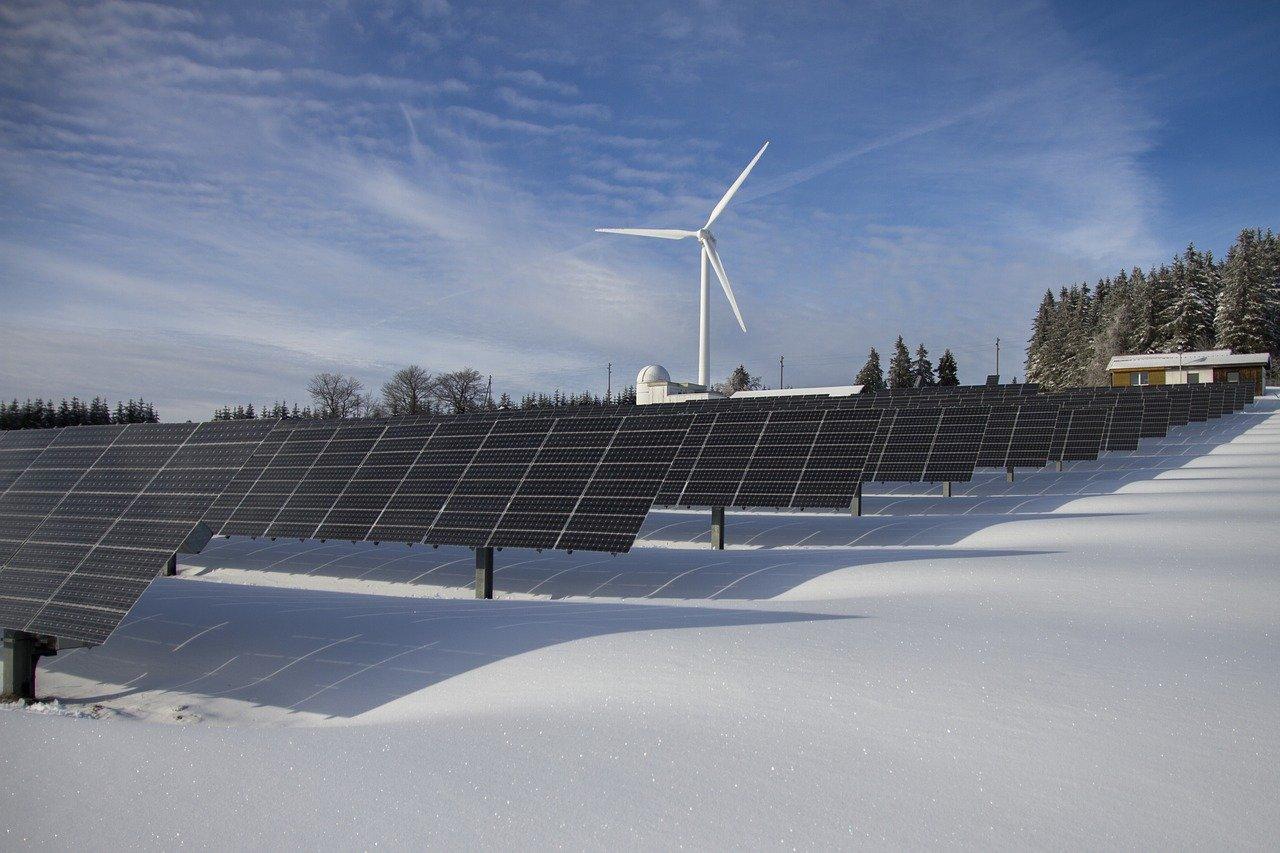
In order to understand its benefits, we first need to understand what clean energy is.  Clean energy is defined as “energy derived from renewable, zero-emission sources.”  You are likely familiar with some of the most common types, including solar, wind, hydroelectric, geothermal, and biomass.  These are all considered to be renewable because they come from resources that are naturally replenishable and will never become depleted.  

Arguably the most important aspect of renewable energy is that it does not release any greenhouse gases into the atmosphere.  Considering how in 2018 global carbon emissions surpassed 33 billion tons, more widespread implementation of renewable energy systems would be greatly beneficial.  Estimates show that by 2050, renewable energy even has the potential to reduce carbon emissions by a whopping 70%.   

Unlike fossil fuels, renewable energy doesn’t produce any harmful particles that cause air pollution and negatively impact human health.  On top of that, most renewable energy sources, like wind and solar, do not require the application of water in the production of electricity.  This means that more water sources can be conserved, and the strain on local water supplies can be greatly reduced.  

A picture containing plant

Description automatically generated

Bigger Bang for Your Buck

Not only is clean energy a more environmentally sustainable option, but it is also a better option from an economical perspective.  Renewable energy technology is quickly becoming cheaper than fossil fuels.  This is partly due to the fact that the price of fuel is always stable and will never change, unlike fossil fuels.  After all, you can’t put a price on the sun.  

Historically, global coal prices have averaged US$ 6 cents/kWh.  While this may not seem like a lot, earlier this year Dubai received an asking price for solar power at just US$ 2.9 cents/kWh, which is the lowest energy cost anywhere in the world.  

So what exactly does this mean for you?  Installing solar panels on residential rooftops can greatly reduce annual electricity bills.  While there is a large upfront cost, an American home with solar panels can save an average of $1,450 in electricity costs each year.  Depending on the state in which you live, it can take six to ten years to pay off the initial solar investment.  However, with the federal solar tax credit of 26%, it may take even less time to pay off and start saving.  

Clean Energy for All

While anyone can benefit from the use of renewable energy, this is especially true for developing countries.  Many underdeveloped countries are located in regions that have untapped potential for utilizing renewable resources.  

One such example is Sub-Saharan Africa, where only 40% of the countries have access to electricity.  Situated in a region that gets an abundance of sunlight, solar power would be a viable energy option for these African nations.  Considering how one of the main energy limitations is the high cost of foreign imports, transitioning to a domestic and renewable system would eliminate the costs associated with energy importation.

Ukraine is a country that has put this method to practice.  In the past, the country has imported the majority of its energy from Russia.  However, after building a large solar power plant, Ukraine was able to save about $3 billion due to the elimination of the high prices associated with importing energy.  

While reduced electricity cost is great, the economic benefits of renewable energy don’t stop there.  The clean energy industry has the potential to create huge amounts of jobs all around the world.  As of 2020, wind energy is one of the fastest-growing energy sources in the world and has created over 100,000 jobs in the US alone.  

But renewable energy jobs aren’t just increasing in the US, they are also increasing in underdeveloped nations.  By 2022, the number of jobs in Kenya’s clean energy industry is expected to double, and in Nigeria, it is expected to increase tenfold.  In just ten years, off-grid renewable energy is predicted to create about 4.5 million jobs, which would especially benefit countries that lack widespread access to electricity.  

Clean energy technology is a promising first step in creating a better future for our Planet Home.  While the energy produces zero emissions and is environmentally sustainable, the economic benefits are just as exciting.  With the potential to reduce electricity costs and create millions of new jobs around the world, the clean energy industry has a very bright future ahead.  

Filed Under: Live

The Environmental Impact of the Holiday Season

December 11, 2020 by Cassandra Townsend Leave a Comment

Fun fact about me: I love the holiday season. I love all of it; the lights, the music, the food.I even love a good gift-wrapping session. I love seeing my family, and I love seeing everyone happy. All that joy does come at a cost, though. Between the lights, travel, wrapping, and food, we create a lot of waste during a normal holiday season. More than one million additional tons of additional waste is created each week between Thanksgiving and New Year’s. 

Holiday Lighting

colorful stringed christmas lights

Strings of lights produce enough carbon dioxide to fill 15,500 hot air balloons, and we all know how large those are. It’s a lot of carbon dioxide. They also increase light pollution by up to 50% in some areas. Light pollution is much more harmful than you’d expect. For us humans, it decreases the amount of melatonin we produce, meaning worse sleep. It’s also been linked to obesity, and too much light can actually make driving at night more difficult. 

For animals, it’s even worse. Coral grows under the moonlight, which also guides baby turtles to the ocean. Artificial light throws a coral’s biological clock off-balance, guiding turtles away from the ocean. Reproduction of frogs and migration of birds is also impacted. And that’s just the beginning. 

To help out, use LED lights. They’re 90% more efficient and just as durable. If you have lights outside, use solar-powered strings. Many strings of lights allow you to set a timer: do it! If you can, the best option is no lights, or at least use no lights outside. Generally, the fewer lights, the better. 

Paper Products 

pile of holiday greeting cards

During the holidays, we use at least eight thousand tons of wrapping paper, 2.65 billion holiday cards, and even more paper from groceries and online shopping. The waste produced from all that paper isn’t the only problem, either. In 2005, the paper industry made up 6% of the globe’s industrial energy usage, and we’ve only been using more paper since then. 

Luckily, there are many ways to decrease how much paper you use. To start, send e-cards! Just as nice, and honestly, quicker than sending paper cards. You can also reuse wrapping paper if you’re careful, along with any boxes things may be wrapped in. Additionally, you can buy recycled wrapping paper in most stores, or through Wrappily. Wrappily creates 100% recyclable and compostable paper and ribbons. There’s also a lot of tricks for eco-wrapping out there, such as using fabric. For more ideas, check out EcoCult. 

Plastic Products

giftwrapping materials and ribbons

Wrapping gifts, holiday parties, the food… we use a lot of plastics in general, but it only increases around the holidays. Just think about all the plastic cups and silverware used at holiday parties. The bows and wrapping paper contain plastic. The packaging on toys, food, decor, and the bags from the stores. Single-use plastics from ordering in when you really don’t want to cook. The plastic Christmas trees and other holiday decors. It’s a lot of plastic. In the UK, it’s an additional 125,000 tons of plastic from food alone. 

Using less plastic around the holidays is a lot like using less plastic year-round: use reusable containers at parties, during travel, and when ordering in. Additionally, make sure any wrapping paper you use is actually paper, and reuse bows year to year. If you can, get a real Christmas tree, or use plastic versions for as long as possible. We use a plastic one at my house, and we’ve had it for around ten years. 

Travel 

airplane wing viewed from a window

We travel a lot during the holidays, and that’s okay! It’s good to see family and friends this time of year, safely of course. We just need to be mindful of how we’re traveling, and even where our food is sourced. 

Air, train, and car travel all produce carbon emissions that are bad for the environment. I think we can all agree that all types of travel increase around the holidays, whether you’re flying across the country, traveling by train, or just driving around looking for the perfect gift. If you buy something online, it also travels, sometimes even around the globe. And food? Unless you’re buying local, food travels an average of 1,500 miles to get to your plate. 

Eco-Travel

Luckily, we have a lot of ways to be more eco-friendly when it comes to travel. Carpooling, for example, to the holiday party. Staying away from flying is also another good step: taking a train uses less fuel, and emissions from planes do more damage to the atmosphere because they’re released higher up. If you do have to fly, try to do it in one shot, as shorter flights cause the most pollution per kilometer. Fly coach, and pack light. 

When it comes to food and gifts, support local businesses! Buy local food so it doesn’t travel as far, and shop at local stores for gifts. If you do buy online, use ground shipping, as it uses less fuel, even if it may take longer. 

The holidays are supposed to be an enjoyable time of year, but that doesn’t mean they need to be harmful to the environment. Embrace an eco-friendly strategy to your plans, and embrace your loved ones at the same time. Happy holidays! 

Filed Under: Live, Recent Tagged With: environment

Happy Hanukkah: What Lights Your Fire?

December 9, 2020 by Nikki Markman Leave a Comment

Hearing the frying pan sizzle as the potato hits the oil, I am pleasantly reminded that my favorite dish is in its final stage. The women in my family have been making latkes for generations. These delectable starchy goodies bring memories of past Decembers – both of  Hanukkah and my birthday, sharing the same month and a perfect opportunity to reflect on the year past.

My comfort food is almost ready, except it isn’t.

As I hover over the pan, I think of my mom gently pushing me away, reminding me that although it will be served shortly, it still takes time before the dish is ready to be served. My impatience rising, I wonder why it takes so long to fry these delicious potato pancakes.  

carrots on brown wooden chopping board

Learning from my ancestors and taking a deep breath, I smile, reflecting that the best latkes take time.

You only flip them once, ensuring that the edges are golden brown. Stirring them in the pan, they don’t stay idle but move around in the oil intact. It feels like a lot of effort for my local potluck where a group of us are organizing a plan of action to canvas the surrounding area to encourage people to vote. I’m wondering why I’m making all this effort when something simple like chips and dip would suffice. I think about my grandma and all the occasions she made my favorite dishes – all the energy, time, and effort. I needed to channel that spirit as a wait for the latke edges to turn golden. 

Were generations before encouraged to maintain these culinary traditions? Where and when did they begin? Was it during an exile period needing to use whatever ingredients were available? Thinking of the main staples of the dish – potatoes, the starchy vegetable that provides sustenance for people around the globe. The onion, the layers of sorrow and joy – a  base for this dish served during the holidays. The oil, symbolic of hope and perseverance. All of these elements coming together to form this delicious oval pancake permeating with possibilities.

I wonder about the future possibilities of our collective as I flip the latkes. 

With the opaque potato mixture hitting the oil, sizzling and popping, I think about my emotions and the importance of collective impact. With everything that we’ve experienced this year, between the ongoing pandemic, overwhelming climate change, deep social analysis and recalibration – I feel compelled to take part in direct action. Connecting with people from various backgrounds and realities, I am encouraged that we each can (and do) make a difference for the planet. Eating one less beef meal, picking up trash at my local beach, minimizing my plastic consumption – these are just some of the ways that a micro-action can make a major environmental impact. 

Being passive and complacent is no longer an option.

people sitting on brown wooden bench during daytime

We must use our voices in productive ways and directly show each other that every small act adds up to make a profound change to embrace our role as stewards for our Planet Home.  

Despite the challenges our planet faces, I don’t have to look far to find glimmers of courage.  I think of my neighbor fighting food insecurity in our area one meal at a time. Another neighbor from Nicaragua bakes cakes every Sunday to raise money for legal funds for children displaced from their homes and families. My neighborhood association organizes a monthly beach clean up – a great way to build community and contribute to a more sustainable environment. 

Brought back to the moment, I look down at the frying pan where the latkes glisten in the oil.  Sizzling like small vibrating neutrons, moving around the pan like a slow dance, methodically undulating. The golden edges appear perfectly brown and, no matter what, I could not rush the process. As I pack up the latkes for the monthly gathering, I realize that patience and persistence pays off.

We have the power to change our circumstances through direct action – one moment at a time. 

silhouette of people standing on mirror during golden hour

Filed Under: Live, Recent Tagged With: holidays

Real vs. Fake: Which Christmas Tree is More Sustainable?

December 7, 2020 by Bethany Perkins Leave a Comment

The holiday season is upon us and for all of those who celebrate Christmas, it is time to get your Christmas tree.  My family loves to go out and cut down our tree each year at a Christmas tree farm.  As an advocate for the environment, I decided to do some research on what kind of tree is the most sustainable.  This is one of my favorite family traditions, so I wanted to be sure it was not a harmful tradition.  Every article and video I dove into described the benefits of tree farms and the dangers of artificial trees.  If you are debating buying a real or fake tree for this holiday season, look no further!

Roots Miles Away: Why Fake Trees Emit More Carbon Than They Save

green pine tree with decorations

Fake trees are made of PVC plastic.  This plastic is harmful to both the environment and our bodies.  PVC can cause various cancers and poisonings.  The reusable quality in fake trees is often the largest argument in favor of them.  Unfortunately, most households only use them for 6-9 years before tossing them into the garbage and buying another one.  Artificial trees are made from non-recyclable plastics and metals.

Another large issue with fake trees is the amount of carbon emitted in producing and shipping them. China produces almost all manufactured trees.  Millions of them sell every year and are ship all over the world.

Roots in the Ground: Why Real Christmas Trees Benefit the Environment

grayscale photo of snow covered trees during daytime

Real Christmas trees are the way to go.  If you are able, supporting tree farms supports ecosystems across the country.  Christmas tree farms are managed forests.  These forests are maintained and kept to benefit not only the trees but the wildlife that inhabit the area as well.  This means that the trees are providing homes and nutrients for wildlife in the area.  Trees absorb CO2 that is building up in our atmosphere.  Typically, tree farms reseed 1-3 seeds for every tree that is cut down.  This provides a sustainable way to manage carbon dioxide storage and ensure trees are remaining in the selected area.

three green christmas tree decors

Another great alternative is buying a rooted tree that can be replanted in the ground outside your home.  These trees may come in burlap or pre-potted options.  They are great for individuals hoping to keep their trees alive and provide a small forested area on their property with each year’s tree.

What To Do With Your Tree After Christmas

two woman walking towards snow

Keep in mind that all real trees are recyclable!  Click here to find great options on where to recycle your tree.  A few examples of how your Christmas tree can be put to good use include: lining hiking trails, creating mulch, and providing food and nesting material for local wildlife.  

Happy Holidays to you&your tree from me&mine!

If you worry about finding a tree this holiday season, there are companies that will deliver real trees right to your door!  You can even do some research to find out if there are any potted Christmas tree rental companies in your area.

Support your local tree farms and ecosystems this Christmas.  Stay safe and healthy celebrating this holiday season!

Filed Under: Live, Recent Tagged With: recycling, sustainability

  • « Go to Previous Page
  • Page 1
  • Interim pages omitted …
  • Page 41
  • Page 42
  • Page 43
  • Page 44
  • Page 45
  • Interim pages omitted …
  • Page 54
  • Go to Next Page »

Primary Sidebar

Recent Posts

  • PLANET HOME Announces $1 Million Tough Tech Prize at Inaugural Gala During Tough Tech Week
  • Planet Home and DataEnergy are solving the Green Computing Dilemma with Renewable AI Infrastructure
  • The Great AI Scale-Up: Balancing Compute Power with Planetary Boundaries
  • The Algorithm’s Bargain: Is AI Really for Good?
  • Code, Culture, and Creation: How AI is Remixing Entertainment’s DNA

Recent Comments

  • Liam Jacobs on Fricken’ Flying Taxis: The Future of Travel is Closer Than You Think
  • Izabella Bauer on The Pressing Plastic Problem
  • Broderick Ruiz on The Pressing Plastic Problem
  • Cherish Velez on The Pressing Plastic Problem
  • Anika Scott on The Pressing Plastic Problem

Archives

  • November 2025
  • April 2025
  • February 2025
  • January 2025
  • June 2022
  • April 2022
  • March 2022
  • February 2022
  • January 2022
  • December 2021
  • November 2021
  • October 2021
  • September 2021
  • August 2021
  • July 2021
  • June 2021
  • May 2021
  • April 2021
  • March 2021
  • February 2021
  • January 2021
  • December 2020
  • November 2020
  • October 2020
  • September 2020
  • August 2020
  • July 2020

Categories

  • AI
  • Community
  • Eat
  • energy
  • Featured
  • Live
  • Make
  • Move
  • Network
  • Press
  • Recent
  • Solutionist 100
  • Solutionists Making Moves
  • Solutions

Meta

  • Log in
  • Entries feed
  • Comments feed
  • WordPress.org

Design

With an emphasis on typography, white space, and mobile-optimized design, your website will look absolutely breathtaking.

Learn more about design.

TRENDING NOW

  • PLANET HOME Announces $1 Million Tough Tech Prize at Inaugural Gala During Tough Tech Week
  • Planet Home and DataEnergy are solving the Green Computing Dilemma with Renewable AI Infrastructure
  • The Great AI Scale-Up: Balancing Compute Power with Planetary Boundaries
  • The Algorithm’s Bargain: Is AI Really for Good?
  • Code, Culture, and Creation: How AI is Remixing Entertainment’s DNA

NEVER MISS A SOLUTION!

Sign up for our mailing list to stay up to date on planet saving solutions, news, and events from PLANET HOME!


BROWSE BY TAGS:

action carbon carbon emissions circular economy coronavirus eat education energy environment esg events fashion finance food green holidays industry lifestyle live make material science move music nature ocean oceans ocean stewardship planet plant-based plastic profile recycling s100 solutionist solutionists solutions sustainability tech technology tiktok transportation vegan waste water wildlife
Locations
Resources
Legal

Footer

Locations
Resources
Legal
  • Facebook
  • Instagram
  • LinkedIn
  • Pinterest
  • Twitter
  • YouTube
  • San Francisco
  • Los Angeles
  • New York
  • About PLANET HOME
  • Contact
  • Media
  • Employment
  • Terms of Use
  • Privacy Policy
  • Press

©2021 Planet Home. All rights reserved.
Use of and/or registration on any portion of this site constitutes acceptance of our User Agreement (updated 5/25/18) and Privacy Policy and Cookie Statement (updated 6/8/21) Your California Privacy Rights. The material on this site may not be reproduced, distributed, transmitted, cached or otherwise used except with the prior written permission of PH.

This website uses cookies to improve your experience. We'll assume you're ok with this, but you can opt-out if you wish. Cookie settingsACCEPT
Privacy & Cookies Policy

Privacy Overview

This website uses cookies to improve your experience while you navigate through the website. Out of these cookies, the cookies that are categorized as necessary are stored on your browser as they are essential for the working of basic functionalities of the website. We also use third-party cookies that help us analyze and understand how you use this website. These cookies will be stored in your browser only with your consent. You also have the option to opt-out of these cookies. But opting out of some of these cookies may have an effect on your browsing experience.
Necessary
Always Enabled
Necessary cookies are absolutely essential for the website to function properly. This category only includes cookies that ensures basic functionalities and security features of the website. These cookies do not store any personal information.
Non-necessary
Any cookies that may not be particularly necessary for the website to function and is used specifically to collect user personal data via analytics, ads, other embedded contents are termed as non-necessary cookies. It is mandatory to procure user consent prior to running these cookies on your website.
SAVE & ACCEPT