• Skip to primary navigation
  • Skip to main content
  • Skip to primary sidebar
  • Skip to footer
Planet Home

Planet Home

Culture Solutions

  • ECOSYSTEM
    • EAT
      • Food Security & Production
      • Land Stewardship
      • Ocean Stewardship
      • Health + Wellness
    • MAKE
      • Circular Economies
      • Green Manufacturing
      • Material Science
      • Regenerative Ecosystems
    • MOVE
      • Clean Transport
      • New Fuel Sources
      • Virtual Connections
      • Ecological Explorations
    • LIVE
      • Sustainable Communities
      • Biodiversity
      • Atmospheric Conditions
      • Renewable + Equitable Energy
  • VENTURE STUDIO
  • LABS
  • EVENTS
  • ARTICLES
    • Featured
    • Network
    • Press
  • Menu bars
  • COMPANY
  • VENTURE STUDIO
  • LABS
  • ABOUT
  • CONTACT
  • NETWORK
  • ECOSYSTEM
  • COMMUNITY
  • MEDIA
  • VIDEO
  • PHOTO
  • PRESS
  • Podcast
  • EVENTS
  • ALL
  • 2019 SUMMIT
  • 2017 SUMMIT
  • Terms of Use
  • Privacy Policy
  • Facebook
  • Instagram
  • LinkedIn
  • Pinterest
  • Twitter
  • YouTube

Eco-Friendly YouTubers You HAVE to Watch

Eco-Friendly YouTubers You HAVE to Watch

March 23, 2021 by Catherine O'Connor Leave a Comment

I used to spend so much time, money and resources shopping. I often did not think about my purchases or consider if I really needed or wanted what I was buying. I just bought for the purpose of buying. Which is horrible for your finances and for your environmental impact. I’m not sure that I was thinking when I did that, but I’ve since developed a much more ethical mindset when it comes to my purchases. With making this transition, I’ve become familiar with quite a few ethical YouTube channels that have helped me learn and grow so much. 

Youtube screengrab

Here are some of my absolute favorite ethical YouTube channels to watch!

Shelbizleee

Shelbi, who goes by Shelbizleee on YouTube, practices eco-minimalism. This means that Shelbi tries to be as minimal as possible with her purchases and environmental impact. She posts videos about her experiences and research, which are great resources for anyone who wants to try to be more environmentally conscious with their lifestyle. 

Shelbi has a Bachelor’s in Environmental Science and is extremely passionate about sustainability. One of my favorite videos that she does is her zero waste grocery hauls.

Going Zero Waste

Going Zero Waste is another great YouTube account, where Kathryn Kellogg talks about eating clean, reducing waste and natural living. She provides really great videos and resources for buying and living zero waste, or as close as possible to zero waste. She is really passionate about avoiding harmful chemicals, ditching plastic, and living a free and clean life. 
litter signage

One of my favorite videos that she does is Zero Waste challenges, where she challenges viewers to try a 31 day period of being zero waste to see if it is realistic to their lifestyle. If you’re interested in watching her content, she comes out with a new video every Sunday!

Inspiroue 

Inspiroue is a favorite environmental YouTube channel of mine because Cynthia creates videos and resources for sustainable fashion and non-harmful thrifting. The word and handle “Inspiroue” comes from the words inspire and you, meaning the goal of inspiring others to shop consciously and sustainably. Cynthia is a Canadian that emphasizes the importance of each and every person having an individual impact that matters.

Sarah Therese

Sarah Therese started out on YouTube as a makeup guru and has since evolved into showing her life as a mom and living natural, minimal, and clean. What’s really cool about her videos is you can go back and see her grow as she learns how to be more and more environmentally cautious, and lessens her environmental impact. Sarah also shows her spiritual journey throughout her videos, and she is very honest with her viewers about the ups and downs of her life and journey. 

She recently moved into a new house and showed ways to decorate and create a functional yet minimal home, which was by far my favorite series of hers because I am addicted to moving vlogs and decorating ideas. 

Jhánneu

Jhánneu uses the power of social media to promote a low waste lifestyle. She creates YouTube videos on things like low waste meal prep, minimalism for beginners, and sustainable beauty and fashion. She is currently located in LA and she emphasizes making sustainable living inclusive, which I love! 

four clear plastic bowls with vegetables

Some of my favorite videos of hers are minimalistic meal prepping and sustainable gift giving! 

Sustainable Human

Sustainable Human is a non-profit account established to promote different ways of thinking. Their videos are very powerful depictions of how each and every one of us has the power to change and make a positive impact. Their mission is to expose the root causes of our sustainability issues and offer different solutions to help us all live in harmony. 

One of my favorite videos of theirs is The Illusion of Insignificance. I don’t want to give any of it away, but trust me, it is POWERFUL. 

Sustainable Living

If you are trying to figure out how to be more environmentally friendly and lessen your footprint, watching YouTube videos from creators like the ones I mentioned can really help guide you in the right direction. The benefit of having these resources is that these awesome people already did all of the heavy lifting, and have greatly researched different ways to be more sustainable.


Filed Under: Live, Recent

Minimalism: Why it’s About More Than Aesthetics

March 23, 2021 by Catherine O'Connor Leave a Comment

Minimalism is a very popular trend as of recently and mainly it’s for the aesthetics. Many resources claim that by living a ‘simple’ life you will be happier and more fulfilled. Essentially, your life will not be cluttered by arbitrary material possessions and you can live a better life, or so they say. 

Minimalism was actually established as an art movement after World War II in the last 1960’s and early 1970’s. Since then, the concept of minimalism has evolved. Now, when we think of minimalism, we often think of an aesthetically pleasing house with little to no signs of actual everyday life.

white staircase with pink background

Minimalism = KonMari Method 

One extremely popular method of minimalism, particularly for the aesthetics, is the Marie Kondo method. She has a special on Netflix called Tidying up with Marie Kondo that I definitely recommend watching! If you are unfamiliar with Marie Kondo, my money is on your life being a cluttered mess. Kidding! Marie Kondo came up with a decluttering system called the KonMari method which is as follows:

  1. Discarding by category comes first. …
  2. Break a category into subcategories as necessary. …
  3. Keep only those things that spark joy. …
  4. After you’ve finished discarding, organize your space thoroughly and completely. …
  5. Do it all in one go.

I myself am a huge fan of the KonMari method and practice it about once a season. For me, using this method to declutter does actually help declutter my mind and feel more at ease with what I own and my ability to fully utilize what I own. We all have clothes or other items that we hold onto for no reason because we know we will never wear or use it again. Why? 

Marie Kondo emphasizes the importance of keeping things that ‘spark joy.’ For me, the extra clothes and clutter really do not bring me joy, so I use her method to make sure I only keep what I really need and love. That ‘sparks joy’ method is within reason, however. My pens don’t bring me much joy, but I need them. I don’t need 100 of them however, so it is important to adapt this method to your needs.

Minimalist Game 

The Minimalist Game is another method to decluttering your life, especially popular on TikTok right now. The Minimalist Game involves decluttering a number of things that corresponds with the number day of the month. So on the 15th, you’d be getting rid of 15 things. 

pile of assorted-color products

This is a great method for people who have a hard time tackling huge projects at once. If the thought of decluttering all in one go terrifies you, this is the method for you. 

Decluttering Efficiently 

When decluttering and attempting a more minimalist lifestyle, it is important to remember that the established point of minimalism is to live a simple life. Some may even argue that living minimally is related to being as environmentally friendly as possible. Therefore, when decluttering it is very important to make sure that you are not creating waste by getting rid of your belongings. 

Three great ways to efficiently get rid of your belongings are to

  1. Donate. Check your area for donation centers, shelters, temporary housing, and schools that will accept your items. Keep in mind that different organizations accept different items, so make sure you’re familiar with them before you head over to donate.
  2. Recycle. Make use of your recycling bin at home, and if you have things that won’t be accepted, many grocery and retail stores accept items that can’t be recycled from home, such as plastic bags. Check out this Planet Home article on places you can take your recycling.
  3. Repurpose.  The things you don’t use anymore could be repurposed into something else. Example could be anything from turning your old paper towel rolls into cable organizers, or using an old tub to plant herbs in. Swap parties are another great (and fun) option for repurposing, as we all know, one person’s trash could be another’s treasure.

Having less things, by default, means that you have a smaller environmental impact. Each and every one of the material possessions you own required resources and energy to create it. Then, think about how it came to be in your possession. This is why it can be greatly beneficial to minimize your purchasing and only purchase the things you really need. I recommend buying less things overall, but especially when it comes to clothes and accessories! I totally understand wanting a broad wardrobe that would allow you to wear a different outfit every day of the year, but there’s really no need to do that. 

Many people already have a plethora of belongings before they decide to become minimalist. If you were to throw out an entire house full of belongings, you’d be negating the positive environmental impact of being minimalist. Once you’ve established what to do with the items you already own by donating, upcycling or selling them, it is important to really reflect on the things you bring into your possession after that. If you go through a constant cycle of buying and then decluttering, you are not effectively being a minimalist or helping lessen your environmental impact. 

Emotional and Mental Impact

There are many claims that a minimalistic lifestyle will lead to an overall happier life. I think it is important to emphasize that becoming a minimalist will not cure depression, anxiety, etc. Minimalism has the power to lessen your emotional and mental burden by default because you do not have as many things weighing you down, but it will not be the cure to every problem in your life. 

woman spreading arms near body of water

Beyond material possessions, it is also very possible and much recommended by me to practice minimalism with your personal schedule and the stress that you put on yourself to accomplish things like chores, errands and plans with friends. I have had a very difficult time with this as I find it very hard to rest, but practicing minimalism with my schedule and the amount of things I do in a day has really helped me mentally and physically. I am much less stressed and better enjoy the things I do, rather than being overwhelmed and pulled into a thousand directions at once. 

Impact > Aesthetics 

Although being minimalistic can be very aesthetically pleasing, it is important to do efficient research when getting rid of any belongings or purchasing new belongings. Even if you only go clothing shopping once a year, if you purchase from an unethical and harmful company, that kind of defeats the purpose. If you go grocery shopping at a very plastic heavy grocery store when you live right next to a farmer’s market, you’re not being as environmentally effective as you could be.

Impact comes before aesthetics so please make sure to do your research about how environmentally effective your lifestyle really is. 

Call To Action 

I have found minimalism to be a very beneficial change for me and my lifestyle. I definitely recommend giving it a try. Not only do you have the opportunity to lessen your carbon footprint, but you can also save money, energy and stress!

Filed Under: Live, Recent Tagged With: lifestyle, live

Ode to Oat Milk: The Environmental Benefits of Dairy Alternatives

March 23, 2021 by Jamie Fischer 11 Comments

Now offered in Dunkin and Starbucks, non-dairy milks are becoming increasingly popular and accessible nationwide. While I may not be part of the lactose intolerant 65% of the population, I can attest that oat milk specifically has been a game-changer in my day-to-day routine. I made this transition primarily based on taste preferences, but learning about the environmental benefits of my favorite beverage has only reaffirmed my love for it. 

Whether you chug milk by the glass or just opt for a splash in your coffee, understanding environmental and health impacts can be useful when choosing a dairy alternative. Here are some aspects to consider as we peruse our grocery store aisles.

Cow’s Milk

In addition to causing stomach aches for those with lactose intolerance, standard dairy milk poses several environmental issues. 3 kg of greenhouse gases, mainly methane, are released for every liter produced of cow’s milk. According to BBC news, producing one glass of milk every day for a year would utilize 650 square meters of land, the equivalent of two tennis courts. This striking amount is also 10x what it would take to produce the equivalent amount of oat milk, which I will discuss more in depth below. 

This harsh reality has received more media coverage in the last few years, leading to a drastic increase in the market for dairy alternatives. In 2017, dairy milk sales shockingly fell at an average of 12%, while plant-based milk sales skyrocketed by 36%. The transition is largely due to increased public awareness, and is having noteworthy positive effects on our planet.  

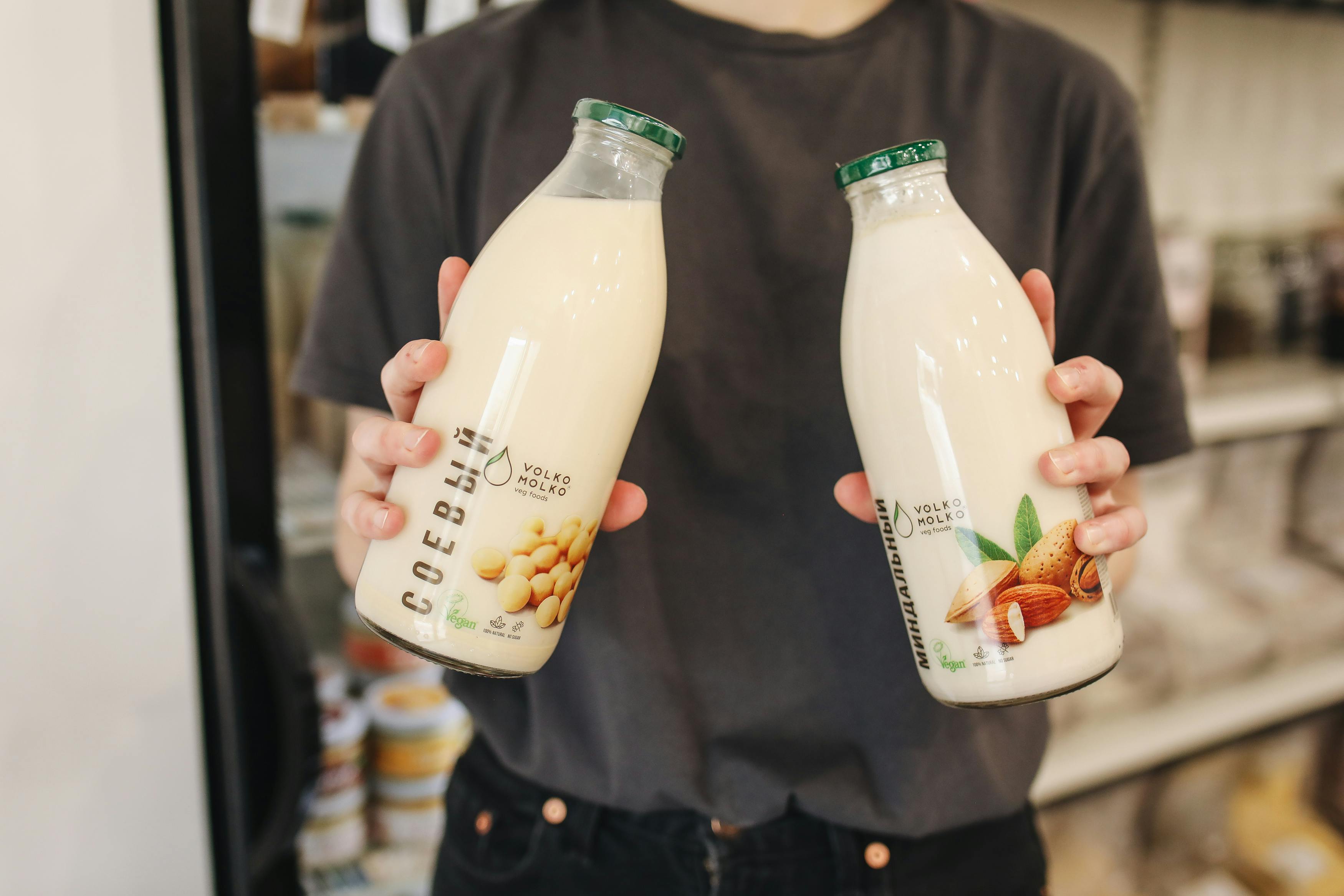
Almond milk

Emitting the least greenhouse gases and requiring less raw materials than other dairy and non-dairy milk alternatives, almond milk is often thought of as an eco friendly option. Yet despite its smaller carbon footprint, almond milk production requires more water than any other plant milk. It takes about 15 gallons of water to produce 16 almonds, and over 80% of the world’s almonds are grown in drought-prone California. Diverting such large quantities of water for almond production can have lasting negative effects on both natural landscapes and biodiversity. 

Almond milks’ flavor versatility, from vanilla to unsweetened, makes it appeal to a wide variety of people. My personal favorite is Califia Farms’ coconut almond milk. Although the option is better than traditional cow’s milk, its high water consumption means it’s still quite harmful to the environment. Let’s check out our next highlighted milk and see what’s what.

Oat Milk

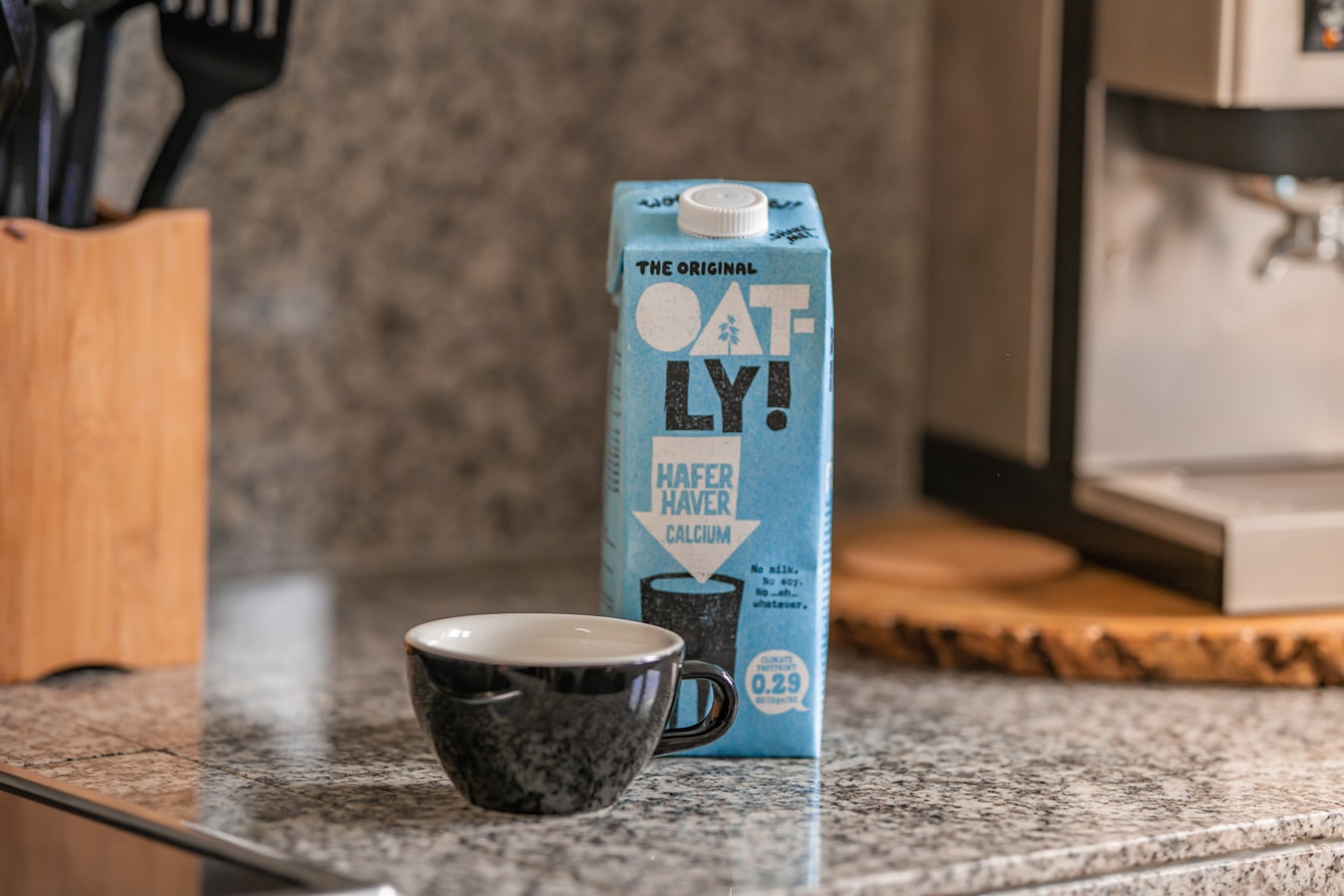
Last, but certainly not least, oat milk. When it comes to oat milk, I will admit I am a bit biased. Oat milk is a great option that those with both lactose intolerance, or with nut allergies, could still enjoy. In addition to its creamy consistency and subtle sweetness, oat milk offers several environmental benefits that should also be considered. 

Oat milk requires only one-eighth of the amount of water that almond milk takes to produce, with 1,929 gallons of water per pound of almonds compared to 290 gallons of water per pound of oats. My personal favorite brand, Oatly, is also using its platform to make its waste process more sustainable. Partnered with local providers, Oatly is sending used and discarded oat kernel hulls to farms and biogas facilities as opposed to landfills. By turning its discards into fertilizer growth and animal feed, Oatly is furthering its mission to lessen its carbon footprint. 

This alternative also offers benefits health-wise. Keep in mind that everyone is different, so one should always consult their doctor when they have questions regarding a change to their diet. That being said, oat milk has twice the amount of dietary fiber as cow’s milk and is especially dense in beta glucan, a fiber that strengthens the immune system. This super milk also has zero cholesterol; replacing every serving of standard dairy milk with oat milk could reduce our daily cholesterol intake by 24mg.

So, now what?

While oat milk seems to have the most environmental benefits, there is not one right and wrong answer when it comes to dairy milk alternatives. From hemp milk to coconut milk to rice milk, the choices are endless. Educating ourselves on the various pros and cons of different products can help us become more informed consumers, and to make decisions that align with your own environmental values. It can also be helpful to check out websites of the brands you want to support, to see what measures they are taking to stay green. 

Filed Under: Eat, Recent

Planet Home X regen·era rising

March 22, 2021 by Max Gibbs Leave a Comment

Here at Planet Home, we’ve always believed that art has the power to inspire people to take action and create a brighter future for our planet. At our past event, we linked up with artists and experience builders to develop immersive experiences that creatively present solutions to our planet’s challenges. Together we created our community’s shared vision of our planet’s future.

Now, we’re proud to announce that Planet Home is collaborating with the Buckminster Fuller Institute and the Design Science Studio to present regen·era rising – a virtual gathering for global creators of regenerative futures.

This event celebrates a decade-long global movement of revolutionary creators, thinkers, and organizations who aim to create a brighter future for our planet and all who call it home. Prepare for immersive experiences, amazing celebrations, engaging workshops, and inspirational art exhibits. 

When and Where?

The week-long summit will run from March 21 to March 28, 2021 and will be completely virtual. From the comfort of your home, you can experience futuristic virtual worlds created by forward-thinking artists.

Join us!: Get Your Ticket 

What Should I Expect?

regen·era features a virtual floating city designed to be the home and heART of the regen-aissance, a cultural and social movement that seeks to comprehensively transform the way in which we think and live in society, redefining our relationship with each other and the planet.

The city is celebrated through a week-long virtual summit called regen·era rising: a confluence of immersive experiences, celebrations, and art. Each will showcase the important, powerful, and collaborative ways design, science, and story collide within the environment of Zoom, New Art City, and Topia.

Click here to learn more.

Who Will Be There?

regen·era rising will be led by the Design Science Studio, an educational organization that uses art inspired by Buckminster Fuller’s design principles to shape our path towards a regenerative future. The studio is powered by 140 artists, thinkers, and creators from around the world. Select artists’ work will be featured throughout the event’s virtual exhibitions. 

The Design Science Studio is fueled by the Buckminster Fuller Institute. Buckminster Fuller was an American architect, designer, and futurist who believed in creating a world where all life could thrive. We’re proud to collaborate with this organization to carry on his legacy.

Throughout the weeklong event, Planet Home will present a series of keynote speakers, panelists, and thought-provoking conversations.

The Solutionist Mini-Series

Planet Home will launch our Solutionist-Mini Series as part of the event. We will bring together innovators, business leaders, technologists, and more to share their expertise on a range of topics that explore the many possibilities of our planet’s future.

Opening Keynote

Join Planet Home co-CEO Antony Randall on Monday, March 22 as he shares the PH message and exciting discussions from the PH community throughout Regen-Era Rising.

The Convergence of Digital & Physical Experiences

On Monday, March 22, leading experience-builders from the Planet Home team will present a discussion on developing impactful digital and physical experiences. Here, we will share how our community of creators build innovative experiences that inspire and drive action.

Building Systemic Solutions

On Tuesday, March 23, Planet Home Solutionists Antony Randall, Robert Suarez, and Amanda Joy Ravenhill will discuss the importance of systems-thinking in creating solutions. Planet Home will share how we’ve used a systems approach to build a framework that is designed to scale up solutions to our planet’s biggest challenges.

Tech for Good

On Wednesday, March 24, we will host a panel that explores the use of tech for good. Antony Randall, Mei Lin Fung, Cyndi Coon, will discuss the ways technology is being used to steward the Earth and counter the effects of natural disasters.

Business for good, is good business

On Thursday, March 25, Planet co-CEO Gabrielle Hull along with Solutionist Tom Chi and Ibrahim AlHusseini will tackle the idea of how the world will fund a net positive future.

Earth Shot

On Friday, March 26, Planet co-CEO Antony Randall will sit down with Maya Zuckerman, COO of Luman an innovation and human capital strategy firm to discuss the concept of inspiring people to take their Earth Shot for the planet.

More sessions will be hosted throughout the regen·era rising event and beyond. You won’t want to miss out!

Featured Showcases

Attendees will be able to explore virtual worlds in Zoom, New Art City, and Topia, including virtual cities filled with thought-provoking work from the Design Science Studio’s artists. The studio has first-hand experience providing inspiring and meaningful experiences. You can expect to see more throughout the week. 

Some of their past notable projects include:

The Museum of Climate Change in 2130

This immersive museum was created by Jeffrey Hawkins, presenting the possible future state of Earth in an immersive experience that transports you to the year 2130.

Pollinators

This experience took the form of a book, presenting the science behind pollinating animals, why we need them, and what we can do to help.

Discover more at regen·era rising, March 21- 28. See you there!

Join us!: Get Your Ticket 

Filed Under: Recent Tagged With: events

TikTok Challenge Inspires Global Trash Clean-Up

March 6, 2021 by Antony Randall Leave a Comment

New generations have taken to social media for their activism and one of the greatest focuses is helping the planet. North Carolina native Daniel Toben has launched a TikTok campaign to encourage people to pick up trash all around the world. He has spent a majority of quarantine going out and cleaning up parks with trash bags, inspiring others to do the same in a safe and socially distant way.

Toben’s trash collection journey began long before the pandemic, though. Two years ago, he noticed a littered storm drain and decided to clean it up. From there, he started cleaning up different areas in his local neighborhood enough that it became a habit and a personal mission. He found that he enjoyed doing clean-ups as a way to spend time outdoors, get exercise, and even spend time with loved ones as he started inviting friends, family, and co-workers to join him.

Most importantly, Toben felt motivated to continue because it simply, “feels good to do good.” Now, he’s in the process of starting a non-profit named The Earth Stewards to encourage people around the world to clean up, too. He has cleaned up around 8,000 bags of litter in his lifetime and is now inviting his viewers on TikTok to do the same.

Talking Trash on TikTok

@danieltoben

#ItWasntMe

♬ original sound – Daniel Toben

In the short clip, Toben narrates over videos of himself picking up trash, hoping to inspire those watching to follow in his footsteps. He calls viewers into action, saying, “I think it would be an awesome thing to show the older generation what the younger generation is capable of, and be a way of us all saying we have got this and we are a force to be reckoned with.”

The response? Toben’s video has gone viral on TikTok and many viewers are excited to join the movement. The video already has more than 250,000 likes and well over 700,000 views. 

“I have gotten hundreds of messages, pictures, and videos, from people on social media telling me that I inspired them to clean up their community,” Toben told Planet Home in an interview.

Even if trash collection isn’t another person’s mission, he hopes the video will inspire others to find what moves them when it comes to taking action for the planet.

“Do what moves you.”

– Daniel Toben

International Impact

Commenters have pledged to join the cause from across the globe, ranging from Japan to Germany. Viewers are tagging friends and saying, “Wanna go hang out and pick up litter this weekend? We can make it a game to see who fills their bag the fastest?” Others pledge to join him enthusiastically with, “I literally think about doing this on my street all the time. This is a sign. Thank you.”

Toben’s campaign is helping the planet, one bag of trash at a time. He has inspired the younger generations to take advantage of this time in quarantine to protect our planet. People have banded together to support one another in making a difference. Other accounts have posted videos of their 52 bag pickup journey, picking up trash at sunrise, and their children choosing to contribute to the cause.

Daniel Toben’s work shows us the power of social media as a tool for advocacy and community work. We can take to the feeds to make great change and improve the world we live in. If every person with a TikTok were to pick up a bag of trash, that would make a huge difference.

@piscespsyche

Pickin up trash at sunrise #savetheplanet #litter #trash #pollution #fyp

♬ original sound – Daniel Toben

You Can Make a Difference, Too!

When asked if he had any advice for young people wanting to make a difference, Toben said, “I think my biggest message for young kids is that you don’t have to be in a position of power or have a degree to be a leader in your community.”

“I think my biggest message for young kids is that you don’t have to be in a position of power or have a degree to be a leader in your community.”

– Daniel Toben

He added that you should also be safe, make sure to bring the proper equipment (such as gloves) with you on your clean-up. Toben also believes that you shouldn’t be afraid to use social media to share your actions. There’s a misconception that doing so could be seen as “boastful,” but social media can be a great way to inspire others or get connected with a like-minded community.

“I think any young person should just go for it, try it!” Toben said. “There’s this idea that you should never share (on social media) when you do something good, but I think that’s counterproductive when it comes to bettering a community.”

If you were inspired by Toben’s video and his passion for helping the planet, I hope you will begin picking up trash yourselves and encourage others to do the same. Let’s clean up our Planet Home!

To learn more about reducing waste, read more about creative waste solutions or how to go zero-waste.

Filed Under: Live, Recent Tagged With: littering, social media, tiktok, trash

What You Need to Know About Ecotourism

March 2, 2021 by Julianna Reid Leave a Comment

The Hidden Dangers of Ecotourism

I want you to close your eyes and imagine your ideal vacation. Now that you’ve done that, think of some of the places and experiences that ideal vacation involves. If you’re anything like me or the rest of the world, that vacation probably involves a beach, nature, or just being outdoors. (Pre-covid) travel rates throughout the world were at an all time high. In 2019, domestic and international travelers spent $1.1 trillion in the United States alone. 

Recently there has been a big boom in the “ecotourism” industry. Ecotourism is defined as: the responsible travel to natural areas that conserve the environment, sustains the well-being of local people, and involves interpretation and education. At first glance, ecotourism seems like a really great thing, and sometimes it is. Unfortunately, there are organizations and people who have taken advantage of it. There is no umbrella organization that regulates ecotourism throughout the world.

All the time, people label their companies as “green,” “eco-friendly,” “environmentally friendly,” etc… in order to draw in customers, and it works. People are profiting off of ecotourism when they are degrading the environments they live in.

My Experience With Ecotourism

I’ve done a decent amount of traveling in my 23 years here on earth. I’ve first hand seen some really great ecotourism companies who were environmentally aware and careful. I’ve also seen some really bad ecotourism companies as well.

For instance, I did a semester abroad and spent some traveling throughout Indonesia. While I was there I had the opportunity to dive off of a little island called Gili Trawangan. The scuba shop I went through had all the classic ecotourism-like features. Posters saying things like “leave only bubbles,” “recycle,” “save our reef.” The charter provided all the divers with reef safe sunscreen and before the dive we had a big briefing on the importance of not disturbing the animals. These were all really great environmentally friendly things. 

people in water with blue and white water

So you can imagine my shock 20 minutes into my dive when my guide proceeds to grab onto the sea turtles back and ride it… What happened to being environmentally friendly? Minimizing our impacts? Being reef safe? Not to mention the fact that if this were to happen anywhere else in the world the guide would’ve been put in jail.

Ecotourism isn’t all bad. I’ve had some really phenomenal ecotourism experiences as well. I spent some time in South Africa. While I was there I went on safari for 4 days. Before we even got into the game parks, we were briefed for an hour on how we were supposed to act. We had to remain quiet at all times, we’re not allowed out of the vehicles, and there were trash bins in the jeep to make sure no trash was left behind. The parks also only let a set amount of cars in to keep the wildlife from being overwhelmed

These two drastically different experiences I had highlight the fault in the term “ecotourism.” It doesn’t have guidelines, anyone can use it, and when people see the prefix “eco” they are quick to assume it’s environmentally friendly. There are many tour agencies that take advantage of this and the planet  suffers as a consequence.

The Issues Associated with Ecotourism

Like I said before, ecotourism itself is not the problem. The problem is corporations bootlegging the term and advertising themselves as “eco-friendly” when they are not. 

Destruction of Natural Environments

Many of these natural destinations are not in areas that have the infrastructure to sustain a high influx of people. To combat this; hotels, hostels, and lodges are built up on these pristine lands. This absolutely destroys the environment, and pushes animals out of their natural habitats. In addition to this, tourists are also essentially stomping across and destroying natural land. Uninformed snorkelers and divers step on and crush coral, (which fun fact are actually living breathing animals) which harms the. Corals are already endangered enough as is without us walking all over it.

two person walking towards mountain covered with snow

Pollution

All of these hotels filled with tourists creates a ton of trash. Many of these places don’t have the facilities or resources to deal with this trash and it just ends up back in the environment. For instance, the country of Indonesia produces 200,000 tons of trash each day. The country also doesn’t have any ways to get rid of the trash either. It just piles up in unregulated landfills. The millions of tourists who visit the country each year are exasperating this problem. 

Taming Wild Animals?

Yes I said taming wild animals, you heard that right. Bad ecotourism practices are changing animal behavior around the world. In places like the Cayman Islands, stingrays are not acting like they normally are supposed to. Instead of being active and feeding at night, they are awake throughout the day due to being fed by tourists. This is detrimental to them because if the tourists were to stop coming, they may not be able to feed themselves.

How You Can be an Eco-friendly Tourist

There are many ways to be an environmentally conscious tourist, but the first and most important one is to just use common sense. If something doesn’t seem right, or too good to be true, it probably is. If you see people not respecting the environment don’t utilize their companies.

Research, Research, Research!

Almost everything we do today utilizes the internet in one way or the other. When you are online booking your excursions read the company’s policies. See if they are affiliated with any environmental organizations in the country they are in. If they are using language like “green” or “eco,” look at how they use it. Are “green” and “eco” just thrown around without any context? Or are they thoroughly explained and show what makes this tourist company’s practices eco-friendly.

person using laptop computer

Make sure to read reviews as well. Sometimes websites can be vague so it’s best to read first hand accounts of how the tour went for others. Most people want to be kind to the environment. If they had a bad experience, odds are they would probably elaborate on it in their reviews

Be Mindful

When you are on your excursion, mindfulness is key. Make sure you’re disposing of your trash correctly. If there isn’t a trash can or recycling bin, hold on to your trash until you find a place where you can properly dispose of it. Also, watch where you step, take care to not trample across plants or animals. Most of these places are delicate. 

In addition to this, do your best to be knowledgeable of the state of the place you plan on visiting. When you purchase souvenirs make sure they aren’t coming from endangered species like tortoise shell jewelry, or conch shells. Almost everyone has a smartphone nowadays, do a quick google search before you buy to make sure the thing you’re buying isn’t harming the environment.

Look But Don’t Touch

Don’t interact with the animals you see! Trust me, I know it’s hard to resist an adorable animal. You may want to touch it, or feed it, or get up close to it to get a picture. It may seem your one little interaction won’t bother them, but if you take all the people who go on each tour day after day it adds up. Wild animals are wild for a reason. Us getting up close and personal stresses them out, it may even force them to leave the places they naturally exist in. When you feed them, they associate people with food and stray away from their natural diets, can get sick, and even starve due to their inability to get food on their own.

Shop Local

When you’re out on your vacation try to spend your money at small locally owned shops and restaurants. These people are more likely to have the environment’s best interest at heart. It’s also a great way to authentically experience the culture of the place you’re visiting.

Do Your Best to Minimize Your Carbon Footprint

When you make your travel plans do your best to fly as little as possible. Aviation accounts for 2.5% of the world’s carbon emissions. In many places it’s convenient to book a small plane and hop from one place to another. Instead of doing this, try to take a more eco friendly mode of transportation like ferries or trains.

Use public transportation when visiting other countries instead of renting a car. Not only will it be much cheaper, it will be better for the environment in the long run. Also if you’re in a place where you aren’t traveling long distances look into renting a bike to get from place to place. 

In Conclusion

It’s really easy to be a bad eco-tourist. At the same time, it is also very easy to be a good eco-tourist. All you need to do is make sure you adequately research the company you’ll be using and trust your gut. If something doesn’t seem like it’s environmentally friendly (like riding a turtle), it’s probably not, and would be best to steer clear of.

Happy Travelling!

Filed Under: Live, Recent Tagged With: tourism, travel

  • « Go to Previous Page
  • Page 1
  • Interim pages omitted …
  • Page 31
  • Page 32
  • Page 33
  • Page 34
  • Page 35
  • Interim pages omitted …
  • Page 54
  • Go to Next Page »

Primary Sidebar

Recent Posts

  • PLANET HOME Announces $1 Million Tough Tech Prize at Inaugural Gala During Tough Tech Week
  • Planet Home and DataEnergy are solving the Green Computing Dilemma with Renewable AI Infrastructure
  • The Great AI Scale-Up: Balancing Compute Power with Planetary Boundaries
  • The Algorithm’s Bargain: Is AI Really for Good?
  • Code, Culture, and Creation: How AI is Remixing Entertainment’s DNA

Recent Comments

  • Liam Jacobs on Fricken’ Flying Taxis: The Future of Travel is Closer Than You Think
  • Izabella Bauer on The Pressing Plastic Problem
  • Broderick Ruiz on The Pressing Plastic Problem
  • Cherish Velez on The Pressing Plastic Problem
  • Anika Scott on The Pressing Plastic Problem

Archives

  • November 2025
  • April 2025
  • February 2025
  • January 2025
  • June 2022
  • April 2022
  • March 2022
  • February 2022
  • January 2022
  • December 2021
  • November 2021
  • October 2021
  • September 2021
  • August 2021
  • July 2021
  • June 2021
  • May 2021
  • April 2021
  • March 2021
  • February 2021
  • January 2021
  • December 2020
  • November 2020
  • October 2020
  • September 2020
  • August 2020
  • July 2020

Categories

  • AI
  • Community
  • Eat
  • energy
  • Featured
  • Live
  • Make
  • Move
  • Network
  • Press
  • Recent
  • Solutionist 100
  • Solutionists Making Moves
  • Solutions

Meta

  • Log in
  • Entries feed
  • Comments feed
  • WordPress.org

Design

With an emphasis on typography, white space, and mobile-optimized design, your website will look absolutely breathtaking.

Learn more about design.

TRENDING NOW

  • PLANET HOME Announces $1 Million Tough Tech Prize at Inaugural Gala During Tough Tech Week
  • Planet Home and DataEnergy are solving the Green Computing Dilemma with Renewable AI Infrastructure
  • The Great AI Scale-Up: Balancing Compute Power with Planetary Boundaries
  • The Algorithm’s Bargain: Is AI Really for Good?
  • Code, Culture, and Creation: How AI is Remixing Entertainment’s DNA

NEVER MISS A SOLUTION!

Sign up for our mailing list to stay up to date on planet saving solutions, news, and events from PLANET HOME!


BROWSE BY TAGS:

action carbon carbon emissions circular economy coronavirus eat education energy environment esg events fashion finance food green holidays industry lifestyle live make material science move music nature ocean oceans ocean stewardship planet plant-based plastic profile recycling s100 solutionist solutionists solutions sustainability tech technology tiktok transportation vegan waste water wildlife
Locations
Resources
Legal

Footer

Locations
Resources
Legal
  • Facebook
  • Instagram
  • LinkedIn
  • Pinterest
  • Twitter
  • YouTube
  • San Francisco
  • Los Angeles
  • New York
  • About PLANET HOME
  • Contact
  • Media
  • Employment
  • Terms of Use
  • Privacy Policy
  • Press

©2021 Planet Home. All rights reserved.
Use of and/or registration on any portion of this site constitutes acceptance of our User Agreement (updated 5/25/18) and Privacy Policy and Cookie Statement (updated 6/8/21) Your California Privacy Rights. The material on this site may not be reproduced, distributed, transmitted, cached or otherwise used except with the prior written permission of PH.

This website uses cookies to improve your experience. We'll assume you're ok with this, but you can opt-out if you wish. Cookie settingsACCEPT
Privacy & Cookies Policy

Privacy Overview

This website uses cookies to improve your experience while you navigate through the website. Out of these cookies, the cookies that are categorized as necessary are stored on your browser as they are essential for the working of basic functionalities of the website. We also use third-party cookies that help us analyze and understand how you use this website. These cookies will be stored in your browser only with your consent. You also have the option to opt-out of these cookies. But opting out of some of these cookies may have an effect on your browsing experience.
Necessary
Always Enabled
Necessary cookies are absolutely essential for the website to function properly. This category only includes cookies that ensures basic functionalities and security features of the website. These cookies do not store any personal information.
Non-necessary
Any cookies that may not be particularly necessary for the website to function and is used specifically to collect user personal data via analytics, ads, other embedded contents are termed as non-necessary cookies. It is mandatory to procure user consent prior to running these cookies on your website.
SAVE & ACCEPT