• Skip to primary navigation
  • Skip to main content
  • Skip to primary sidebar
  • Skip to footer
Planet Home

Planet Home

Culture Solutions

  • ECOSYSTEM
    • EAT
      • Food Security & Production
      • Land Stewardship
      • Ocean Stewardship
      • Health + Wellness
    • MAKE
      • Circular Economies
      • Green Manufacturing
      • Material Science
      • Regenerative Ecosystems
    • MOVE
      • Clean Transport
      • New Fuel Sources
      • Virtual Connections
      • Ecological Explorations
    • LIVE
      • Sustainable Communities
      • Biodiversity
      • Atmospheric Conditions
      • Renewable + Equitable Energy
  • VENTURE STUDIO
  • LABS
  • EVENTS
  • ARTICLES
    • Featured
    • Network
    • Press
  • Menu bars
  • COMPANY
  • VENTURE STUDIO
  • LABS
  • ABOUT
  • CONTACT
  • NETWORK
  • ECOSYSTEM
  • COMMUNITY
  • MEDIA
  • VIDEO
  • PHOTO
  • PRESS
  • Podcast
  • EVENTS
  • ALL
  • 2019 SUMMIT
  • 2017 SUMMIT
  • Terms of Use
  • Privacy Policy
  • Facebook
  • Instagram
  • LinkedIn
  • Pinterest
  • Twitter
  • YouTube

BREAKING NEWS: Santa’s Sustainability Score

BREAKING NEWS: Santa’s Sustainability Score

December 22, 2020 by Rayanne Piana Leave a Comment

The holidays are such a special time of the year, one that always fills me with deep nostalgia for childhood memories of Christmas past. But even as a child full of imagination, I have to admit there were some things about Santa that just didn’t add up. How is it possible that one man is able to deliver a gift to every child in the world in one night? How can those poor little reindeer carry the weight of that sleigh? Why was his handwriting the same as my mom’s?!

Now, as an adult who has grown older and wiser, I’ve obviously gotten some answers. But over the years, new burning questions have come to mind. As a person who is deeply concerned about the state of our planet, I can’t help but wonder about Santa’s environmental footprint. Are Santa’s operations sustainable? What environmental footprint does Kris Kringle leave behind every December 25th?

If Father Christmas has a not-so-jolly carbon footprint, we just might need to cancel him. I know, I know, nobody wants to cancel Santa. Trust me, I’d really rather not myself. I’m no Grinch! Don’t get me wrong, I love Christmas and respect Saint Nick but I love and respect our planet much more. So, as a concerned dweller of planet Earth, I’ve taken it upon myself to conduct this totally serious, not at all satirical investigation of Santa’s sustainability score.

You’re welcome.

Sleighing those emissions

via GIPHY

The most obvious place to begin our investigation is determining the environmental impact of Santa’s famous sleigh.  According to the New York Times, air travel accounts for 2.5% of global carbon emissions. Although this isn’t as much of a contributor as cars or power plants, the Times found that air travel can take up a quarter of the world’s carbon budget by 2050. So it’s best we keep an eye on air travel, especially those who fly a significant amount – especially Santa.

I mean think about it: the man manages to fly around the entire world, visiting every single household (except the naughty ones) to deliver the highly anticipated gifts. Even though this happens just once a year, that’s a whole lot of flying. Fortunately, we know one thing for sure. Santa isn’t running on fossil fuels. Of course, his sleigh flies around the world with the help of his trusty reindeer. That sounds like a much lower emission travel solution, right?

Oh but ho-ho-hold up! As much as we love those reindeer, they aren’t a zero-emission travel solution. Livestock animals are responsible for 14% of all greenhouse gas emissions, mostly from larger animals like cattle. Since reindeer are much smaller in size compared to cows, we can assume they aren’t contributing too much to the world’s emissions. Still, you’d think with all that North Pole magic, Santa would have find a way to fly an emission-free sleigh by now.

Emissions score: 9/10

Rudolph and renewable energy

via GIPHY

Santa’s annual mission of bringing joy (and gifts) all around the world would be impossible without the sleigh’s MVP: Rudolph the red-nose reindeer. Rudolph leads the way on Christmas Eve, guiding Saint Nick and his fellow reindeer through the darkness of a cold winter night using his iconic ruby-red nose lighting up the sky.

The question is, what type of energy source could possibly power Rudolph’s nose? It has to be one powerful enough to shine so brightly for an indefinite amount of time, as our research has shown that there are zero (0) reports of Rudolph getting a nose job to his light. 

After considering all the possible energy sources, we have concluded that the most likely energy source of Rudolph’s nose comes down to just one possibility: the holiday spirit. Since the holiday spirit comes alive every year and is comprised of joy and the spirit of giving, we can count that as a renewable resource and clean energy.

Clean energy score: 10/10

Workplace sustainability

via GIPHY

Okay, here’s where it gets a little dicey. We can’t talk about overall sustainability if we don’t talk about the working conditions up at the North Pole. I have so many questions. According to several news reports, the largest hole in the ozone layer exists above the North Pole and it continues to grow. Is it a coincidence that this is where all of Santa’s operations take place? I think not.

Let’s think about what goes on at Santa’s workshop. As we all know, his magical elves work tirelessly to make gifts for all the good boys and girls every year. But I’m realizing that they have to wait until the end of the year to find out who has been naughty or nice, right? This means they have probably had to produce billions of toys in a matter of weeks to have everything ready in time for Christmas. It cannot be a healthy work environment to have all the elves cramming in so much work in such little time, and I worry they are being overworked.

Based on my research, meaning every Christmas movie I’ve ever seen, the elves seem to handmake all the toys. This means Santa’s workshop probably don’t produce the amount of toxic waste and emissions created by many other factories around the world. I was also unable to find any sort of memo from the North Pole that indicated they are prioritizing the use of sustainable materials in their toys, which means they are likely contributing to the 90% of toys made of plastic – which contains toxins that endanger the environment and our health. So between the overworked elves and material output, there’s a lot of room for improvemnet here.

Workplace sustainability score: 6/10

Total score: 25/30

via GIPHY

P.S. Santa, if you’re reading this, I hope you take this feedback to heart. This report finds that your sustainability score is at 83%, which isn’t bad (as any B student will emphasize). But there are certainly opportunities to improve your seasonal operations without compromising your jolly brand. Remember, I criticize because I care. Please keep me on the “nice” list. The only thing I wished for this year was a Pulitzer for this very serious, very real investigative report.

Merry Christmas & Happy Holidays!

Filed Under: Recent Tagged With: holidays

Socially Distant Holiday Ideas

December 21, 2020 by Antony Randall Leave a Comment

The 2020 holiday season is here and with it a desire to see family despite the ongoing global pandemic. This year has been one of sacrifice. It has meant letting go of our personal desires in the name of the greater good. Whether you had plans to travel or to gather for a meal, the holidays make it even more tempting to throw caution to the wind. We all want to see our loved ones, maybe even hug them for the first time in a while. But if missing an in-person gathering with family this year means they will be around for many more years of good times, I would argue that this small sacrifice is well worth it. Additionally, this doesn’t mean you can’t find fabulous ways to celebrate virtually.

Gather Online

Whether it is via Zoom, Webex, or Google Hangout, there are tons of applications that allow us to stay connected with those we love. iPhones even have a group facetime feature. Organize the dinner table so that you can set up your computer in a convenient spot with nice lighting and voila! Seeing everyone’s faces and hearing their voices is guaranteed to make everyone smile. Going virtual even means you can invite anyone to participate, including family that would otherwise not have been able to make it in person. If you’re worried about elders having technological difficulties, many care facilities have people available on holidays to assist with any technological malfunctions.

woman in a christmas sweater on a video call with friend

Virtual Game Night

I posted an Instagram poll to hear what ideas others had for ways to celebrate this year. Many of the submissions involved online contests or games to play with family, including a virtual gingerbread house making contest, cookie decorating sessions, bingo, ugly sweater contests, and an at-home scavenger hunt. Here is a list of even more virtual holiday party ideas you and your loved ones can try.

Dress Up

While it is certainly more comfortable staying in your pajama pants, getting all dressed up can help make the occasion feel even more special. Take the time to prioritize yourself and wear what makes you feel the most confident. Whatever it is, make sure it excites you and makes you feel beautiful. This can be a small way to feel a sense of normalcy and remind yourself that you are worth the glamour.

You can even get friends and family involved by hosting a photo challenge. Take turns choosing themes and send a picture of your final product to the group chat. You can do outfits inspired by your favorite TV shows, movies, music, or books. Elders in your family can show off their vintage pieces if you do outfits through the decades.

Get Creative

This year, you don’t have to fly or drive anywhere. You won’t be obligated to cook or clean up after anyone. Use that extra time to your advantage and create new traditions. Letter writing has been incredibly therapeutic for me. I recommend writing letters to friends or family you wish you were seeing in person this year. Draw, paint, or collage something festive! I ordered a couple of paint and sip kits from A Splash of Color. Have a photoshoot! Or my personal favorite: learn some TikTok dances and teach them to others.

The silver lining to missing out on visiting everyone is that you have the time to sit back, relax, and get creative.

assorted-color paints


Mail-In Gift Exchange

Participants on my Instagram poll also recommended doing a virtual gift exchange. There are dozens of websites created to help organize exchanges including Elfster. All you have to do is register and join your group. These sites will anonymously assign gift-givers and their receiver. Once you share a list of addresses with your participants, simply mail your gift to whoever you receive and wait for yours to arrive. For a more affordable version, try a greeting card exchange. After everyone receives their gifts/ cards you can organize a video call for an unboxing session.

Get Into The Spirit!

Regardless of the holidays, you celebrate, find a way to get yourself into the spirit of the season. As someone who celebrates Christmas, I have already started blasting Mariah Carey’s “All I Want for Christmas is You” and begun to assemble my holiday playlist. I also binge-watched all of the Home Alone movies and made a list of the other movies and shows that get me excited for the holidays. Whatever it may be, find ways to get yourself in the spirit because you deserve it! A friend of mine recommended driving through your neighborhood and soaking in the beauty of all the festive light decorations.

Celebrate the holidays this year with these socially distanced holiday party ideas.

Holiday Playlist

You can get into the holiday spirit together by creating a collaborative playlist where friends and family can add songs while remaining safely apart in your own homes. Apple Music, Spotify, and Youtube all offer this feature. These services are easy to use and collaborating on a holiday playlist is a fun way to keep everyone connected and share music recommendations.


Virtual Movie Marathons

One of my favorite pastimes is watching movies with the people I love. There are a number of major streaming services that allow you and a group to watch the same movie or show by syncing your devices. If you use Netflix, you can download the Netflix Party extension. This is a third-party browser extension that allows up to 50 people to watch anything available on Netflix at the same time and even includes a chat bar. Hulu offers Hulu Watch Party. If you use Amazon Prime they offer a feature called Amazon Watch Party. Disney + released a watch party feature called GroupWatch that works on smart TVs, as well as on your computer or mobile device.

black flat screen tv turned on displaying 11


No matter how hard it is to miss those family moments, it’s worth it to keep them safe and healthy. Going virtual does not mean compromising on the fun. It is still possible to create special memories that last you a lifetime. It is essential now more than ever to stay connected with our loved ones and to find safe ways to celebrate the holidays this year.

Filed Under: Live, Recent Tagged With: holidays

Why Fashion’s Biggest Brands Are Choosing Used

December 17, 2020 by Vanessa Shepherd Leave a Comment

For centuries, high fashion has been fueled by exclusivity. Owning expensive items from high-end brands has always been interpreted as a status symbol, something only possible for a financially specific group of people — until now. Recently, as a response to consumers’ growing concern for the environment, and catalyzed by COVID-19’s effect on consumer spending, luxury brands are stepping into secondhand fashion.

Historically, luxury fashion brands have wanted nothing to do with resale. Many brands believed that making their coveted couture more accessible would tarnish their brand image. Selling luxury items secondhand was seen as a cannibalization of future sales because top-tier brands like Gucci and Prada feared it would dilute the exclusivity of their products. However, recent data is proving the opposite to be true. Consumers are actively looking for ways to buy big brands for less, and in more sustainable ways; and luxury reselling is a timely combination of these two things.

What Brands Are Doing

According to ThredUp’s 2020 Resale Report, the resale industry is expected to grow over 400% over the next five years — while traditional retail continues to shrink. Online resale, in particular, has exploded this year, as the COVID-19 pandemic has caused many consumers to avoid shopping in stores. Sharp spikes in sales from reselling platforms like ThredUp and The RealReal — who both advertise their ability to offer secondhand luxury items at discounted prices — have inspired some big-name brands to expand into the realm of reselling. 

One example is Gucci. Last month, the luxury giant announced their collaboration with consignment site The RealReal to open a resale shop, offering secondhand items from authenticated sellers and directly from Gucci. The shop offers hundreds of Gucci products including apparel, handbags, and accessories, all significantly below full price. Gucci & The RealReal have also promised to plant a tree for every purchase from the shop, and consumers can see the sustainable impact of their purchases through The RealReal’s calculation of the carbon emissions & water usage saved by buying secondhand instead of new (hint: it’s a lot!). Gucci is just one of several luxury brand collaborations on The RealReal: Stella McCartney and Burberry also have shops on the site, and both brands offer incentives like vouchers and exclusive shopping events for buying their secondhand items.

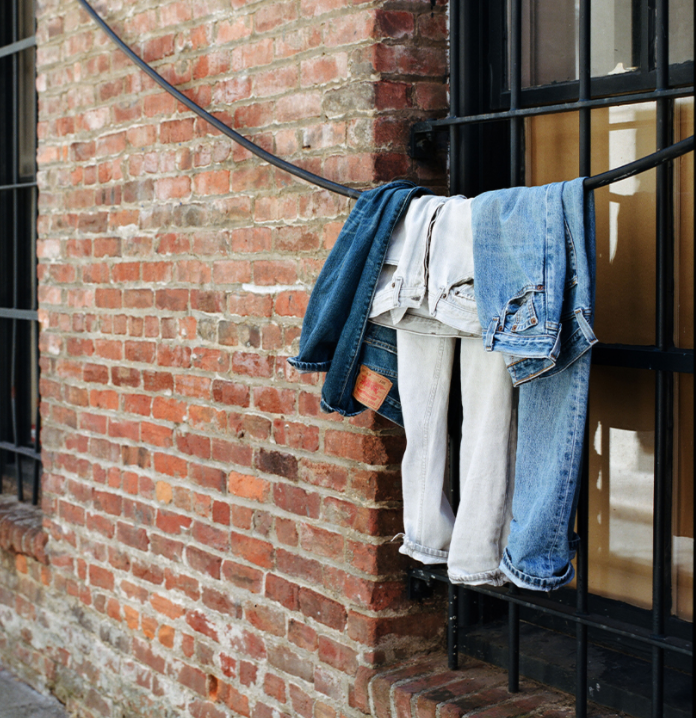
Another brand making big moves in the reselling industry is Levi’s. The brand recently announced “Levi’s SecondHand”, a marketplace and buy-back program for pre-loved Levi’s denim jeans & jackets. Not only is Levi’s selling these items at a hefty discount, but their new buy-back program also gives customers money for bringing in or mailing in their used denim: Customers will receive a $15-$25 credit for Levi’s denim in resellable condition, a $30-$35 credit for vintage Levi’s denim, and $5 for denim too worn to be resold — which Levi’s then responsibly recycles. This is just one of the many ways in which Levi’s is moving towards a more circular supply chain, by making sure that more garments remain in use instead of in landfills.

Making Waves

Creating a more circular supply chain is also the motivation behind Tommy Hilfiger’s “Tommy For Life”, a new business model that focuses on upcycling pre-worn Tommy Hilfiger items. Although “Tommy For Life” is still in its beginning stages, the brand has already announced that this initiative is based on a trade-in system (similar to Levi’s) where customers bring in their pre-loved TF apparel in exchange for store credit. Tommy Hilfiger is even taking this idea a step further, by selling their updated apparel in three different categories in order to reuse as many items as possible. The “reloved” category will include pre-owned items traded in by customers, while the “refreshed” category will include refurbished/repaired trade-ins & returns, as well as inventory deemed unsaleable or defective. The third category, “remixed”, will include pieces that are unable to be totally cleaned or repaired — so instead, Tommy Hilfiger will completely deconstruct these items to make totally new designs. 

As someone currently studying in fashion, I can say with confidence that this “trend” of transforming old into new isn’t going anywhere. Motivated by consumers like myself, who demand that the fashion industry take responsibility for its detrimental environmental impact, brands are finally making foundational changes to combat wastefulness.

Why Choose Used?

By reselling and repurposing used items, these brands (and more) are tackling the fashion industry’s waste crisis while also appealing to a wider range of consumers. Business Insider estimates that every second, the equivalent of one garbage truck full of clothes is burned or dumped in a landfill — In contrast, ThredUp estimates that if we all bought just one item used instead of new this year, it would eliminate almost 19,000 garbage trucks full of fashion waste! To me, this incredible comparison is motivation to continue shopping secondhand, because it shows that the resale industry has the potential to significantly counteract the extensive environmental damage caused by the fashion industry. This potential impact is why more consumers are choosing used over buying new; and research even predicts that by 2029, the secondhand market will grow to almost twice the size of fast fashion.

The fact is, people were already selling luxury items secondhand; but now that high-end brands are finally realizing the potential value of reselling —  for themselves and for their customers — more and more brands are getting on board. Not only does the secondhand strategy bring in more profits for brands, but it also allows them to gain more control over counterfeiting; and brands who participate in secondhand selling are seen as more sustainable/eco-friendly, which is important to the modern consumer.

Fashion for All

As a fashion student, I believe that the phenomenon of luxury brands emerging into reselling is more than just a response to the current climate of retail. To me, this marks a transformational shift in the fashion industry, and it is a huge step in the democratization of fashion: Making fashion more accessible to everyone. Fashion is something that every person on the planet takes part in, intentionally or not; we all wear clothing, and for many of us it is an important part of how we express ourselves. That being said, why should entire categories of fashion be inaccessible (financially or otherwise) to so many consumers? By selling luxury items secondhand, at discounted prices, more people are able to afford and enjoy them. It also provides an important avenue for consumers to support the brands they love in a more sustainable way, by purchasing items that already exist. 

There is a common misconception that in order to participate in fashion sustainably, we must only buy from “sustainable” brands; but many sustainable brands have high price points (sometimes even prices comparable to luxury brands), and misleading marketing makes it difficult to tell which brands are truly sustainable. Shopping secondhand is a much cheaper, more accessible, and overall more effective way for anyone to decrease their environmental impact — so we should all choose used, whenever we can! The potential impact of the resale industry is far-reaching, and it only continues to grow as more brands start prioritizing making use of the things we already have; and since luxury brands represent the top of the food chain in fashion, their adoption of resale represents the beginning of a more sustainable and less wasteful industry overall.

Filed Under: Make, Recent Tagged With: fashion

How To Give Back This Holiday Season

December 17, 2020 by Cassandra Townsend Leave a Comment

The holiday season has officially begun. In December, there’s a holiday for everyone; Christmas, Kwanzaa, and Hanukkah are just a few. Many involve gifts or giving back in some way, and lucky for us, there are many ways to give back to loved ones and support the world around us. 

Support Local 

One of the major ways to help this holiday season is to support your local shops and restaurants, especially in the midst of the COVID-19 pandemic. When thinking about what to give to loved ones, consider shopping local or small instead of from big chain stores. There are several ways you can do this while staying safe. 

white love print wooden signage

Shop local. Do as much shopping local as you can, from food, to gifts, to gift-wrapping, to decor. Local businesses are having a rough time right now with restrictions, and what better way help your neighbors than by supporting them for all your gift-giving needs? 

Buy gift cards. Not sure what your loved ones would like from local shops? Buy them a gift card to use later. This cuts down on the time you’re in stores, while also making sure you get just the right gift. 

Buy online. Buying online opens up the possibilities endlessly, especially with websites like Etsy that have small sellers across the globe. Etsy also offsets all the carbon released through their shipping by investing in projects that decrease carbon emissions. So, you’re helping small sellers, staying safe, and helping the environment. 

Get take-out. Support your local restaurants by getting take-out during the holidays. This time of year, there are a lot of busy days and early dark nights; cooking can mean a lot of effort we might not have. So, get take-out, and give back to your neighbors. 

Volunteer and Donate. 

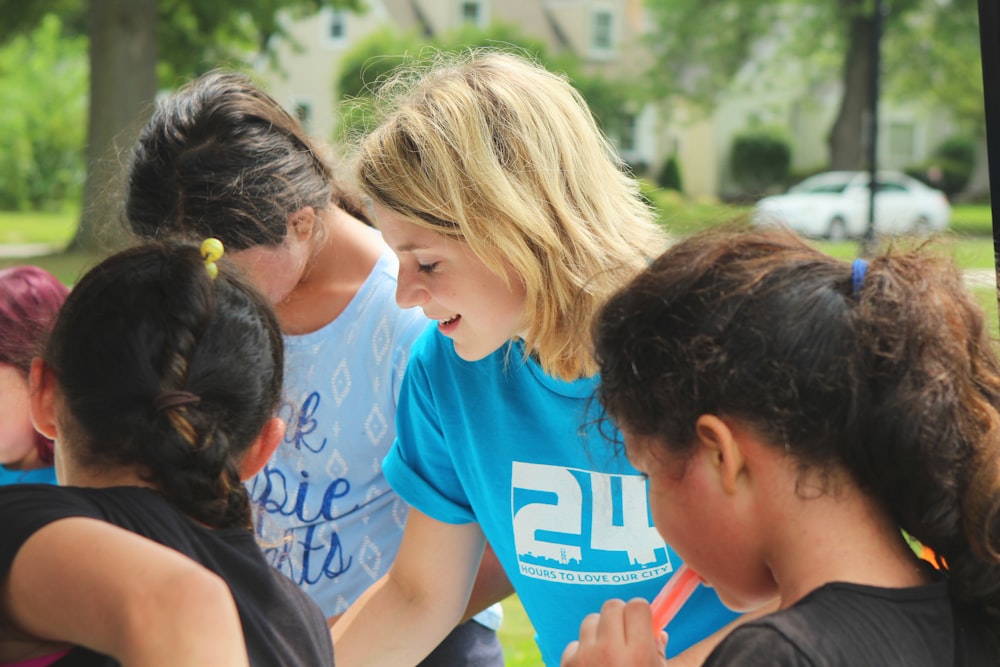
Volunteer, anywhere: the local soup-kitchen, a shelter, handing out food and necessities to those less fortunate, a forest cleanup. Everywhere has organizations that need help reaching people, you just need to look. Additionally, maybe a loved one has an environmental concern or organization near and dear to them that could use support. 

unknown person facing sideways outdoors

Here are some national ones that are probably around you, and if they’re not, you can always donate: 

Arbor Day Foundation plants trees around the U.S., in more than 3,000 communities. Tree City USA can help you see if they’re planting around you. 

Earth Guardians helps train the youth of the world about environmental issues and their solutions, with a focus on leadership skills to use in campaigning movements. They learn how to use art, music, and storytelling to create change. 

American RIvers is a nationwide organization organizing river cleanups. Their goal is simple: protection, restoration, and conservation of rivers around the country. It includes clean up, removal of dams, and reducing pollution. You can volunteer or donate here. 

VolunteerWorld is a great resource to find volunteering opportunities abroad; take a look and maybe you’ll find an experience that would be rewarding to you and a loved one. 

Shop Smart 

There are many online sellers who support the environment in various ways, whether it be through donating proceeds to creating environmentally friendly products. 

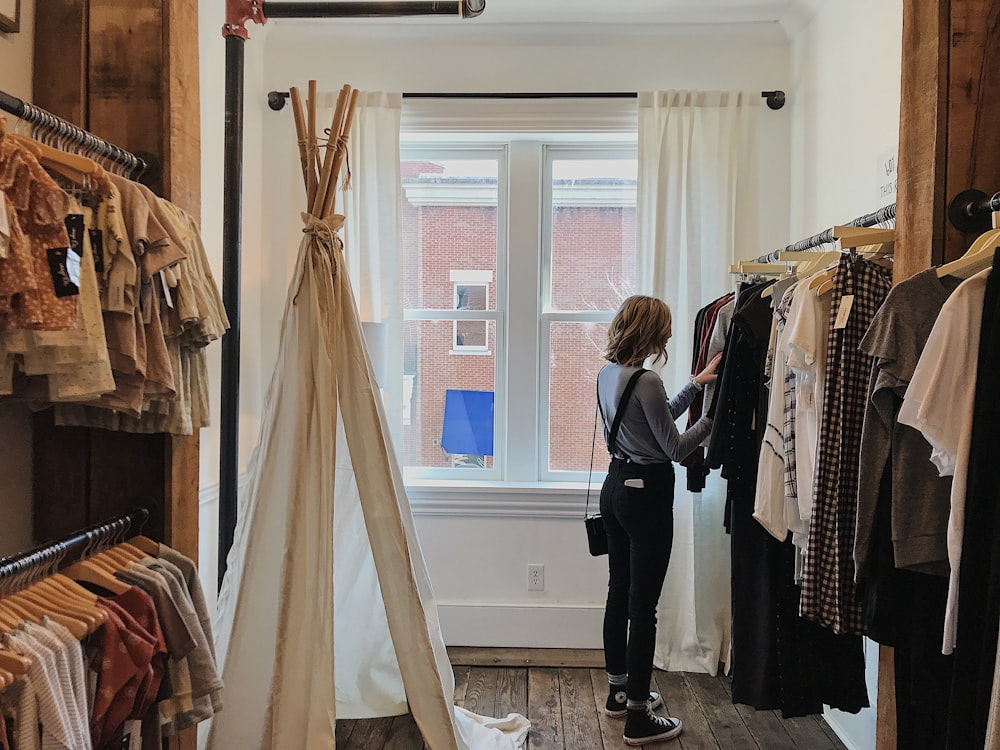
woman standing selecting clothes

Mermaid Straws sells reusable straws, as one would guess. Not only do they sell the straws though, they also educate on why single-use plastics are harmful, and promote beach cleanups around them. These straws would make a great stocking stuffer for anyone. 

EarthHero brings all eco-friendly things together into one shop for easy shopping. They have starter packs for zero-waste, decor, clothing, make-up, and even bluetooth speakers. They work with companies working to decrease their carbon footprint, redesigning production to be cleaner, and using eco-friendly materials. With a mission of making eco-friendly commerce normal and a great catalog, they’re a company we should be supporting. 

4Ocean is another great organization that can help you out with some cool stocking stuffers. Their Harp Seal beaded bracelet is made of recycled plastic and for each bracelet sold, the 4Oceans crew pulls a pound of plastic out of the ocean. Their organization also hosts beach clean ups, makes donations to ocean conservation efforts, and creates environmental lesson plans for educators across the country.

5Gyres sells and curates products that help you reduce your dependence on plastics and single-use items, including this zero waste kit. The 5 Gyres Institute is a leader in the movement against plastic pollution, conducting research expeditions, bringing together scientists, business leaders, and non-profit organizations alike to collaboratively create solutions against pollution. Making a purchase from their shop helps support their mission to end plastic pollution and promote scientific research around the issue.

At the end of the day, being mindful of where we shop is a necessity. During the holidays, especially this year, it’s even more important to support locals and support the environment. Every action helps, even shopping green. 

Filed Under: Live, Recent Tagged With: holidays

Shipping Sector Vector: How an increase in demand for international and domestic shipping is affecting our environment.

December 17, 2020 by Glenn Banish Leave a Comment

A lifetime ago, in March of 2020, the COVID-19 pandemic forced many of us indoors. Restaurants and retail stores were prohibited from welcoming in-person patrons, roads were eerily empty and, for some reason, there was a severe toilet paper shortage. This, combined with a lack of supervision for those of us working from home, was the recipe for a massive uptick in online shopping. Simply point, click, and poof! Days later, that waffle iron you never knew you needed arrives on your doorstep.

As the shipping sector rapidly expands, however, so does its already massive carbon footprint. According to the United States Environmental Protection Agency, delivery trucks and tractor-trailers accounted for approximately 20% of the country’s greenhouse gas emissions in 2018, consuming 38 billion gallons of fuel. This is almost twice the volume of greenhouse gas emissions reported in 1990, just thirty years ago. 

containers vans

Challenges and Changes on the Domestic Front

For many years, I worked for a domestic and international relocation agent just outside of New York City. I can say first-hand, the majority of the operators within this industry are small business owners who are reluctant to change and lack the funds to shift their shipping operations towards sustainable solutions such as electric trucks and vans. Although the U.S. Department of Energy offers tax credits and exemptions on purchases of such vehicles, it is simply not enough to entice a five to ten truck operation to change.

Many of the big players, however, such as UPS, FedEx, and Amazon have been investing heavily in zero-emissions commercial vehicles, with Walmart committing to transition to 100% zero-emission trucks by the year 2040. According to Ben Mandel of Calstart.org, a nonprofit organization aiming to accelerate clean transportation, zero-emission commercial vehicles in the United States and Canada are on track to rise nearly 78% by the end of 2020. 

This is a great step forward, but there is always a but, isn’t there? With so many American companies outsourcing their manufacturing operations, the journey your new waffle iron took just to get to its domestic distributor was far more damaging to the environment.

waffle with powdered sugar

Cruising the High Seas

In my former career, I saw thousands of overseas shipping containers pass through our Long Island warehouse every year. The most cost-effective way to ship personal effects and commercial goods overseas, a single cargo ship has the ability to carry thousands of 40-foot-long containers in one shot.

Unlike the science behind how these monstrosities are able to float, it’s easy to understand how these massive ships wreak havoc on the environment. According to the International Council on Clean Transportation, maritime shipping accounts for approximately 4% of the world’s greenhouse gas emissions and has steadily increased every year. 

Between 2012 and 2018 for example, the amount of methane emitted by these ships increased by a staggering 150%. 

While the International Maritime Organization has attempted to put environmental regulations in place, the ever-increasing demand for maritime shipping has effectively canceled out any or all potential progress. According to a press release from the IMO in August of 2020, the goal back in 2008 was to cut their greenhouse gas emissions in half by the year 2050. They are now estimated to double 2018’s numbers in that same period of time.

cargo vessel on body of water

Pollution Solutions:  Innovation Is on Its Way, But Why Wait?

Now, before you start crying into your waffles, there are solutions to mitigate the shipping sector’s strain on the environment. Companies such as Japan’s Nippon Yusen Kaisha, for example, are aiming to transform the cargo shipping industry by harnessing the power of the sun and wind. NYK’s Super Eco Ship is set to sail in the year 2030 and would cut carbon emissions by almost 70%, while their 100% carbon-free ship will be completed by 2050. As revolutionary as these ships may be, it leaves a lot of room for irreversible damage to be done to the environment over the next 20 to 30 years.

What if there was a more immediate fix that would not only help save the environment, but also ease America’s dependence on other countries, eliminate the multitude of human rights violations corporations are inflicting on third world nations, and create hundreds of thousands of desperately needed jobs?

With the United States importing more commodities than any other country by far, returning manufacturing domestic soil will have countless positive effects. According to H. Plecher of Statista.com, the United States spent 2.57 trillion dollars on importing goods in 2019, which is more than Japan, the United Kingdom, France, and India combined. 

Bringing manufacturing back to the United States will not only serve as a much needed boost to the economy, but allow us to be more successful in monitoring and regulating emissions and drastically reduce the need for maritime shipping.

Sure, this may increase the price of that waffle iron we both know you’re never going to use, but think of the countless benefits it could have on our country as well as our planet.

photo of outer space

It All Starts With You

The issues that face our planet can be overwhelming. Never forget that real change starts with you on the local level. 

Call or write your local representatives and encourage them to pass legislation that will limit greenhouse gas emissions and bring manufacturing home to the United States. Even the 

most hardened, do-nothing senator or congressman will have a hard time arguing this point. 

Purchase goods from companies who are committing to go carbon-neutral. If one of your favorite businesses isn’t doing their part, educate them on how they can do so. Remember, your local moving company or corner store most likely lacks the means to make significant improvements like Walmart and Amazon, but even the smallest of changes can make a difference. 

Lastly, be sure to follow Planet Home to discover more ways you can create change through your everyday actions.

Filed Under: Make, Recent Tagged With: carbon emissions

Your Pet and the Planet: How to Make Your Pet Planet-Friendly

December 17, 2020 by Sarah Parr Leave a Comment

Dogs, cats, birds, hamsters, lizards… there is a perfect pet for everyone, and adoption rates have skyrocketed during the COVID-19 pandemic. Pets are there for you when no one else is, they (probably) love you, and, in some cases, cuddling happens so often it can almost feel like a chore.

If you’re a new pet owner (or even if you’re not), there are lots of ways to ensure that you’re doing the best things possible for your furry friend and the planet. Incorporating sustainable pet food, toys, and essentials into both of your lives is easier, and more important, than you might think.

Studies show that pets’ diets have a huge environmental footprint, and many other products like toys and lifestyle essentials have different consequences in terms of waste. Alone, meat-based food consumed by American pets is responsible for 64 million tons of carbon dioxide each year. But, luckily, there are some sustainable solutions that can make us better pet owners and better stewards of the planet. 

Pet Food

Sustainable pet food brands like Wild Earth know the costs of animal products in dog food, so plant-based pet foods, treats, and supplements are now on the rise. Before you say, “But dogs need meat,” know that dogs are scavenging omnivores, and what they need is protein — not necessarily meat. With healthy, sustainably-sourced, and vet-developed recipes that feature high-quality, cruelty-free ingredients, Wild Earth’s products might just be the best option for your pet and the planet.

Pet owners who have tried the brand have even reported that the complete protein, superfood ingredients, and “zero meat-junk” gave their dogs more energy, fewer allergies, a shinier coat, and a healthier weight. Wild Earth also has a personalized food delivery program where you can choose the amount of food you get as well as the frequency of your deliveries. Not only is getting this brand super easy — it also helps you reduce food waste, and save both time and money.

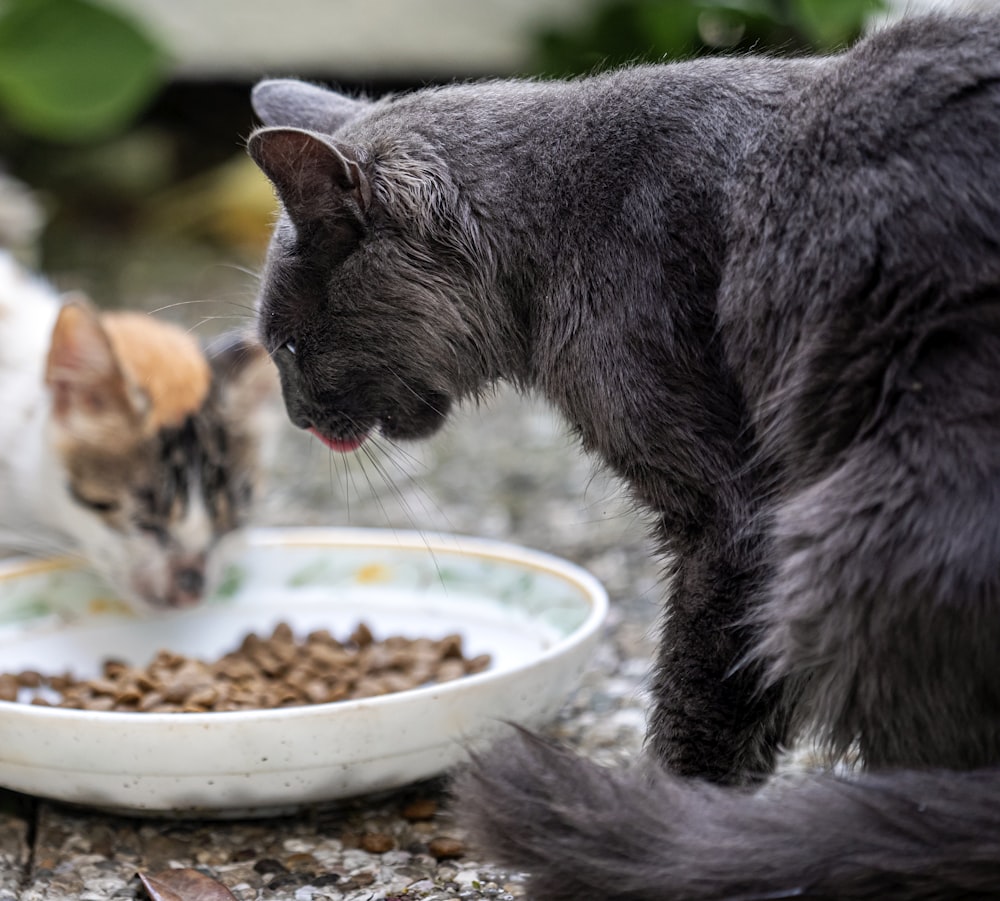
cats eat foods

Pet Toys

Plush playthings, ropes, and balls are often made of brand new materials and can still end up in landfills if they don’t sell. But sustainable pet toy brands such as Cycle Dog let planet-friendly playtime become a reality, and it doesn’t even have to hurt your wallet. Unlike traditional pet toys, those from Cycle Dog include recycled inner tube rubber that lasts long — if the lifespan of a toy warrants a repair, the company facilitates it at no extra cost. In addition to top-notch quality upcycled, hand-sewn toys, Cycle Dog has prioritized creating local jobs for over a decade, so your dog and you will feel good about these a-durable purchases.

black and white border collie running on green grass field during daytime

Pet Essentials 

Simple pet lifestyle products such as feeding dishes, apparel, and even toothpaste are available from sustainable pet product brands, too. Eco-friendly and dust-free small-pet bedding, organic CBD oils and treats, and leashes from companies that donate to animal charities are just a few of the mind-blowing products that can improve your pets’ lives while giving back to your home environment and the planet.

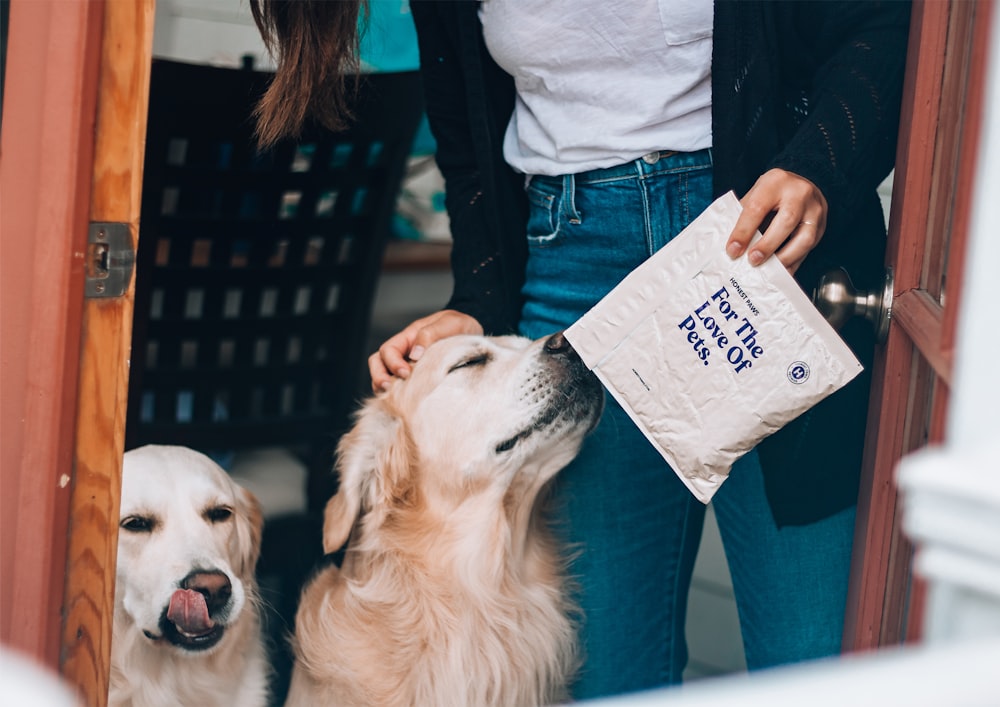
woman in black jacket holding white and blue plastic bag

Pet Waste

Finally, just because your pets’ carbon pawprints aren’t as “big” as footprints doesn’t mean that proper disposal of their waste can’t improve the environment. Pet poop piles up (literally), so it’s not able to biodegrade in landfills how it otherwise might naturally. Yes, you should always clean up after your pet, but there are greener ways to do it than by picking up poop with a plastic bag and then throwing that bag into another plastic bag. In addition to using recycled materials for other pet products, companies like beyondGREEN make and distribute compostable poop bags made of innovative technology rooted in vegetation that microorganisms can consume. Say goodbye to single-use plastics and say hello to environmentally-friendly materials. 

With these four cornerstones of sustainable pet products in mind, taking care of the environment while giving your pet the best nutrition, toys, essentials, and poop-pickup will be a breeze. Better health, fewer carbon emissions, and less waste? Spoiling your furry friend during the holiday season has never been so sustainable.

Filed Under: Live, Recent Tagged With: pets, plant-based, recycling, sustainability, vegan

  • « Go to Previous Page
  • Page 1
  • Interim pages omitted …
  • Page 40
  • Page 41
  • Page 42
  • Page 43
  • Page 44
  • Interim pages omitted …
  • Page 54
  • Go to Next Page »

Primary Sidebar

Recent Posts

  • PLANET HOME Announces $1 Million Tough Tech Prize at Inaugural Gala During Tough Tech Week
  • Planet Home and DataEnergy are solving the Green Computing Dilemma with Renewable AI Infrastructure
  • The Great AI Scale-Up: Balancing Compute Power with Planetary Boundaries
  • The Algorithm’s Bargain: Is AI Really for Good?
  • Code, Culture, and Creation: How AI is Remixing Entertainment’s DNA

Recent Comments

  • Liam Jacobs on Fricken’ Flying Taxis: The Future of Travel is Closer Than You Think
  • Izabella Bauer on The Pressing Plastic Problem
  • Broderick Ruiz on The Pressing Plastic Problem
  • Cherish Velez on The Pressing Plastic Problem
  • Anika Scott on The Pressing Plastic Problem

Archives

  • November 2025
  • April 2025
  • February 2025
  • January 2025
  • June 2022
  • April 2022
  • March 2022
  • February 2022
  • January 2022
  • December 2021
  • November 2021
  • October 2021
  • September 2021
  • August 2021
  • July 2021
  • June 2021
  • May 2021
  • April 2021
  • March 2021
  • February 2021
  • January 2021
  • December 2020
  • November 2020
  • October 2020
  • September 2020
  • August 2020
  • July 2020

Categories

  • AI
  • Community
  • Eat
  • energy
  • Featured
  • Live
  • Make
  • Move
  • Network
  • Press
  • Recent
  • Solutionist 100
  • Solutionists Making Moves
  • Solutions

Meta

  • Log in
  • Entries feed
  • Comments feed
  • WordPress.org

Design

With an emphasis on typography, white space, and mobile-optimized design, your website will look absolutely breathtaking.

Learn more about design.

TRENDING NOW

  • PLANET HOME Announces $1 Million Tough Tech Prize at Inaugural Gala During Tough Tech Week
  • Planet Home and DataEnergy are solving the Green Computing Dilemma with Renewable AI Infrastructure
  • The Great AI Scale-Up: Balancing Compute Power with Planetary Boundaries
  • The Algorithm’s Bargain: Is AI Really for Good?
  • Code, Culture, and Creation: How AI is Remixing Entertainment’s DNA

NEVER MISS A SOLUTION!

Sign up for our mailing list to stay up to date on planet saving solutions, news, and events from PLANET HOME!


BROWSE BY TAGS:

action carbon carbon emissions circular economy coronavirus eat education energy environment esg events fashion finance food green holidays industry lifestyle live make material science move music nature ocean oceans ocean stewardship planet plant-based plastic profile recycling s100 solutionist solutionists solutions sustainability tech technology tiktok transportation vegan waste water wildlife
Locations
Resources
Legal

Footer

Locations
Resources
Legal
  • Facebook
  • Instagram
  • LinkedIn
  • Pinterest
  • Twitter
  • YouTube
  • San Francisco
  • Los Angeles
  • New York
  • About PLANET HOME
  • Contact
  • Media
  • Employment
  • Terms of Use
  • Privacy Policy
  • Press

©2021 Planet Home. All rights reserved.
Use of and/or registration on any portion of this site constitutes acceptance of our User Agreement (updated 5/25/18) and Privacy Policy and Cookie Statement (updated 6/8/21) Your California Privacy Rights. The material on this site may not be reproduced, distributed, transmitted, cached or otherwise used except with the prior written permission of PH.

This website uses cookies to improve your experience. We'll assume you're ok with this, but you can opt-out if you wish. Cookie settingsACCEPT
Privacy & Cookies Policy

Privacy Overview

This website uses cookies to improve your experience while you navigate through the website. Out of these cookies, the cookies that are categorized as necessary are stored on your browser as they are essential for the working of basic functionalities of the website. We also use third-party cookies that help us analyze and understand how you use this website. These cookies will be stored in your browser only with your consent. You also have the option to opt-out of these cookies. But opting out of some of these cookies may have an effect on your browsing experience.
Necessary
Always Enabled
Necessary cookies are absolutely essential for the website to function properly. This category only includes cookies that ensures basic functionalities and security features of the website. These cookies do not store any personal information.
Non-necessary
Any cookies that may not be particularly necessary for the website to function and is used specifically to collect user personal data via analytics, ads, other embedded contents are termed as non-necessary cookies. It is mandatory to procure user consent prior to running these cookies on your website.
SAVE & ACCEPT