• Skip to primary navigation
  • Skip to main content
  • Skip to primary sidebar
  • Skip to footer
Planet Home

Planet Home

Culture Solutions

  • ECOSYSTEM
    • EAT
      • Food Security & Production
      • Land Stewardship
      • Ocean Stewardship
      • Health + Wellness
    • MAKE
      • Circular Economies
      • Green Manufacturing
      • Material Science
      • Regenerative Ecosystems
    • MOVE
      • Clean Transport
      • New Fuel Sources
      • Virtual Connections
      • Ecological Explorations
    • LIVE
      • Sustainable Communities
      • Biodiversity
      • Atmospheric Conditions
      • Renewable + Equitable Energy
  • VENTURE STUDIO
  • LABS
  • EVENTS
  • ARTICLES
    • Featured
    • Network
    • Press
  • Menu bars
  • COMPANY
  • VENTURE STUDIO
  • LABS
  • ABOUT
  • CONTACT
  • NETWORK
  • ECOSYSTEM
  • COMMUNITY
  • MEDIA
  • VIDEO
  • PHOTO
  • PRESS
  • Podcast
  • EVENTS
  • ALL
  • 2019 SUMMIT
  • 2017 SUMMIT
  • Terms of Use
  • Privacy Policy
  • Facebook
  • Instagram
  • LinkedIn
  • Pinterest
  • Twitter
  • YouTube

10 Instagrams That Will Change Your Life

10 Instagrams That Will Change Your Life

October 17, 2020 by Cassandra Townsend 139 Comments

We’re always looking for ways to live better. We can always make changes to our lifestyle to have a positive impact on ourselves, our communities, and the planet, too. But where to begin? Visit these Instagrammers for some short and sweet educational content to help you get started. 

Kathryn Kellogg

Kathryn Kellogg of going.zero.waste shares lots of tips on how to go zero-waste, all from her own experience. From easy swap-out products that are more sustainable and how being sustainable can save you money to education about environmental racism, waste, and clothing, she covers many topics. My personal favorite, Her Good News Friday posts, end every week on a positive note.

View this post on Instagram

A post shared by Kathryn Kellogg (@going.zero.waste) on Oct 8, 2020 at 9:29am PDT

Old World New

Old World New: Run by Addie Fisher, Old World New is full of ideas on how to make old things new again, from clothing to curtains found in thrift stores. She is constantly running fundraisers, making lists on sustainable products, and sharing little bite-size pieces of advice on how to use what we already have made. Her website shares even more information on how to be more green. 

View this post on Instagram

A post shared by Addie ♺ #SustainableLivingTips (@oldworldnew) on Sep 25, 2020 at 5:04pm PDT

Eco Warrior Princess

Eco Warrior Princess was founded in 2010 by Jennifer Nini and has grown to an entire team of like-minded individuals passionate about the world around us. On Instagram they share tips and tricks to recycling, food waste, up-and-coming sustainable companies mixed in with education. On their website, there’s an unlimited number of articles covering sustainability in food, clothing, business, and technology that we could all learn from. 

View this post on Instagram

A post shared by Media that matters. (@ecowarriorprincess) on Oct 5, 2020 at 5:09pm PDT

Aditi Mayer

Aditi Mayer is a photographer using her platforms to spread information on sustainability in fashion and activism. She spends time crafting photos and captions that trap your attention, forcing you to see the realities of the current state of the environment and how we can help. Educating followers on the decolonization (stopping labor and resource exploitation) is one of her strongest suits. She’s who you should go to if you want a bite of history, activism, and sustainability education all in one. 

View this post on Instagram

A post shared by ADITI MAYER (@aditimayer) on Oct 19, 2020 at 8:39am PDT

Zero Waste Guy

Zero Waste Guy is Jonathan Levy, a man with a plan to educate as many people as possible on how to decrease green waste. Sometimes he’s speaking on his own journey to zero waste, sometimes sharing how to make bread, and much of the time sharing little bits on how to use as little waste as possible. 

View this post on Instagram

A post shared by Jonathan Levy (@zerowasteguy) on Aug 22, 2020 at 2:56pm PDT

Wasteless.at

Wasteless.at is Agnes, a woman who realized zero-waste isn’t really possible for most people, and is dedicated to helping others create as little waste as possible. Her instagram is full of recipes for eco-friendly cosmetics and cleaning supplies, how to recycle correctly, and even how to mend clothing. She also runs an Etsy shop where she sells eco-friendly tools for the kitchen, such as sponges, produce bags, and toothbrushes to help you on your journey towards eco-friendly. 

View this post on Instagram

A post shared by Zero Waste Living – Agnes Mike (@wasteless.at) on Jul 6, 2020 at 1:51am PDT

Green Suitcase Travel

Green Suitcase Travel follows Misty Foster as she travels around the globe sustainably. On her Instagram she is sharing educational tidbits about how to travel more green, and what impact travel and tourism has on the environment. Her website features more in-depth information; her team can even help you plan a sustainable trip if you feel the travel bug itching.

View this post on Instagram

A post shared by Travel ✈️ Sustainability 🌿 (@greensuitcasetravel) on Jun 15, 2020 at 2:30pm PDT

Winona LaDuke

Winona LaDuke is an indigenous farmer using her voice to spread the word about climate change, the versatility of hemp, and the realities of farming. LaDuke shows how we can learn from indigenous people to help save our planet. This includes things like controlled burnings to prevent wildfires and planting native crops.

View this post on Instagram

A post shared by Winona LaDuke (@winonaladuke) on Oct 12, 2020 at 2:42pm PDT

Kamea Chayne

Kamea Chayne is a creator sharing her experiences with eco-living with the world one post and one podcast at a time. From regenerative earth stewardship, how to reuse coffee grounds, to the intersectionality between social justice and environmentalism, she offers insights into the complex ideas of sustainability today. Her podcast, Green Dreamer Podcast, discusses these ideas at length with experts in the field. Currently, she’s about to embark on mobile living and is developing her own newsletter, which can be found here. 

View this post on Instagram

A post shared by KAMEA CHAYNE (@kameachayne) on Oct 8, 2020 at 11:38am PDT

Anita Vandyke

Anita Vandyke is the brains behind rocket_science, and get this: she’s an actual rocket scientist. She’s on the road to becoming zero-waste and completely eco-friendly, and she’s not shy about what she’s learning. She’s a big advocate of the circular economy: using reusable items like jars, shopping second hand, and eco-friendly recipes/food ideas. She shares her finds, her mantras, and even some experiences on parenting sustainability. If you’re new to reducing waste, her posts are the perfect. They have clear dosage of ideas you need and if they’re not enough, you can check out her book A Zero Waste Life: in thirty days to get even more tips.
View this post on Instagram

A post shared by Anita Vandyke (@rocket_science) on Oct 7, 2020 at 11:42pm PDT

Filed Under: Live, Recent Tagged With: circular economy, instagram, virtual connections

Eco-Friendly TikTok Creators You Need to Follow

October 15, 2020 by Cassandra Townsend Leave a Comment

TikTok has taken the world by storm this year. The short-form video app can really suck you in! One minute you’re getting ready for bed, and the next you’ve scrolled from clip to clip long after you should be asleep.

You might be familiar with TikTok dances and other fun challenges, but there are tons of lifestyle creators who share tips and trips that make a positive impact on your life and the planet, too! Check out these creators to add some food-for-thought to your routine. 

Bottega Zero Waste

Bottega Zero Waste offers short videos on traveling zero waste, making zero-waste products like make up, and more sustainable products to use around the house. Marta even shows us how to use products we wouldn’t normally, like solid shampoo and conditioners. She offers classes through her website, and sells eco-friendly, zero-waste shampoos, conditioners, soaps, and accessories. 

@bottegazerowaste

Reusable cotton masks are a game changer #zerowaste #zerowasteliving #reusables #facemask #travelwithme #plasticfreejuly

♬ Just Me – Josie Man

Sabrina Sustainable Life

Sabrina at sabrina.sustainable.life shares the tricks up her sleeves to live more sustainable by whatever means you can. She shares how to deeply clean old jars, use sustainable products, and avoid items like toilet-wipes, mouthwash, and plastic wrap. Additionally, she is working to educate people on the environmental impact of plastic.

@sabrina.sustainable.life

It’s October 3rd 🎃 #vegan #halloween #spookyseason #halloween2020 #veganfood #vegancandy

♬ Spooky, Scary Skeletons – Andrew Gold

Brightly Eco

Brightly.Eco is a group of ambassadors focused on showing the whole truth behind companies around the globe. On TikTok they focus on showing people how to be more sustainable in a budget, showing ideas from stores like Dollar Tree and Target. They also show us how to upcycle clothing to jars and cool gardening hacks. Their website highlights sustainable brands in order to illustrate what true sustainable companies really look like. 

@brightly.eco

3 things that I refill for the planet. 🌎♥️ #ecofriendly #refillshop #zerowaste #zerowasteliving #ecofriendlyproducts #GimmeSomeTruth #sustainable

♬ Funny Thing – Thundercat

Chelsy Christina

Chelsy Chrstina is an eco-blogger who advocates for usage of eco-friendly, reusable, and natural products. Through her videos, she shows the products she uses (and which products she used to use), food she eats, and stores/restaurants she shops at. She shares good news from around the world about the environment.

@chelsychristina

also VOTE #earth #naturelover #natural #ecofriendly #ecofriendlyproducts #ecofriendlyliving #zerowaste #lowwaste #sustainablelifestyle #ecotok #ocean

♬ Heart Of Glass (Live from the iHeart Festival) – Miley Cyrus

Megan McSherry

If you want more to learn more theory-based information, Megan McSherry on acteevism is your go-to. She shares information on climate change, and why some things are less sustainable (such as fast-fashion) She also shares documentaries she enjoys, as well as her composting-in-an-apartment journey.

@acteevism

some things I ask myself before buying new clothes #consciousconsumer #sustainablefashion #sustainableliving #consciousfashion #consciousliving

♬ Aesthetic Girl – Yusei

Phil the Fixer

Phil the Fixer is all about following indigenous practices. He isn’t afraid to call out companies for being unsustainable, or tell you what you’re doing wrong (even if it’s with good intentions). One of his large topics he covers is full grass lawns, and how they should be used for gardens. If you like jokes, dogs, and short-deep dives into how some economic systems are bad for the environment, he’s your guy.

@philthefixer

Lawns are cancelled. #biodiversitytiktok #biodiversity #nativeplants #permaculture #growfood #savethebees

♬ rubbin off the paint YBN NAHMIR x SPONGEBOB – flighthouse

EcoTok

EcoTok is a group of creators sharing what they know best about sustainability in one feed. Some creators are education-based, sharing information about environmental racism, pollution, and basic climate science. Others are shared tutorials on how to make cosmetics, how to compost, and what to buy as swap-outs.

@ecotokcollective

It’s time to upgrade 🚗 #ad #JoinTheCountdown Creator: @sabrina.sustainable.life #TEDTalks #transportation #electric #future

♬ Join The Countdown – EcoTok Collective

Alexis Nikole

Alexis Nikole is a forager. She finds what she can in nature, and eats it. She uses the land in ways we don’t normally consider, and she shares her knowledge through recipes, comparing produce, and what “weeds” you can (and should) eat that will help the environment. Said “weeds” are usually invasive, and can harm the surrounding ecosystem. If you’re feeling adventurous, want to save money, and help out the world around you, check her out. 

@alexisnikole

Spooky season means spooky seaweed gathering! 👻🌊 #foraging #wildfood #learnwithme

♬ original sound – Alexis Nikole

Climate Diva

ClimateDiva is run by Summer, a self-proclaimed diva using her voice to spread light on the little things we can do to be more sustainable. She focuses on educating followers about climate change, companies adding the most pollution, and the U.S. government’s responses to climate change. She also focuses on how the indigenous, black, and people of color communities tend to be more sustainable than white communities.

@climatediva

#fashion #stylehacks #aritizia

♬ Black Mayo Jus Know bryansanon – Bryansanon

Filed Under: Live, Recent Tagged With: circular economy, tiktok, virtual connections

Virtual Learning: The Benefits and Tips for Success

October 14, 2020 by Cassandra Townsend Leave a Comment

The COVID-19 pandemic has impacted all of our lives in some way or another; for many of us, it’s been through the use of technology for work, meetings and school. I’m no different; I’m in my final semester of school before I graduate with my Bachelor’s, and I’m studying exclusively at home. Between the end of last semester being online and this semester so far, I’ve learned a fair bit about what works and doesn’t work with virtual learning, and had a lot of time to think about the good and bad of virtual life. 

We Pollute Less

Turns out, virtual learning can be good for the environment. I’ve noticed the little actions that have shifted in my day-to-day life regarding it, such as using less gas, using less paper, and using less ink. Thankfully, they aren’t for nought. 

Students who are learning virtually and don’t need to commute do use less gas. In conjunction with gas, their cars didn’t receive as much wear and tear, meaning they last longer. Longer living cars means less production of cars, which could result in less pollution from factories in the long run. 

Remote students also produce up to 90% less carbon emission. On average, a study found that a full time student could emit up to 180 pounds of CO2, while virtual students only emitted up to 4 pounds. And in the classroom? Classrooms create up to 220 pounds of CO2 versus the 10 pounds for a virtual student at home. 

If you’re remote and wish to do even more for the environment, be conscious about your small decisions. Turn the lights off when you leave the room, unplug anything you can, and take a break from screen time. 

We’re Saving on Natural Resources 

If enough people are learning virtually, we can also save natural resources through building reuse, or adaptive reuse. Adaptive reuse is when older buildings are renovated to save materials, time, energy, and history of an area. But this can also include new buildings, such as schools. According to Kathryn Merlino, new buildings use 41% of all primary energy use and 48% of emissions; this includes construction and operation. Renovating can decrease these costs and help the environment in the long run. 

Less paper is used, too, which helps the tree population, and uses less ink, which means less plastic ink cartridges in landfills. Working from home also helps decrease plastic waste around food: single-serve options or takeout containers aren’t needed as you have access to a kitchen, and if you want to contribute to a healthier environment, consider using less paper plates or plastic silverware at home. If you’re living with roommates, share meals to help decrease food waste.

Another tip: use a planner! While I’m a huge fan of a paper planner because I bullet journal, there are plenty of apps or websites you can use to keep your schedule in context. And hey, a planner is good for us students, and less paper good for the world around us. 

Feel Less Stress 

There’s also a more positive impact to the people, both students and the workforce. For me, there’s less stress over missing classes; part of that is because they are all recorded, but mostly it’s because I can still go to class while feeling not great. Let’s face it: sometimes you’re just not up to leaving the house. Virtual learning and work allows us to be productive without needing to leave the house. 

Virtual life can also help with stress. Studies have shown that over 30% of people have taken sick days to deal with stress and that 45% of Americans have no paid sick days;that percentage decreases the higher your income. So, those who can’t afford to miss a paycheck are often the ones who have no choice if ill. The normalization of virtual work in the industries possible could help alleviate some of this stress as workers could still earn their paycheck from home, which is good for employees and employers. 

Even though it’s less stressful, it can still be lonely. I’ve found that keeping in touch with friends and family through Zoom and other social media helps. Humans are social creatures by nature, and even the most introverted person needs some social time. It also helps to venture out of the house when and how you feel comfortable. You don’t even have to see people, but going on walks, hiking, or visiting the shops can help stave off the restlessness. 

It can also help to try new things! Not having to commute gives many people more time, and trying new things can make being home more interesting. Try a new recipe, a new art style, a new TV show, a new workout style. I started working out back in March and while I don’t like the action, I do like knowing I’m active. I’ve also found several recipes I love, and I’ve tried out some new planning styles in my bullet journal.

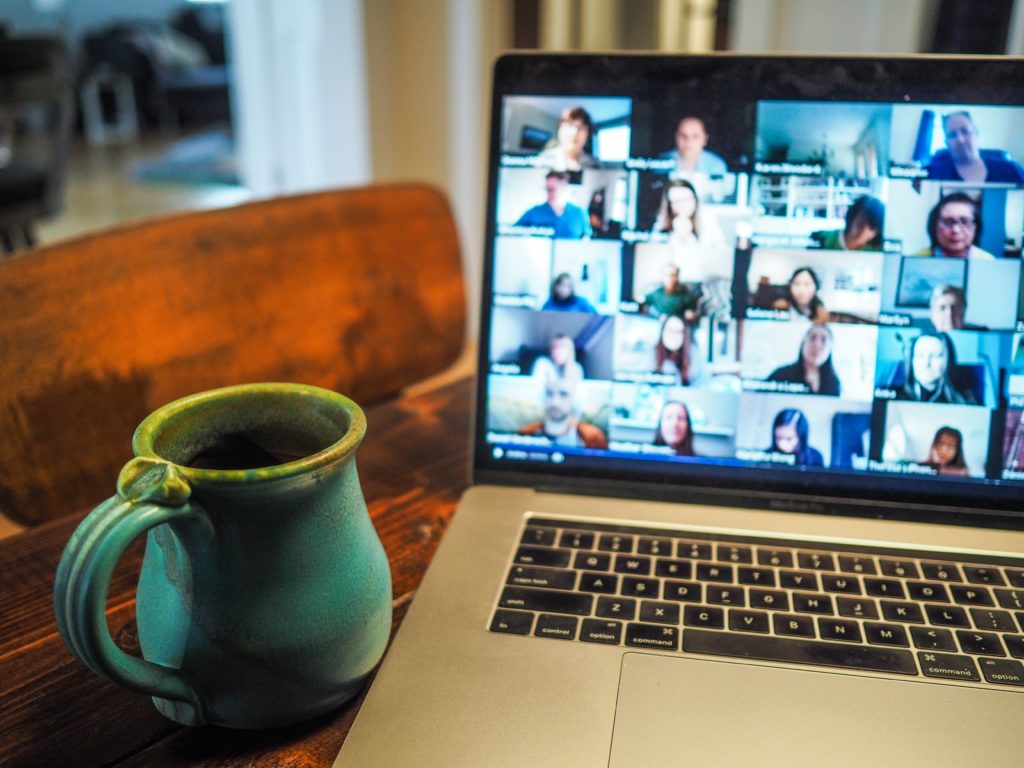
a class of students gathering virtually on zoom

Tips For Virtual Learning 

I started learning virtually in March, when my college moved everyone home for the rest of the semester. Now, in October, I’m still learning virtually, though now it’s a choice to keep my family safe. These things and the tips throughout this article have worked well for me.  

Create a routine for yourself.

Wake up around the same time, set yourself times for work, fun, food, etc. If that seems intimidating, start by setting goals for yourself, such as things you wish to get done throughout the day. It’ll help keep the days in order, as we all know they can get away from us. 

Change out of the clothes you slept in.

You can change into another pair of pajamas if you’d like, but I’ve found it helps separate “sleep time” versus the rest of the day, and gets me motivated to work. 

Don’t study in your bed.

It’s been shown to decrease productivity, limit focus, and hurt your sleep schedule. Hunching over your laptop in bed also can’t be good for your posture. Back pain? No thanks! If you can’t study in a separate room, set a space in your bedroom. 

Be active!

We have to stay moving even when we’re home all the time, to help us stay healthy. Go for walks, try yoga, try working out, anything that gets you moving. 

Practice Self-Care

Most importantly: pay close attention to your physical, mental, and emotional needs. Reach out to friends and family, move around, leave the house, and take breaks as needed. While virtual life can be a good thing, it can also be draining and turn into a bad thing very fast.  It’s all about finding the right balance between work and home for you, even if you’re working from home.

Filed Under: Move, Recent Tagged With: education, online learning, virtual connections

Why We Need Ocean Stewardship

October 14, 2020 by Bethany Perkins Leave a Comment

In our day to day lives, we come in contact with many things that require maintenance.  Think of road construction.  When there is construction on the road you take to work each morning, and it causes you to be late or have to leave your house early, it’s a bit of an inconvenience.   But, as soon as the construction is completed, you have a smoother road to drive on and feel satisfied with your new drive to work.  In recognizing that maintenance is inconvenient but critical, it leads me to ask the question: who is maintaining the health of our oceans?

A Sea of Challenges

We use our oceans for food, travel, and leisure activities 365 days of the year.  So we should do everything in our power to protect it, right? To do this, we need to know exactly what our oceans are up against.

Overfishing

 ⅓ of fish populations have collapsed since 1950.  When populations are fished to the point where they cannot repopulate to the same level in the next year, they are being overfished.  This is creating mass food security issues.  We cannot fight the food crisis using unsustainable fishing tactics.  This is short term thinking.  The oceans must flourish for the human race to continue to benefit.  

Plastic Pollution

Each year, an estimated 8 million tons of plastic end up in our oceans.  This plastic is not just large milk jugs, or single use plastic bottles, it is plastic too small to see with the naked human eye.  Plastic that settles to the bottom of the ocean.  Plastic that floats at the top.  Plastic marine life mistakes as food.  Plastic that you and I are eating after it has worked its way through the food chain.  Microplastics make up a majority of the plastic waste found in the ocean.  They are the most challenging to remove from the water because by definition they are less than 5 mm in size.  

Consumerism

Around 90% of trade between countries is done by ship.  This means that many online orders, made by people like you and me, are traveling back and forth on large shipping vessels more and more frequently to keep up with our consumerist lifestyles.  Not only are the shipping vessels releasing harmful chemicals into the water and air, but they are also disturbing the wildlife beneath them.  Noise and wave disturbances largely impact wildlife wellness.

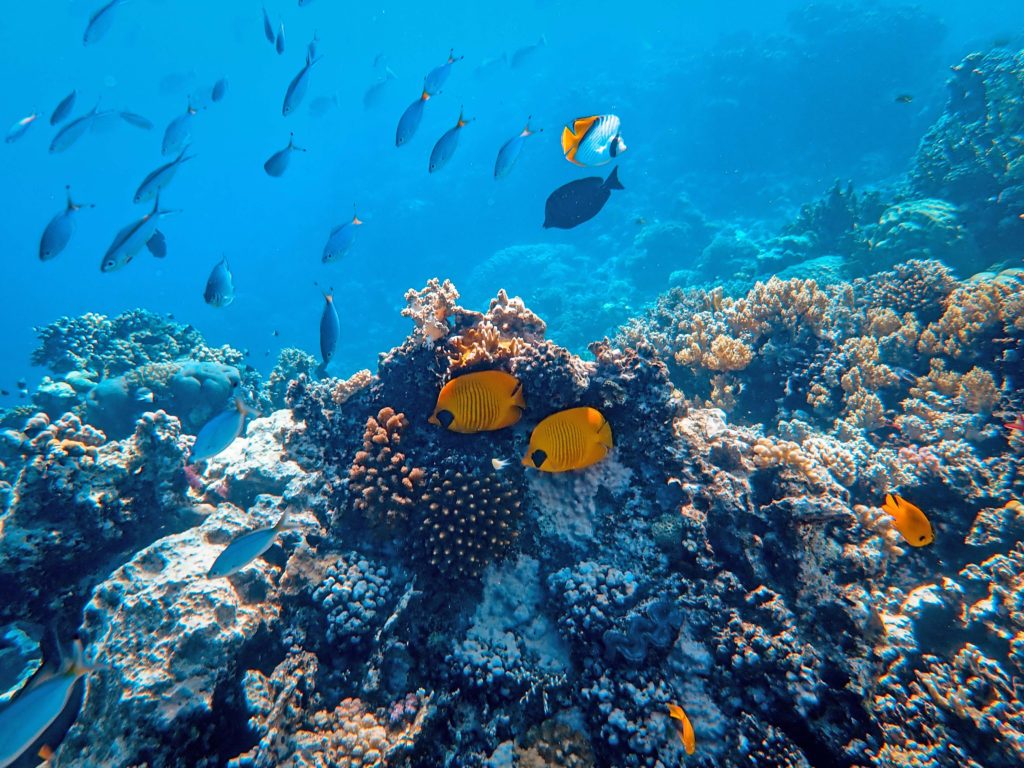
fish swimming in reef

Solutionists Making Waves

Despite the many challenges faced by our oceans, there are many organizations stepping up to the task.  

For example, companies like 5 Gyers have made it their mission to use science, education, and adventure to fight against the crisis of plastic pollution.  With the #beadfree pledge in 2016 they were able to divert 16 billion microbead from the ocean.  This movement resulted in the Microbeads-Free Water Act of 2015.

To address overfishing, the Global Fishing Watch is working to track large scale fishing to create transparency in developing laws and promoting sustainable fishing that can be managed.  They believe we will be able to manage fisheries to be much more sustainable with this technology.

There are also foundations actively working to support small scale projects.  The Save Our Seas Foundation supports projects that will make a true impact on threatened species and habitats.  

What about solutions for your everyday life? Well, cleaning products used by millions come in plastic bottles and are thrown into the trash.  So, Blueland has engineered a way to sell cleaning products in tablet form.  They send you reusable glass bottles and tablets, all you do is add water.  They are saving their consumers money and saving our oceans from more plastic waste.

Click here to learn about more ocean solutions and get involved!

waves crashing on the beach

What Can You Do to Help?

1. Use reusable shopping bags and water bottles.

There are even reusable produce bags that can be washed in your washing machine.  If you do not like the taste of your tap water or feel that it is unsafe to drink, invest in a water filter.  Many of these attach onto your sink or can fit easily into your fridge.  They will save you money in the long run, and help to limit the amount of plastic heading straight for the ocean.

2. Use sustainable cleaning and grooming products.

Many companies are entering the sustainable market.  You can find shampoo bars, toothpaste tablets, and eco-friendly cosmetics that contain no plastic packaging.  These products are often safer for your health and body as well.

3. Recycle! 

This is one of the most simple actions you can take to help combat waste going directly into landfills and the ocean.  When you use plastic, cardboard, metal, and glass, remember to put it in the recycling if you can.

4. Shop locally.

Not only will you be supporting your local businesses, but you will also help slow the demand for large shipping vessels to travel through our oceans each and every day.

Filed Under: Eat Tagged With: ocean stewardship, oceans

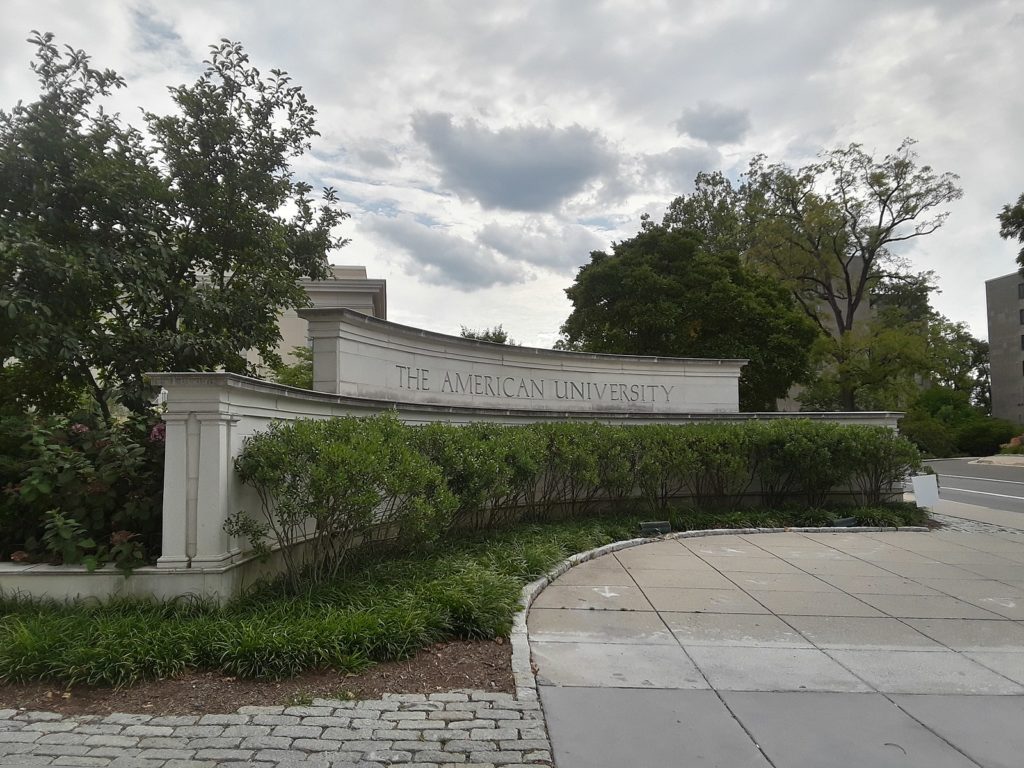
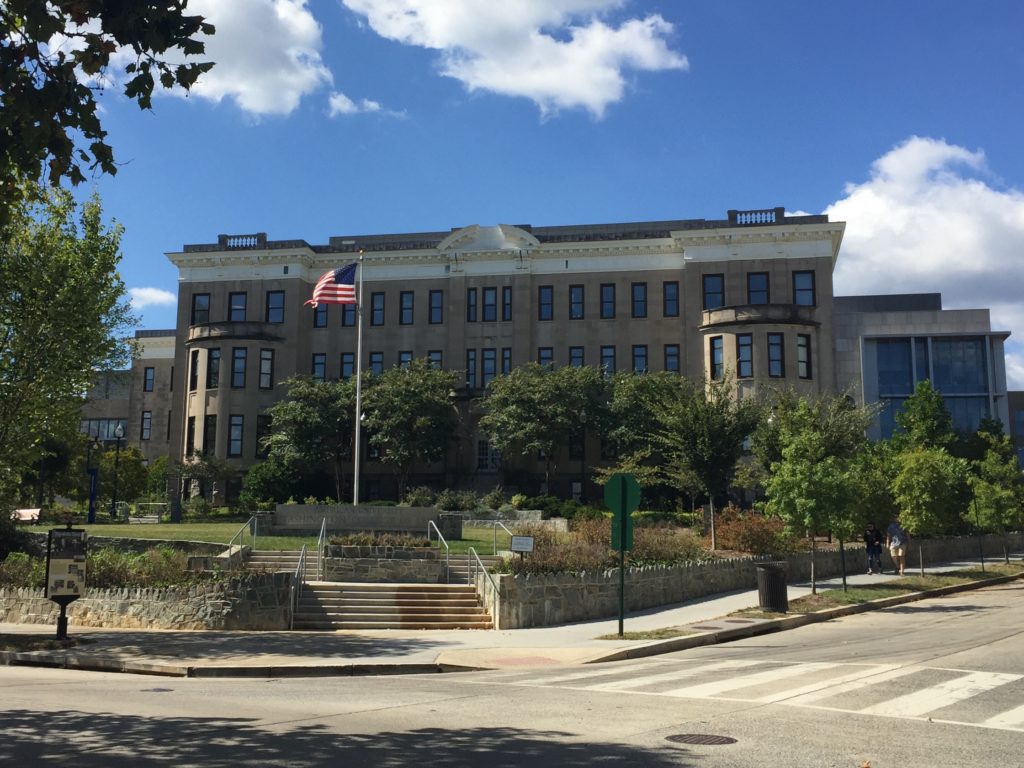
Getting Wasted: How College Students Recycle at American University

October 13, 2020 by Mackenzie Riley Leave a Comment

College campuses have historically been a breeding ground for waste, due to outdated recycling methods, investment in fossil fuels, and carbon intensive energy costs. American University has changed this narrative, becoming the first carbon neutral higher education institution in the United States and implementing the best college recycling program in the nation.  

Revolutionizing Campus Sustainability 

I am currently a sophomore at American and my campus’ green policies can be felt in student life. In its path to achieving carbon neutrality, American has invested in programs that allow students to be active participants in sustainability. The university cites three strategies for becoming carbon neutral: reduce or use, renewable energy, and offset the rest. This three-pronged approach holds students accountable, motivating us to become more responsible citizens on our campus, but also pushes campus leaders to invest in programs that make our campus what it is. 

Reduce or Use

The reduce or use plan is American’s most direct form of carbon neutrality. These programs begin from the ground up and truly engage the student body. In every dorm hall, restaurant, and building on campus there are compost, recycling, and landfill bins. These bins provide infographics on what can be placed in each and are the central aspect on the campus’ zero waste policy. We take these bins very seriously and it’s common for someone to turn around and ask, “Can I put this in here?” to make sure our waste is being disposed of correctly. 

American also provides many opportunities for students to be conscious consumers, with farmers markets once a week and sourcing our dining hall food from local farmers. These programs reduce the waste generated by dining, but more importantly remind us to be more aware of where we’re getting our food from. 

Still, there are opportunities for improvement in American’s reduce or use program. While recycling practices are available on campus, the school has not yet opted to phase-out single use plastics. The University of California has recently announced that it will end the use of single-use plastics at ten campuses and five medical centers by July of 2022. This more aggressive policy will have several environmental impacts and reduce risk of incorrect recycling and pollution. American University has not yet implemented such a policy, but its comprehensive recycling programs are a step in the right direction of zero waste. 

Renewable Energy

American University has made the switch to 100% renewable energy by implementing solar panels on its buildings, routing renewable energy from local plants, and purchasing renewable energy credits. Ten of the university’s buildings feature solar panels which heat water used in student’s dorm halls, on campus restaurants and generate electricity. The development of such energy saving techniques have allowed for the university to dramatically decrease greenhouse gas emissions and lower its annual electricity bill. Green infrastructure is a key component of more sustainable colleges and universities, American has truly led the way in that regard. 

Offset the Rest

American University uses a policy of offsetting whatever carbon emissions it cannot eliminate on campus by funding other sustainability initiatives. Due to limited technology it is not entirely possible for the university to operate without any carbon emissions, but the university can still claim carbon neutrality by purchasing carbon credits. Carbon credits are tradable permits that are given if an institution participates in programs that reduce carbon emissions equivalent to what they omitted. 

The university has acquired carbon credits through programs such as community tree planting programs across the District of Columbia. These programs are highly effective in motivating students to be active members of their communities and take accountability for the contribution to carbon emissions. One of the first activities available to freshmen is Explore DC,  where students can choose from several social issue areas and engage in one day of service in the district. One of the most popular areas of service is environmental sustainability, in which students participate in the acquisition of carbon credits, by planting trees and increasing green space in the city.   

American also has developed a program to offset its carbon footprint caused by study abroad programs. International travel is a major contributor to greenhouse gas emissions. With study abroad being a major part of American culture, the school has worked offset this. American has invested in the Paradigm Project, which provides more efficient wood-burning stoves to families in Kenya to better their community air quality and to reduce deforestation. Programs like this are important to the wellbeing of study abroad and motivate students like me to be an active participant. 

Campus Culture

American University has proven itself as a leader in sustainability on college campuses. Many students, like myself, were drawn to the school because of its commitment to a greener future. This has produced a campus of solutionists, motivated to better the community and the world at large. There have been several student-led protests against American’s previous investment in the fossil fuel industry, sparking a larger movement in the environmental community to hold universities accountable to their participation in the industry. In April 2020, after pressure from its students, American University finally made the commitment to eliminate all fossil fuel investment in its endowment. This was a major success for us and I am proud that my university listens to the voices of its community. 

American is also home to many student organizations that are fighting for sustainability such as AU Zero Waste club, community gardens, and my favorite, the Beekeeping Society. These organizations are very popular among students and truly make a difference in the school’s path to finding solutions to the climate crisis. 

American University is a role model for universities across the globe. I am proud to attend a university that shares my passion for finding solutions to a more sustainable future. American is not the only university capable of making this switch, by being an advocate for sustainability. Educating your peers on recycling, joining on-campus environmental groups, and being an advocate for a more sustainable campus culture can revolutionize your college’s environmental practices. Be part of the solution on your college campus. 

Filed Under: Live, Recent Tagged With: college life, recycling

How Deep Sea Mining Affects Marine Wildlife

October 13, 2020 by Bethany Perkins Leave a Comment

They say that when something is out of sight, it’s out of mind. Unfolded laundry is a great example. It’s easier to leave unfolded laundry in the dryer than in a visible pile on your bed. This is because it’s out of sight, so it’s out of mind. This is the same mindset we often have for challenges facing the planet. Deep-sea mining, for example, may feel like a faraway problem. However, the products that require minerals from deep-sea mining are things within your grasp, things we use everyday.

What is Deep Sea Mining?

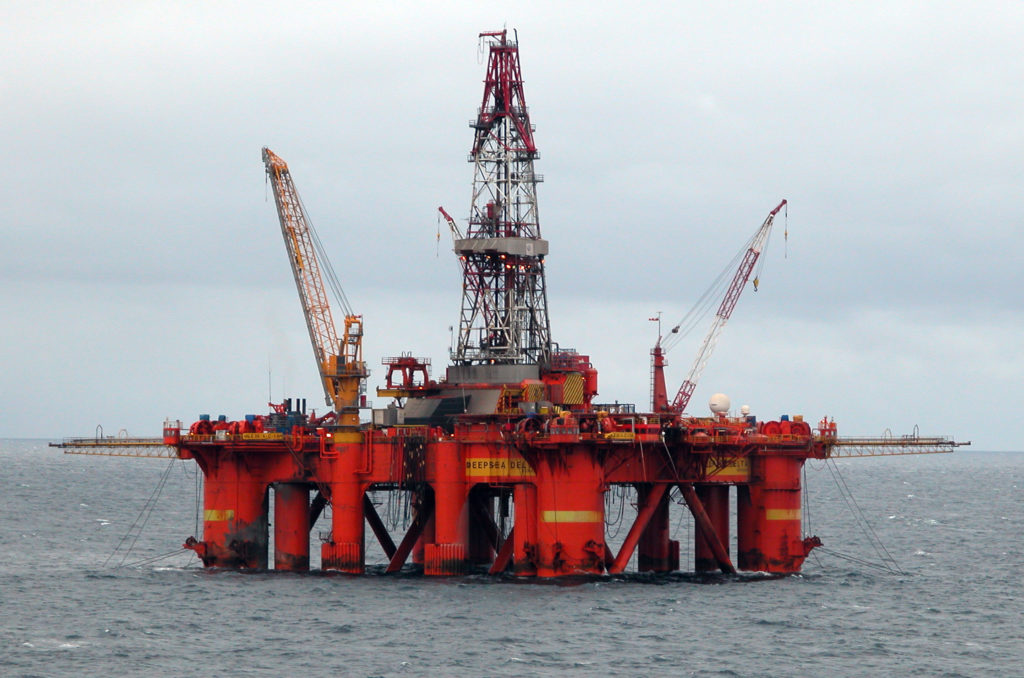
So how does deep-sea mining work? Hydraulic pumps mine at mineral deposit sites at the ocean’s floor, usually near hydrothermal vents. The minerals commonly sourced through deep sea mining include: cobalt, copper, nickel, and manganese.  These are all necessary for energy storage such as batteries.  Cell phones, cars, and laptops are 3 common items that require batteries. Without these four minerals, there is a need for an alternative way to power our devices.

Impacts of Deep-Sea Mining

Deep-sea mining is the practice of removing mineral deposits from the ocean floor for human use. The term deep sea means all parts of the ocean below 200 meters.  Naturally formed mineral deposits are ripe for the picking. All the work we need to do is in the extraction and purification.  Traditional mining on land has depleted its mineral levels. It has also led to the investment and over exploitation of our oceans to find more minerals.  

Understanding the effects of deep sea mining requires more research and time. The potential impacts are concerning enough to warrant more study. For example:

wave formation photo

Loss of Habitats

Deep-sea mining could endanger entire species that exist nowhere else on the planet.  The mining machines reaching the ocean floor can destroy entire habitats.  This directly impacts food chains and nutrient cycles that start in the depths of the ocean.  If one ocean species goes extinct, it can directly affect countless other species that rely on them.

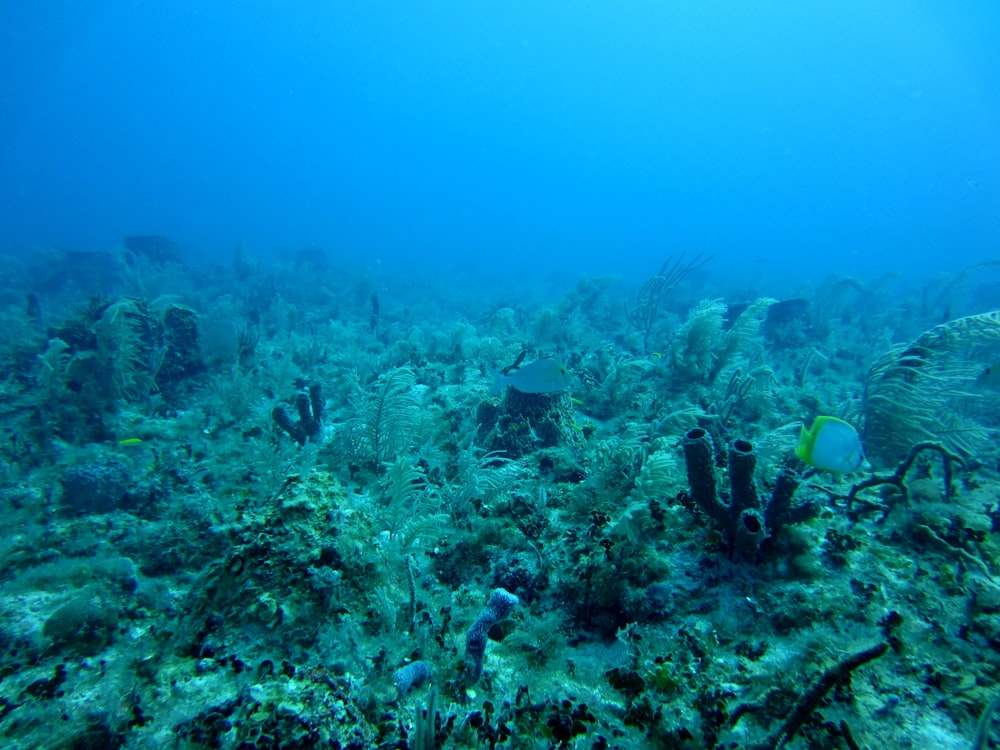
underwater photo

Sediment Storms

The water that is being pumped back into the ocean causes sediment plumes.  This means that sediment on the seafloor is disrupted and becomes suspended in the water. The sediment affects many organism’s vision, migration, and overall health. Picture this: you are standing on a dirt road and some cars do donuts around you.  All of the dust the cars cause is from the dirt on the road being pushed up into the air.  The dust would make it hard to breathe and see.  In air, sediment settles at a predictable rate, in the deep ocean: it does not.

Vibration Pollution

Marine animals do not communicate in the same ways we do, they rely on vibrations and hearing.  These vibrations help marine life find prey, predators, mates, and where they are going. Shipping vessels cause vibrations near the ocean’s surface, but deep sea mining affects the depths of the ocean. This can directly affect all marine life within the levels of the mining. The effects could be devastating, as it can disturb entire ecosystems.

What Should We Do About It?

1 us dollar bill

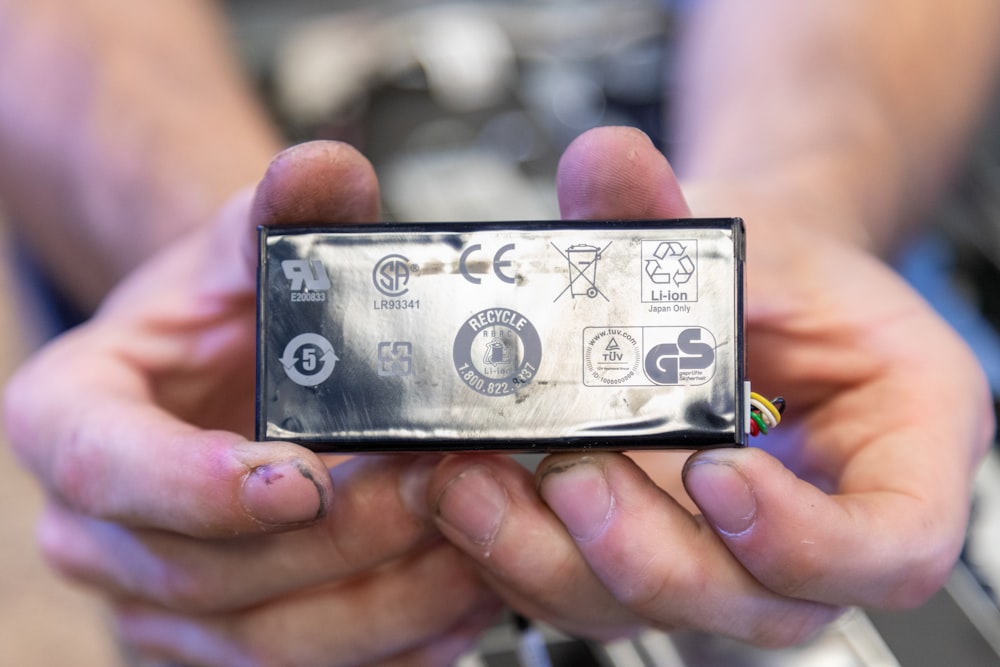
We can all work to limit our personal battery usage.  Every state has laws for disposal of batteries, but remember you can recycle your batteries no matter where you are. Making the switch to rechargeable batteries is another great alternative.  Companies like Panasonic have developed a number of rechargeable batteries that are long-lasting and recyclable.

We can also follow the path of Jeremy McKane, an artist and CEO of OCN.ai, focused on ocean conservation.  His mission at OCN.ai is to educate and conserve the worlds oceans.  He is calling for a 10 year moratorium to do research on the effects of deep sea mining. To make this possible, more people and organizations need to work together to advocate for the moratorium. As McKane puts it, “Something isn’t noise anymore if everyone is saying it.” He reminds us that we vote not only in elections, but with our wallets.  Our shopping habits directly impact the products and practices of businesses and corporations that turn to deep-sea mining.

As a society we also have a tendency to buy the newest phones as soon as they hit the market.  Our habit of doing this supports companies in continuing to release new phones, thus creating a market for batteries.  We should work to use our phones until they no longer work, and remember to properly recycle them.   Let’s start making sustainability trend!

Filed Under: Live, Move, Recent Tagged With: biodiversity, ocean stewardship

  • « Go to Previous Page
  • Page 1
  • Interim pages omitted …
  • Page 46
  • Page 47
  • Page 48
  • Page 49
  • Page 50
  • Interim pages omitted …
  • Page 54
  • Go to Next Page »

Primary Sidebar

Recent Posts

  • PLANET HOME Announces $1 Million Tough Tech Prize at Inaugural Gala During Tough Tech Week
  • Planet Home and DataEnergy are solving the Green Computing Dilemma with Renewable AI Infrastructure
  • The Great AI Scale-Up: Balancing Compute Power with Planetary Boundaries
  • The Algorithm’s Bargain: Is AI Really for Good?
  • Code, Culture, and Creation: How AI is Remixing Entertainment’s DNA

Recent Comments

  • Liam Jacobs on Fricken’ Flying Taxis: The Future of Travel is Closer Than You Think
  • Izabella Bauer on The Pressing Plastic Problem
  • Broderick Ruiz on The Pressing Plastic Problem
  • Cherish Velez on The Pressing Plastic Problem
  • Anika Scott on The Pressing Plastic Problem

Archives

  • November 2025
  • April 2025
  • February 2025
  • January 2025
  • June 2022
  • April 2022
  • March 2022
  • February 2022
  • January 2022
  • December 2021
  • November 2021
  • October 2021
  • September 2021
  • August 2021
  • July 2021
  • June 2021
  • May 2021
  • April 2021
  • March 2021
  • February 2021
  • January 2021
  • December 2020
  • November 2020
  • October 2020
  • September 2020
  • August 2020
  • July 2020

Categories

  • AI
  • Community
  • Eat
  • energy
  • Featured
  • Live
  • Make
  • Move
  • Network
  • Press
  • Recent
  • Solutionist 100
  • Solutionists Making Moves
  • Solutions

Meta

  • Log in
  • Entries feed
  • Comments feed
  • WordPress.org

Design

With an emphasis on typography, white space, and mobile-optimized design, your website will look absolutely breathtaking.

Learn more about design.

TRENDING NOW

  • PLANET HOME Announces $1 Million Tough Tech Prize at Inaugural Gala During Tough Tech Week
  • Planet Home and DataEnergy are solving the Green Computing Dilemma with Renewable AI Infrastructure
  • The Great AI Scale-Up: Balancing Compute Power with Planetary Boundaries
  • The Algorithm’s Bargain: Is AI Really for Good?
  • Code, Culture, and Creation: How AI is Remixing Entertainment’s DNA

NEVER MISS A SOLUTION!

Sign up for our mailing list to stay up to date on planet saving solutions, news, and events from PLANET HOME!


BROWSE BY TAGS:

action carbon carbon emissions circular economy coronavirus eat education energy environment esg events fashion finance food green holidays industry lifestyle live make material science move music nature ocean oceans ocean stewardship planet plant-based plastic profile recycling s100 solutionist solutionists solutions sustainability tech technology tiktok transportation vegan waste water wildlife
Locations
Resources
Legal

Footer

Locations
Resources
Legal
  • Facebook
  • Instagram
  • LinkedIn
  • Pinterest
  • Twitter
  • YouTube
  • San Francisco
  • Los Angeles
  • New York
  • About PLANET HOME
  • Contact
  • Media
  • Employment
  • Terms of Use
  • Privacy Policy
  • Press

©2021 Planet Home. All rights reserved.
Use of and/or registration on any portion of this site constitutes acceptance of our User Agreement (updated 5/25/18) and Privacy Policy and Cookie Statement (updated 6/8/21) Your California Privacy Rights. The material on this site may not be reproduced, distributed, transmitted, cached or otherwise used except with the prior written permission of PH.

This website uses cookies to improve your experience. We'll assume you're ok with this, but you can opt-out if you wish. Cookie settingsACCEPT
Privacy & Cookies Policy

Privacy Overview

This website uses cookies to improve your experience while you navigate through the website. Out of these cookies, the cookies that are categorized as necessary are stored on your browser as they are essential for the working of basic functionalities of the website. We also use third-party cookies that help us analyze and understand how you use this website. These cookies will be stored in your browser only with your consent. You also have the option to opt-out of these cookies. But opting out of some of these cookies may have an effect on your browsing experience.
Necessary
Always Enabled
Necessary cookies are absolutely essential for the website to function properly. This category only includes cookies that ensures basic functionalities and security features of the website. These cookies do not store any personal information.
Non-necessary
Any cookies that may not be particularly necessary for the website to function and is used specifically to collect user personal data via analytics, ads, other embedded contents are termed as non-necessary cookies. It is mandatory to procure user consent prior to running these cookies on your website.
SAVE & ACCEPT