• Skip to primary navigation
  • Skip to main content
  • Skip to primary sidebar
  • Skip to footer
Planet Home

Planet Home

Culture Solutions

  • ECOSYSTEM
    • EAT
      • Food Security & Production
      • Land Stewardship
      • Ocean Stewardship
      • Health + Wellness
    • MAKE
      • Circular Economies
      • Green Manufacturing
      • Material Science
      • Regenerative Ecosystems
    • MOVE
      • Clean Transport
      • New Fuel Sources
      • Virtual Connections
      • Ecological Explorations
    • LIVE
      • Sustainable Communities
      • Biodiversity
      • Atmospheric Conditions
      • Renewable + Equitable Energy
  • VENTURE STUDIO
  • LABS
  • EVENTS
  • ARTICLES
    • Featured
    • Network
    • Press
  • Menu bars
  • COMPANY
  • VENTURE STUDIO
  • LABS
  • ABOUT
  • CONTACT
  • NETWORK
  • ECOSYSTEM
  • COMMUNITY
  • MEDIA
  • VIDEO
  • PHOTO
  • PRESS
  • Podcast
  • EVENTS
  • ALL
  • 2019 SUMMIT
  • 2017 SUMMIT
  • Terms of Use
  • Privacy Policy
  • Facebook
  • Instagram
  • LinkedIn
  • Pinterest
  • Twitter
  • YouTube

Healthy Thanksgiving Recipes: Vegetarian, Vegan, and Gluten-Free Options

Healthy Thanksgiving Recipes: Vegetarian, Vegan, and Gluten-Free Options

November 23, 2020 by Antony Randall Leave a Comment

Thanksgiving is a time for giving thanks, laughing with family, and eating good food. This is a set of some of my favorite gluten-free and vegetarian (and a great deal of vegan) recipes taking advantage of the best fall foods to get you into the holiday spirit.

Spaghetti Squash Side Dish

Ingredients:

  • Olive oil
  • 1 spaghetti squash
  • Salt
  • Pepper
  • Additional spices if so desired

Preheat the oven to 375 degrees Fahrenheit.

Cut the spaghetti squash down the middle.

Scoop out the seeds in the middle of the squash.

Poke holes in the outside of the swash with a fork.

Place the squash on a lined baking sheet with the outside skin facing upward.

Bake for 30-40 minutes.

Remove the baked squash from the oven. 

Flip the squash so the inside is facing upward.

When the squash has lost enough heat that it can be safely touched, use a fork to scrape out the inside of the squash into strands.

Move the strands into a bowl.

Sprinkle with salt, pepper, and additional spices (garlic powder, red pepper flakes, etc.) as desired. 

Fresh Tomato Sauce

Ingredients:

  • Olive oil
  • 6 tomatoes
  • 2 carrots
  • 1 onion
  • 1 red pepper
  • A garlic clove

Core the tomatoes and make an X mark on the bottom of all of them with a knife.

Blanch the 6 tomatoes (boil water in a pot and put the tomatoes in for 45 seconds and then rinse them in ice water).

Peel the tomatoes.

Chop the tomatoes into tiny pieces.

If you have a food processor, chopping the tomatoes in the food processor will make it easier to cook your sauce.

Simmer the tomatoes over medium heat for 30 minutes or more depending on the consistency you want for your sauce. 

Add in a couple pinches of salt.

Chop the onion into small pieces.

Chop a garlic clove.

Chop the carrots into small pieces.

Chop the pepper into small pieces.

In a separate pan form the sauce, sautee the onions and garlic with a dash of olive oil for a couple minutes.

Add in the carrots and pepper and stir for another couple minutes.

Add this sauteed mixture into the sauce and stir until fully combined. 

Bringing the spaghetti squash and sauce together to make it just like a pasta dish:

To make this sauce into a main dish or stew, combine it with the following black beans preparation from dry beans (to save the waste of a can!) after the sauce has been cooked. 

Protein Addition:

Ingredients:

  • Water
  • Dry Black Beans
  • Bay leaves

Instructions:

The day before you want to eat this recipe (in this case, likely Thanksgiving), place the dry black beans you want to cook in a bowl covered by about 4 inches of water. 

Cover the bowl and let the beans soak overnight. 

Drain them the next day before you plan to cook and rinse them.

Place them in a large pot covered again by about 4 inches of water and add a few bay leaves. 

Bring the water in your pot to a boil.

Bring the heat down and let it simmer (the pot should be covered) for about an hour. Add more water while they are cooking if you need it to keep the beans covered with water.

Check the beans at about 50 minutes and continue cooking them until they are as tender as you would like them to be.

Drain the rest of the liquid from the beans and either combine with the sauce recipe above to get a protein-filled tomato sauce or season with more herbs and spice to enjoy by themselves. 

Cheese and Nut Loaf

Source: The Greens Cookbook

Ingredients:

  • 1.5 cups cooked brown rice
  • 1.5 cups walnuts
  • ½ cup of cashews
  • 1 medium yellow onion, finely chopped
  • 2 tablespoons of butter (or margarine)
  • Salt
  • 2 cloves of garlic, finely chopped
  • ½ cup mushrooms, wiped clean and chopped
  • ½ to 1 ounce dried shiitake or porcini mushrooms, soaked for 20 minutes in hot water and chopped
  • 2 tablespoons parsley, chopped
  • 2 teaspoons of thyme leaves, chopped, or ½ teaspoon dried thyme
  • 1 tablespoon marjoram, chopped, or 1 teaspoon dried marjoram
  • 1 teaspoon sage, chopped, or ½ teaspoon dried sage
  • 4 eggs, beaten
  • 1 cup cottage cheese
  • 9 to 12 ounces cheese, grated (use a variety of cheese, depending on what you have on hand and which tastes go well together, i.e. Gruyere, cheddars, muenster, Fontina, jack)
  • Pepper

Instructions:

Preheat oven to 350 degrees Fahrenheit.

Begin by cooking the rice, unless you already have some cooked. 

Roast the nuts in the oven for 5 to 7 minutes, then chop them finely.

Cook the onion in the butter (or margarine) over medium heat until it is translucent; then season with salt.

Add the garlic, chopped mushrooms, dried mushrooms, and herbs.

Cook until the liquid released by the mushrooms has been reduced. 

Combine this mixture with the rice, nuts, eggs, cottage cheese, and grated cheese.

Season to taste with freshly ground black pepper and additional salt, if needed.

Lightly grease a loaf pan.

Line it with greased wax or parchment paper.

Fill the pan with the mixture and bake the loaf at 375 degrees Fahrenheit until the top is golden and rounded – about 1-1.25 hours. The loaf should be firm when you give the pan a shake.

Let the loaf sit for 10 minutes before turning it out onto a serving plate; then take off the paper.

Asian Brussels Sprouts
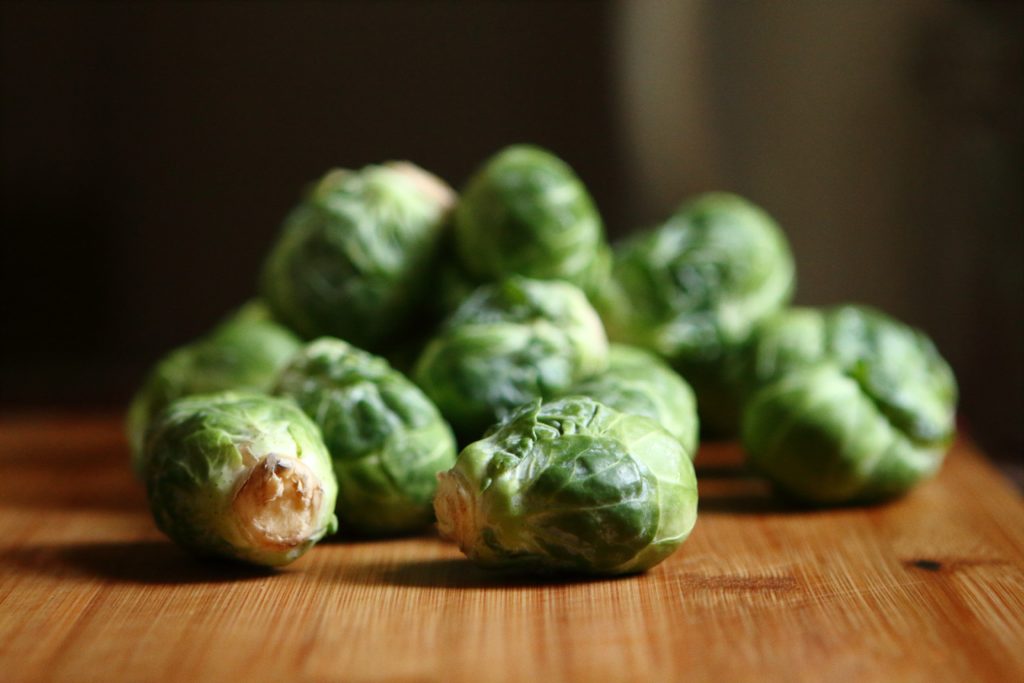
brussel sprouts

Ingredients:

  • 1 pound of fresh brussels sprouts
  • 2 tablespoons of gluten-free soy sauce (tamari)
  • 2 garlic cloves
  • 2 tablespoons of olive oil
  • 1 teaspoon of brown sugar

Instructions:

Heat the oil in a large pan on medium heat.

Sautee the garlic in the pan.

Add in the brussels sprouts, and sautee until they look caramelized.

Add in the soy sauce and brown sugar and stir until they are thoroughly combined with the sauteed Brussel sprouts and your sauce is warm. The Brussel sprouts should look a dark golden-dark brown now.

Apple Pie

apple pie

Ingredients: 

Crust Ingredients:

  • 1 and ¼ cups all-purpose flour (gluten-free all-purpose flour or oat flour work well)
  • ½ cup applesauce (you can add a bit more as is necessary if your flour is more absorbent and does not stick as a dough)
  • 2.5 tablespoons of white sugar
  • ½ teaspoon of salt
  • ½ teaspoon xanthan gum (if you have it available)

Filling Ingredients:

  • 6 apples 
  • ½ cup brown sugar
  • ¼ cup white sugar
  • 1 tablespoon of cornstarch (can omit if you do not have it available)
  • 1 tablespoon lemon juice
  • 1 teaspoon of cinnamon
  • ½ teaspoon of nutmeg

Instructions:

Preheat the oven to 375 degrees Fahrenheit.

Mix all the crust ingredients together in a bowl.

Line your standard pie dish with the crust.

Bake for 10 minutes. 

Let the crust cool.

Preheat oven to 375 degrees Fahrenheit.

Peel the apples and slice them thinly. 

Mix with all the other filling ingredients in a large bowl.

Pour filling into pie crust evenly.

Bake for 50 minutes and remove to see if apples are tender enough for your liking. 

If the apples are not as tender as you would like them, bake for additional increments of 15 minutes until they are your desired tenderness. 

Here’s a picture of two of the mini apple pies I made using this recipe with a little caramel sauce added on top:

Hopefully, these recipes have inspired you to use the great produce grown in fall to have a healthy, plant-based Thanksgiving.
Filed Under: Recent

Plastic Alternatives: A Growing Market

November 18, 2020 by Cassandra Townsend Leave a Comment

Plastic. It’s everywhere around us. In our homes, cars, the environment, the ocean. It’s harmful to wildlife, isn’t biodegradable, and releases toxins into the air when burned. We can all do our part to decrease future plastic use. It can be as small as not using plastic straws, using reusable bags when shopping, and avoiding plastic packaging. Additionally, it can be as large as the innovations by an industry who dedicate themselves to developing plastic alternatives.

Here are a few companies leading the way:

Newlight Technologies AirCarbon 

Newlight Technologies is a California-based company that has created a plastic alternative called AirCarbon. They use microorganisms from the ocean to turn methane and carbon dioxide into a polymer. These polymers work just like plastic, but break down naturally. It’s a carbon-negative product, meaning that during production they use more carbon than the product puts out when it breaks down. 

There are two companies selling the product. Restore in the form of cutlery, and Covalent in the form of accessories. However, the plan is to grow from there. AirCarbon hopes to replace plastics around the world.

Biolive 

Biolive is a Turkish company creating plastics from olive seeds, and it’s helping solve not only the plastic problem, but waste coming from olive oil extraction. Their plastic is 100% biodegradable, antibacterial, edible, and more cost-effective than traditional plastics. So far, they’ve worked with Chobani, Porsche, Ford, and Mercedes-Benz.

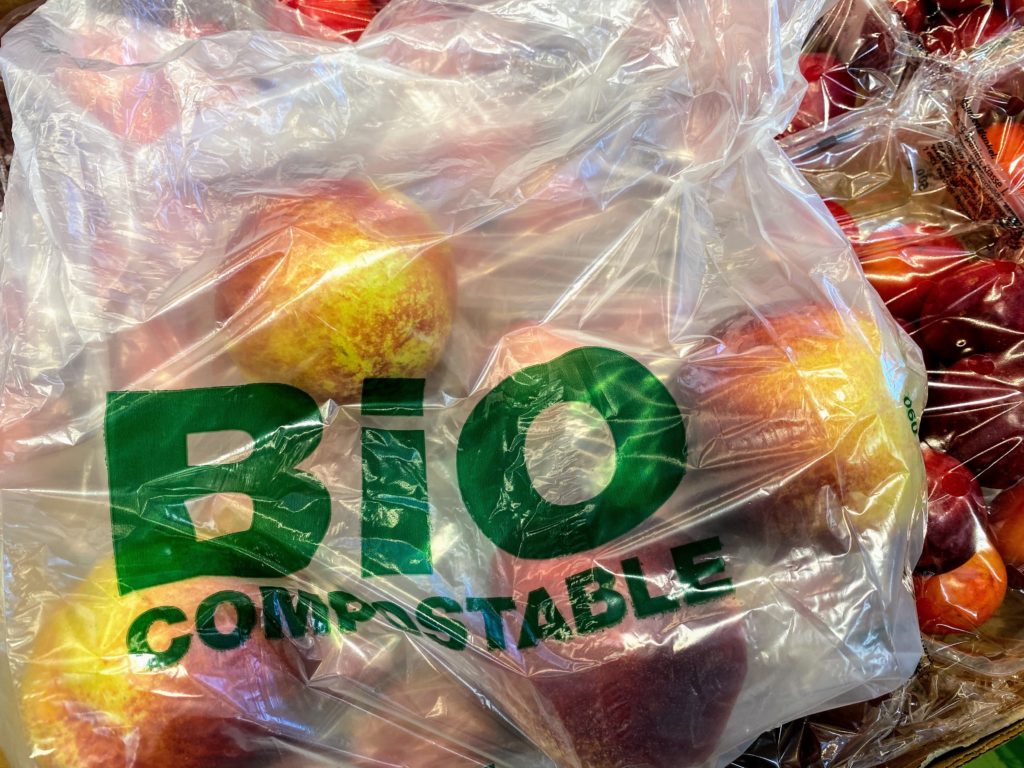
bio compostable plastic bag full of apples

MarinaTex 

MarinaTex is a UK-based company making single-use plastic sheets out of marine products such as algae and waste from fish processing. A large issue in certain parts of the world. It’s 100% biodegradable in soil. While not on the shelves yet, it does have potential for use in packaging and plastic bags. It’s the perfect example of an innovative way to encourage the use of circular economies. 

MycoComposite by EcovativeDesign 

New York company EcovativeDesign is creating packaging alternatives using 100% compostable materials. MycoComposite is just one of those materials; it uses mycelium, A.K.A. mushroom roots, and agricultural waste to create packaging. The roots helps the waste stay together. It has use for coolers, planters, shipping wine, and possibly building materials. Right now, several companies such as Magical Mushroom Company, Paradise Packaging Co., and Grown Bio take advantage of the packaging. 

NotPla

NotPla is made from seaweed, it breaks down in just a few weeks. Right now, it’s used in several things, including Ooho, an edible plastic alternative. It’s used to package single-serving water and drinks. They also create bags for sauces. It’s also being used to line cardboard containers with NotPla Liners. And that’s just the beginning. More non-food packaging products are in development. 

Innovations in the world of plastic alternatives is providing us more natural, healthy, and environmentally friendly options.

Seed Phytonutrients 

Seed Phytonutrients is a beauty brand using compostable materials to create sustainable packaging. Their shower curtains have a recycled plastic inner liner, and a recycled paper outer liner. It’s treated with clay, so it’s waterproof. A bonus package of seeds comes with every package. All of the formulas are at least 93% natural, cruelty-free, and contain no sulfates.

Oceanworks

Whether you want plastic alternatives for personal or business use, check out Oceanworks. They have several different types of materials. All from recycled plastic, from resins to nylon to textiles. There’s buttons, yarn, and fabric. Additionally, you can even build your own resin. They work with manufacturers globally, ridding our oceans of plastic and use it to make recycled material.

The world of plastic alternatives is a growing industry. We can all take steps towards finding alternatives in our lives. This list is just the tip of the iceberg. Likely, whatever plastic free product you’re looking for exists. You just have to look!

Filed Under: Make, Recent

How To Go Zero Waste

November 14, 2020 by Cassandra Townsend Leave a Comment

Did you know the world creates more than 2 billion tons of waste every year? The highest-income countries create a third of that waste, even though they only account for 16% of the population. Those numbers continue to grow, with the world creating more waste year by year. 

Our current levels of waste creation isn’t sustainable. Landfills release a lot of methane gas, and about 40% of the world’s trash is burned, which releases a lot of carbon dioxide. Both those gases are greenhouse gases, which cause changes in our atmosphere that negatively affect our planet (rising temperatures, for example). Trash is constantly in the environment, which can injure or be consumed by animals, sometimes with fatal results. And us humans? Increased emissions have an impact on our health, from asthma to different types of cancer. 

So, what can we do about it? Lots of things, as it turns out. One way, while not necessarily easy, is to go zero waste. 

Tips For Going Zero Waste 

Use the Five R’s. 

Do you remember the mantra from middle school? Reduce, reuse, and recycle? Well, it’s getting an upgrade. An idea from Bea Johnson is the 5R’s: “Refuse what you do not need. Reduce what you do need. Reuse what you consume. Recycle what you cannot refuse, reduce, or reuse. And rot (compost) the rest.” 

Some examples to help you get started: 

Refuse little things, like plastic straws or business cards. 

Reduce the amount of paper you use by using technology for your note-taking needs. Or, reduce how much processed food you eat to reduce the amount of packaging you use. 

Reuse! Instead of recycling items such as glass jars, clean them out, and use them for storage. They can be used for pasta, rice, flour, toothbrushes, or even as takeaway containers. This is especially helpful for those on a budget, as it gives you storage options without buying containers. 

Recycle cardboard, metals, or old papers. Maybe turn an old skirt into a tote bag, an old scarf into a skirt, or an old t-shirt into some rags. Use can even use old sweaters to make beds for your pets. 

Rot or compost. Composting can be daunting, but there are a few ways to go about it. Start with a compost bin. To do that, you want to start with bare earth, followed by a layer of hay or sticks, followed by what you’re composting. For that layer of your composted materials, you’ll want to alternate between moist and dry. From there, add a nitrogen source, cover, and add as you need. Here is a more detailed guide. Don’t have a yard or any space to compost in? No problem! Share Waste can connect you to people or organizations in your community that can help. 

woman holding metal straws and reusable water bottle

Start Small. 

Going zero waste can be daunting, and will take time. Going from normal waste to zero waste won’t happen overnight, but there are small steps you can take to gradually decrease waste. 

Audit your trash. Figure out what you’re creating waste with, and why. Do you buy a lot of coffee from coffee shops? Get takeout a lot? Throw out a lot of food? Figure out your patterns and change any waste-creating habits to more sustainable alternatives, like bringing a reusable travel mug to your next coffee run. 

Invest in a reusable water bottle or even just use the one hiding away at the back of the cabinet. This will help the environment, help you stay hydrated, and in my experience, may even remind you to drink water instead of that soda from the vending machine.  

Use reusable bags when grocery shopping to help decrease plastic waste. Most grocery stores have bags you can buy, or you can buy some cotton totes that may last longer. 

Use reusable straws. Metal and glass straws are all the rage right now, but there’s also hard plastic, silicone, and bamboo straws. I’m partial to stainless steel myself, but it really comes down to preference. Here’s a good low-down on different straws. 

Use your food scraps. You can make soup from leftover vegetables and meats, turn fruit into smoothies or sorbet, or freeze bread for croutons. Here’s a good guide on what else to do with scraps. 

Eat less takeout. Getting takeout creates a lot of waste, with restaurants being accountable for 72% of disposable packaging. So, start cooking or meal prepping for the week. I have found it really helpful to make myself a menu for the week: not only do I know what to cook, but I also know what exactly I need to buy. 

Switch products as you run out. For example, if you buy plastic containers of sugar or flour instead of the paper bags, next time you run out, just keep the container and fill with one of the bags instead. Or, if you have a stock of disposable razors, finish those before investing in a reusable. 

Don’t get discouraged. 

Finally, take every day as it is. Going zero-waste takes time and effort. It definitely won’t happen overnight, and it’s okay if you never fully get there. The main goal for all of us is to try, try to make that difference, no matter how small. Do what you can with your resources, and get creative.

Filed Under: Make, Recent

What we learned from David Attenborough’s Netflix documentary, “A Life on Our Planet”

November 11, 2020 by Mackenzie Riley Leave a Comment

David Attenborough has spent his life documenting and exploring nature. He can be credited with bringing the uniqueness of our planet to living rooms everywhere, giving insight to the wonder and importance of nature. In his 96 years of life, Attenborough has witnessed the ways our world has changed up close. 

Despite the many challenges our planet faces, including rising temperatures, wildlife endangerment, and overpopulation, “A Life on Our Planet” paints an optimistic future of possibility. Countries around the world are implementing solutions that are making a positive impact on the environment, wildlife, and human life. There’s a lot we can learn from these solutions:

Rewilding

As Attenborough puts it, “we must rewild the wild” and that is exactly what some nations are doing, including Costa Rica where a once lost forest has been restored to its lush, green glory. The changes that must be made to achieve such feats seem daunting and expensive but are simpler than you may think. If we are able to come together to find solutions to this crisis, the world may yet again be as wild as it once was. 

Rewilding is the large-scale conservation effort to restore biodiversity and ecosystem health in critical areas. This is done by reintroducing apex predators, keystone species, and ramping up conservation efforts. There have been several successful rewilding projects internationally, one of the most notable being in Yellowstone National Park. The gray wolves in Yellowstone were hunted to extinction by local farmers who found them a nuisance. The depletion of the wolf population led to the overpopulation of elk which overgrazed the park’s fauna. This threw the entire ecosystem of Yellowstone out of balance until the wolves were reintroduced in the 1990s. Now Yellowstone’s ecosystem has begun to bounce back, the reintroduction of the wolves has become one of the most successful rewilding projects to date. 

Population Management

The human population has grown exponentially, with no natural predators and technological advancements, we are living longer and reproducing just as much. This allows humankind to ignore its natural carrying capacity, growing far larger than the earth can support. There is a solution to this. Investing in development programs that improve the standard of living, better health care and education, simultaneously decrease birth rate. The documentary cities Japan as an example of this, a nation in which the birth rate fell dramatically, while standard of living improved. On a global scale this will decrease the global demand for resources, and decrease the strain on our world. 

Renewable Energy

Utilizing our natural forms of energy, that do not contribute to carbon emissions, is also a solution for climate change. Morocco was previously dependent on fossil fuels for all of its energy, currently the nation produces around 40% of its energy from renewable power plants, featuring the world’s largest solar farm. Morocco’s commitment to developing renewable energy infrastructure has positioned it to possibly be an exporter of solar energy by 2050, which would generate economic growth for the nation, as well as decrease its contribution to carbon emissions. Renewables are one of the cleanier, most affordable, and resilient ways for us to save our planet. 

Ocean Conservation

The ocean is also an important ally in our fight to reduce atmospheric carbon. With increased biodiversity and stable temperatures the ocean is better protected and more efficient at its job. Still, for many the ocean is an important source of food. In recent years the ocean has been severely overfished, jeopardizing the health of our oceans and greatly disrupting our food chain. 

The Pacific Island nation of Palau has worked to develop a solution to this. Palau is reliant on coral reefs for fishing and tourism, as they noticed fish stocks were decreasing, the Palauans quickly restricted fishing practices and even banned fishing in some areas. These restrictions allowed fish populations to bounce back, allowing the reefs to recover and increasing the fishing stocks to increase. On an international scale the United Nations is attempting to create the largest no-fishing zone that will effectively create the greatest wildlife reserve, and allow marine life to flourish. 

The David Attenborough: A Life on Our Planet documentary is an important reminder of the fight at hand, but also the hope we must carry. It’s not too late to overcome the planet’s challenges by utilizing the solutions in front of us. It is not too late to become a solutionsist!  Change may be hard, but I am confident that we will find the wisdom to continue to evolve with our Planet Home. 

Filed Under: Eat, Live Tagged With: documentary

Waste-Free Whoppers? Burger King is testing reusable packaging.

November 10, 2020 by Antony Randall Leave a Comment

Fast food doesn’t come to mind when we think about practicing sustainable, low-waste, and plant-based diets. However, in the past few years, we have seen a rise in plant-based meat substitutes. These have begun spreading through the fast-food world. Burger King has been at the forefront of these efforts. They released the Impossible Whopper, The Impossible Croissan’wich, and even meatless nuggets.

Burger King is now taking their efforts one step further and will begin introducing reusable packaging into their restaurants. Burger King is hoping to eventually implement this practice everywhere. With takeout dining rising due to the pandemic, efforts like these are becoming increasingly necessary. 

How Will They Do It?

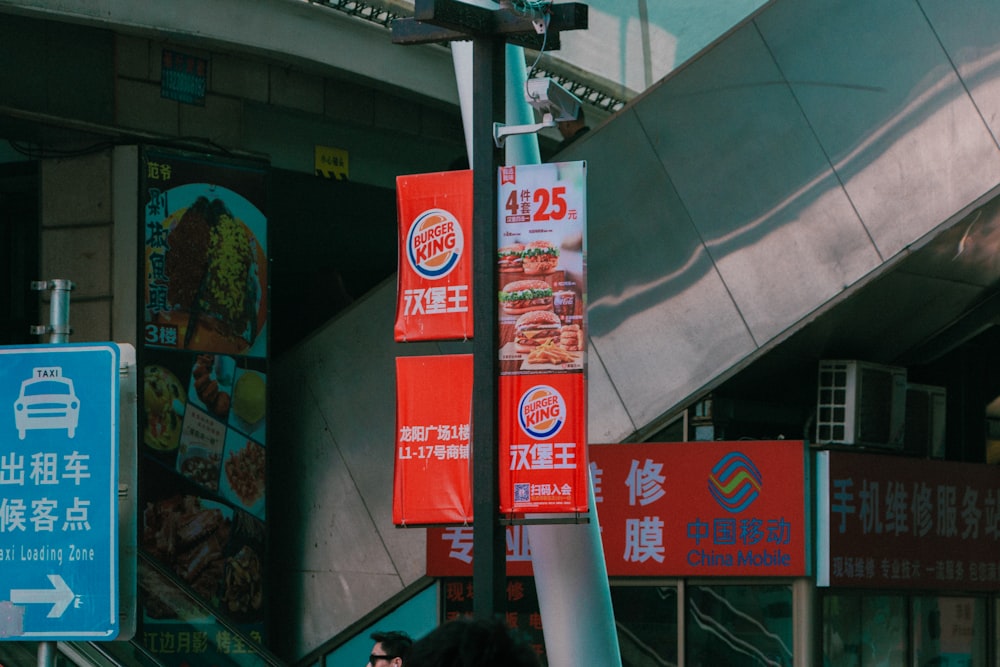
Burger King is partnering with Loop, giving customers reusable packaging they can return for a rebate. The sustainably-sourced material can then be cleaned and reused. The test-run will begin in New York, Portland, and Tokyo, with the intention to expand to more locations. All guests’ packaging will come from sustainable sources and be recycled at U.S. and Canada Burger King restaurants by 2025.

text signage on gray post

What Difference Will This Make?

The fast-food industry is worth $570 billion each year. Their dependence on resources such as water, land, and livestock feed causes it to have drastic environmental impacts. The livestock sector which is essential to fast-food makes up 14.5% of all human-induced emissions. In addition, the vast amounts of transportation necessary to ensure the fast-food industry can function are enormous. Fast-food packaging makes up about half of the litter on the streets. Styrofoam, a common fast-food packaging type takes 900 years to disintegrate in a landfill! These all combine into fast-food having a large negative environmental impact.

What Can You Do to Reduce Waste From Your Eating Habits?

There are small efforts we can all make in our day-to-day life that make a difference for our environment. Don’t buy pre-prepared ingredients when shopping. These often result in unnecessary packaging. Instead of canned green beans, you could buy fresh green beans and eliminate the waste of an aluminum can. Instead of boil-in-a-bag rice, you could purchase a large quantity of uncooked rice. You can prepare it on the stove at home with minimal additional cooking time. 

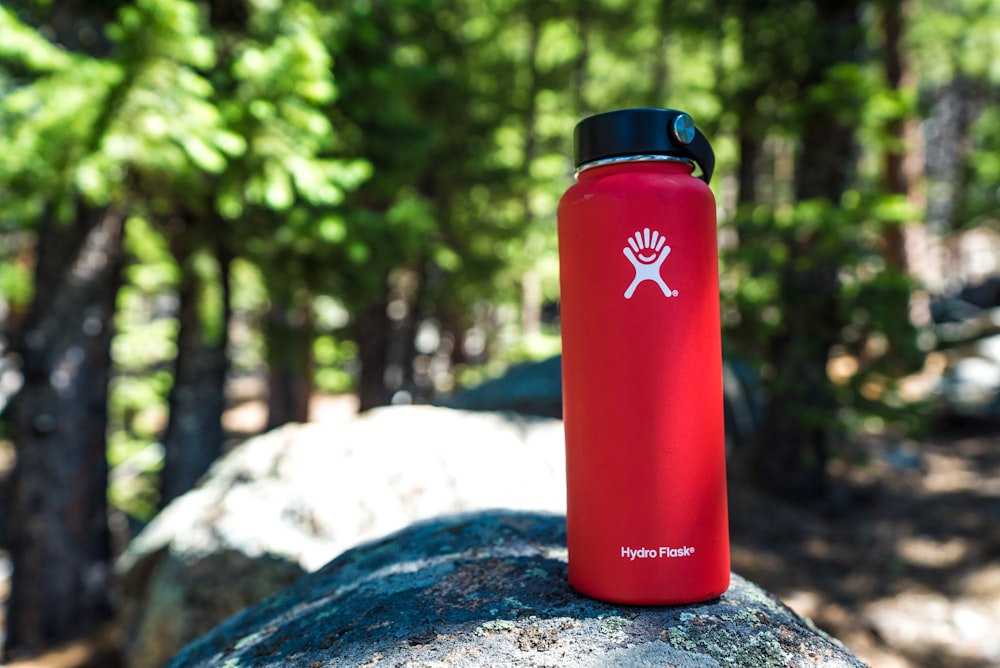
When it comes to products that are difficult to prepare yourself, you can aim to reduce single-use plastics by buying yogurt in bulk, and using a reusable water bottle. If your products use packaging, try to recycle as much as you can. These small changes can help you reduce the waste associated with your eating habits. While we do our part with our everyday eating, it is important that the fast-food industry begin doing their part, too.

red and black plastic hydro flask on rock

The hope is that if Burger King is successful in its efforts, other restaurant chains will follow suit. The fast-food industry creates vast amounts of waste every year. It is essential that we support companies making an effort to reduce this footprint and move towards a waste-free world.

Filed Under: Eat, Recent Tagged With: food, waste

Top Tips for Growing a Home Garden

November 9, 2020 by Cassandra Townsend Leave a Comment

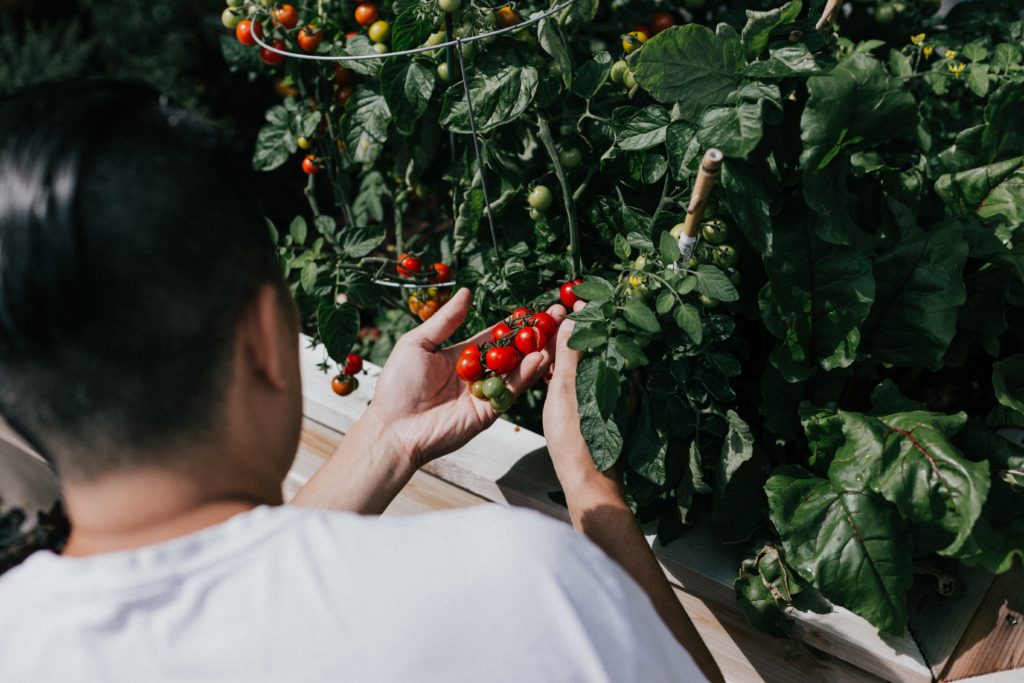
Growing a garden at home is a great way to save money, help the environment, and enjoy a fun, relaxing activity. It can be hard to know where to start, though. Personally, I want to start a huge garden eventually, but my green thumb is a work in progress.

From one aspiring gardener to another, here are some tips I’ve found that can help you get growing!

Getting Started 

Location, location, location.

Plants can be really picky about moisture, soil type, and how much sunlight they get. For vegetables, you want a spot with more sun, moist soil without a lot of rocks, and that doesn’t get a lot of wind. If you don’t have the right soil, consider using raised beds or planters. 

Pick the right fruits, vegetables, and herbs.

Don’t plant things you won’t eat, and don’t plant more than you can eat unless you want to freeze some things or give some away. It’s important to be realistic, so start small and build up. 

tomato garden
Use a growing guide.

The Old Farmer’s Almanac has a great guide to most fruits and vegetables. This is important to use because some vegetables grow in the summer, some grow in the early fall, some grow in late spring. They also share what to plant to help keep pests away while attracting beneficial bugs, like honeybees. Farmer’s Almanac can also help you keep track of the first frost, when to plant, what pests to look out for, and how to harvest. 

Use a Tower Garden to save space.

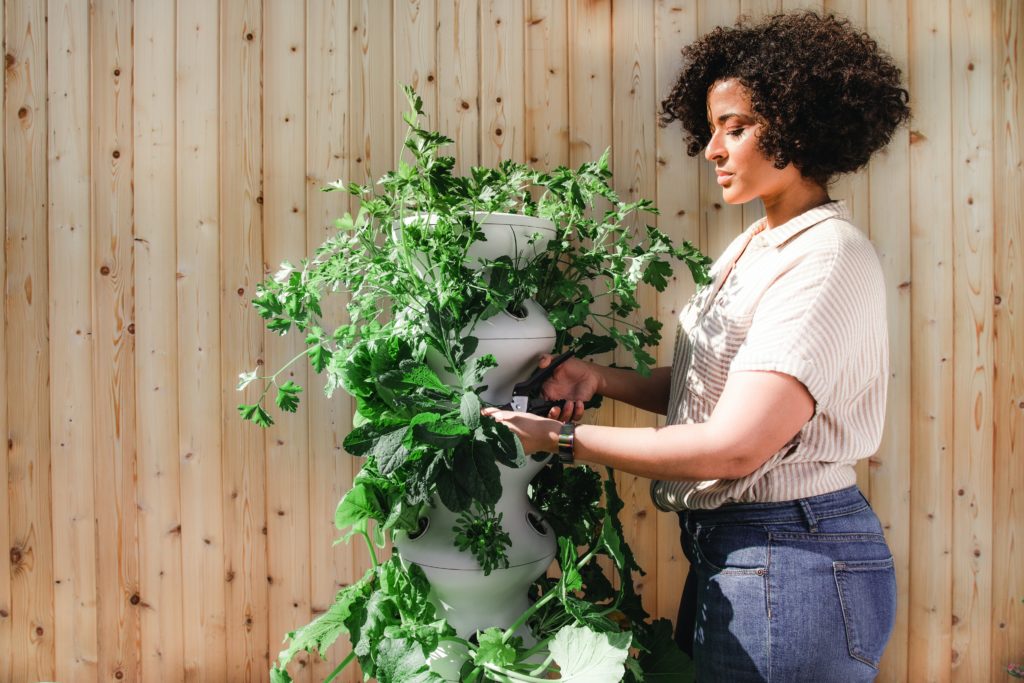
Instead of being long and wide, Tower Gardens only take up about three feet of floor space depending on which brand you get. It’ll help you grow more, faster, while conserving water. Remember to pay close attention to what they suggest growing though, as some plants may not do well. If you’re living in an apartment or don’t have a lot of yard space, Tower Gardens are a great option for your gardening needs!

tower garden
If you’re nervous, invest in a soil pH and moisture reader.

Different plants have different preferences but generally, you want more neutral soil. Soil that is too acidic doesn’t promote good bacterial growth and can lead to the accumulation of things toxic to the plants. Soil too basic can block the uptake of nutrients. Additionally, soil that is too moist can cause root rot. Here’s a good list of readers to get you started. 

What to Plant

When you’re gardening, you’re really only limited by space and the climate in your region. Here are some things that are good to plant together. 

Herbs

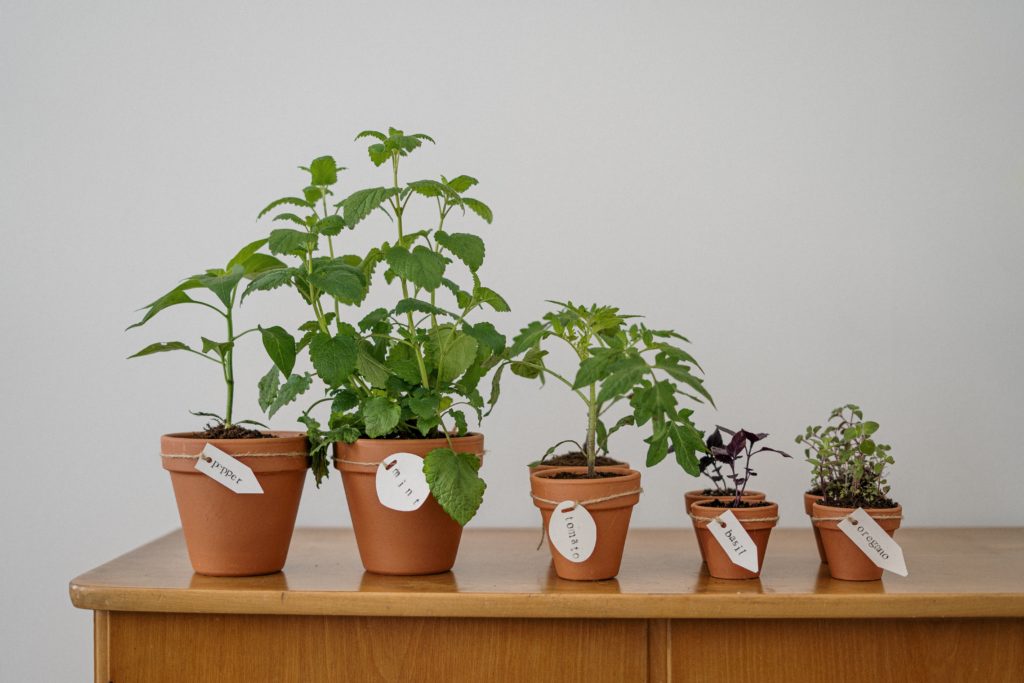
Herbs are a great thing to grow, either in a garden or on their own in pots. They can bring the beneficial bugs in, and help keep the pests out for a healthier gardening situation. Cilantro, tarragon, basil, chives, and parsley should be planted together; they all like lots of sun and more moist soil. Sage, thyme, oregano, rosemary, marjoram, and lavender should also be planted together, as they all prefer a drier soil. Mint can be planted with most things, but it can become invasive if you’re not careful. 

potted herbs
Vegetables

A lot of vegetables can be planted together and even with some herbs, all depending on soil type, sunlight, and season. Cucumbers, for example, can be planted near beans, cabbage, corn, lettuce, and even sunflowers, but should be kept away from potatoes and melons. Corn can be planted with potatoes, squash, peas, melons, but shouldn’t be anywhere near tomatoes. Peppers can be grown with basil, onions, tomatoes, and spinach. Here’s a comprehensive table from the Farmer’s Almanac. When you’re planting them, be sure that no taller/larger plants will block sunlight from smaller/lower plants. 

Fruits

Fruits like to grow with a lot of things, not just other fruits, but they can take up more space, and require more upkeep, such as apple or peach trees. Blackberries do well with strawberries and pine and oak trees. Grapes you can grow with oregano, peas, and even mustard plants. Melon grows well with chamomile, and apricots grow well with daffodils. 

Flowers

When planting different flowers together, consider their soil and nutrient requirements and, of course, if they look good together. Daylilies grow well and look good with lavender and black-eyed susans. Tulips like daffodils. Sweet Alyssum helps keep weeds at bay while attracting bees. Dahlias also attract bees but keep away from some crops as they also attract some pests. 

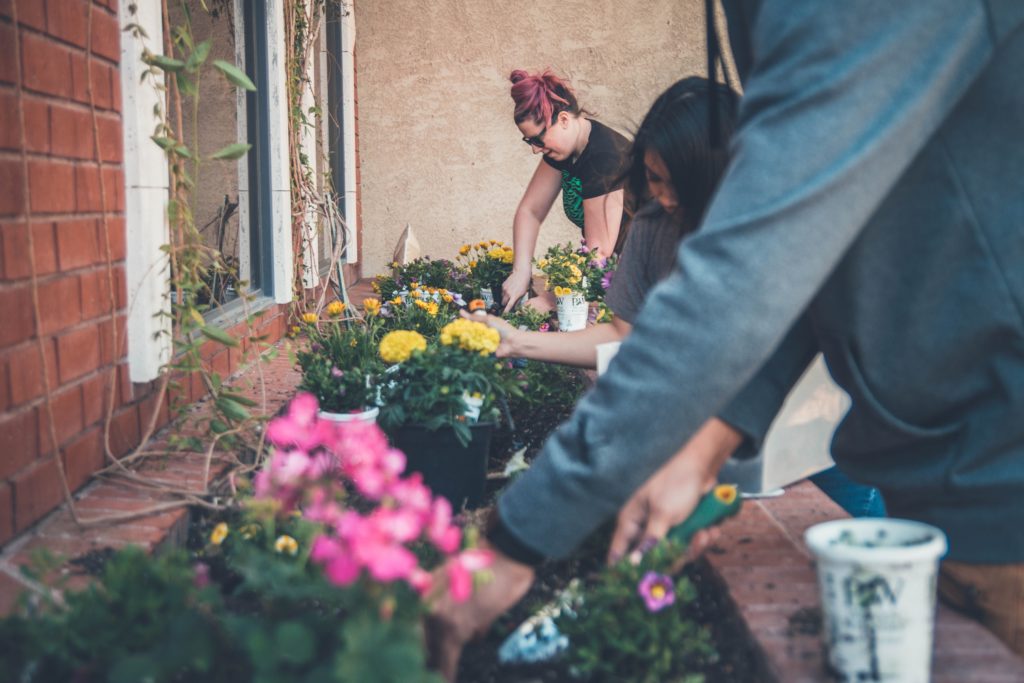
Here’s a resource that has companion planting tables for herbs, fruits, vegetables, and flowers. 

friends planting flowers in a garden

Air Purifying Plants 

I don’t know about you guys, but being home all the time has really turned me into a plant mom. I worked at a produce farm over the summer though, so I wasn’t too keen to garden in my free time. I have a growing collection of succulents and air plants though, which can help purify the air in your house. As some of us approach winter, air purifying plants are a must as temperatures drop and windows close. As a bonus, they’re generally simple to take care of, though more rare or exotic types might require some more research. 

Here are some of the best air purifying plants, according to NASA’s Clean Air Study. 

Ivy

Ivy is a great air-purifying plant, easy to take care of, and easy to cultivate into a larger plant as it’s invasive in nature. Some are better for certain conditions; English Ivy is good for homes with smokers, for example. 

Ferns

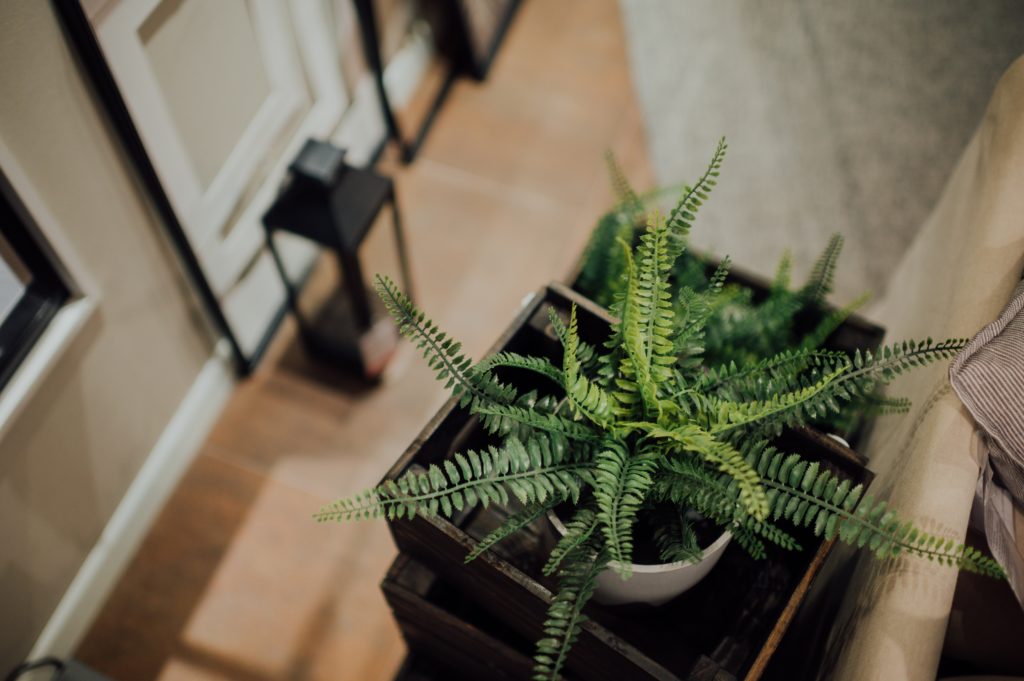
Ferns are humidifiers, so really good for the dry winter months. It has larger leaves, too, so it can also act as a statement piece. 

potted fern
Peace Lily

Peace lilies are gorgeous plants, and they grow really well in low light. It also removes a lot of stuff from the air, like acetone (which is in nail polish remover) and some alcohols. Just be careful, as it can be toxic to kids and pets. 

Spider Plant

Spider plants have been a staple in my house since I was little, and I understand why. They don’t like direct sunlight, only need to be watered about once every two weeks, and grows fast. We were constantly giving people cuttings. As a plus, it removed carbon monoxide from the air really well. 

Snake Plant

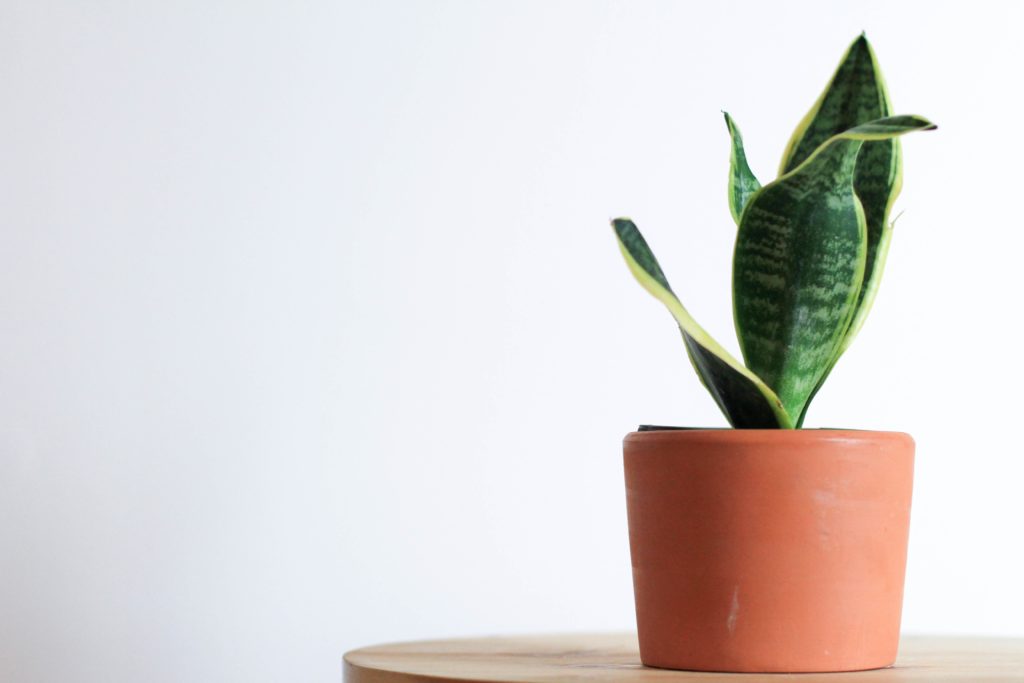
This is currently my favorite plant, and I’m looking everywhere to find one because I love the look. The snake plant, unlike a lot of plants, actually releases oxygen and takes in carbon dioxide at night. It also helps remove formaldehyde from the air, too. 

potted snake plant

Generally, remember to keep your plants’ soil moist and make sure they get some sun. Some plants can be dramatic and wilt fast if the soil isn’t moist enough, but give them a drink and they should do alright. Also, replant them into bigger pots as necessary; I’ve had plants die several times because the roots took over and there was almost no soil left. Also, be careful to keep them out of reach of pets as a general rule, as some species can be toxic. You can also do research into bigger plants you’re interested in to make sure they’re safe.  

Finally, get growing! It can be overwhelming at first, but do your research, keep an eye out, and you’ll have a growing garden in no time. 

Filed Under: Recent

  • « Go to Previous Page
  • Page 1
  • Interim pages omitted …
  • Page 43
  • Page 44
  • Page 45
  • Page 46
  • Page 47
  • Interim pages omitted …
  • Page 54
  • Go to Next Page »

Primary Sidebar

Recent Posts

  • PLANET HOME Announces $1 Million Tough Tech Prize at Inaugural Gala During Tough Tech Week
  • Planet Home and DataEnergy are solving the Green Computing Dilemma with Renewable AI Infrastructure
  • The Great AI Scale-Up: Balancing Compute Power with Planetary Boundaries
  • The Algorithm’s Bargain: Is AI Really for Good?
  • Code, Culture, and Creation: How AI is Remixing Entertainment’s DNA

Recent Comments

  • Liam Jacobs on Fricken’ Flying Taxis: The Future of Travel is Closer Than You Think
  • Izabella Bauer on The Pressing Plastic Problem
  • Broderick Ruiz on The Pressing Plastic Problem
  • Cherish Velez on The Pressing Plastic Problem
  • Anika Scott on The Pressing Plastic Problem

Archives

  • November 2025
  • April 2025
  • February 2025
  • January 2025
  • June 2022
  • April 2022
  • March 2022
  • February 2022
  • January 2022
  • December 2021
  • November 2021
  • October 2021
  • September 2021
  • August 2021
  • July 2021
  • June 2021
  • May 2021
  • April 2021
  • March 2021
  • February 2021
  • January 2021
  • December 2020
  • November 2020
  • October 2020
  • September 2020
  • August 2020
  • July 2020

Categories

  • AI
  • Community
  • Eat
  • energy
  • Featured
  • Live
  • Make
  • Move
  • Network
  • Press
  • Recent
  • Solutionist 100
  • Solutionists Making Moves
  • Solutions

Meta

  • Log in
  • Entries feed
  • Comments feed
  • WordPress.org

Design

With an emphasis on typography, white space, and mobile-optimized design, your website will look absolutely breathtaking.

Learn more about design.

TRENDING NOW

  • PLANET HOME Announces $1 Million Tough Tech Prize at Inaugural Gala During Tough Tech Week
  • Planet Home and DataEnergy are solving the Green Computing Dilemma with Renewable AI Infrastructure
  • The Great AI Scale-Up: Balancing Compute Power with Planetary Boundaries
  • The Algorithm’s Bargain: Is AI Really for Good?
  • Code, Culture, and Creation: How AI is Remixing Entertainment’s DNA

NEVER MISS A SOLUTION!

Sign up for our mailing list to stay up to date on planet saving solutions, news, and events from PLANET HOME!


BROWSE BY TAGS:

action carbon carbon emissions circular economy coronavirus eat education energy environment esg events fashion finance food green holidays industry lifestyle live make material science move music nature ocean oceans ocean stewardship planet plant-based plastic profile recycling s100 solutionist solutionists solutions sustainability tech technology tiktok transportation vegan waste water wildlife
Locations
Resources
Legal

Footer

Locations
Resources
Legal
  • Facebook
  • Instagram
  • LinkedIn
  • Pinterest
  • Twitter
  • YouTube
  • San Francisco
  • Los Angeles
  • New York
  • About PLANET HOME
  • Contact
  • Media
  • Employment
  • Terms of Use
  • Privacy Policy
  • Press

©2021 Planet Home. All rights reserved.
Use of and/or registration on any portion of this site constitutes acceptance of our User Agreement (updated 5/25/18) and Privacy Policy and Cookie Statement (updated 6/8/21) Your California Privacy Rights. The material on this site may not be reproduced, distributed, transmitted, cached or otherwise used except with the prior written permission of PH.

This website uses cookies to improve your experience. We'll assume you're ok with this, but you can opt-out if you wish. Cookie settingsACCEPT
Privacy & Cookies Policy

Privacy Overview

This website uses cookies to improve your experience while you navigate through the website. Out of these cookies, the cookies that are categorized as necessary are stored on your browser as they are essential for the working of basic functionalities of the website. We also use third-party cookies that help us analyze and understand how you use this website. These cookies will be stored in your browser only with your consent. You also have the option to opt-out of these cookies. But opting out of some of these cookies may have an effect on your browsing experience.
Necessary
Always Enabled
Necessary cookies are absolutely essential for the website to function properly. This category only includes cookies that ensures basic functionalities and security features of the website. These cookies do not store any personal information.
Non-necessary
Any cookies that may not be particularly necessary for the website to function and is used specifically to collect user personal data via analytics, ads, other embedded contents are termed as non-necessary cookies. It is mandatory to procure user consent prior to running these cookies on your website.
SAVE & ACCEPT