• Skip to primary navigation
  • Skip to main content
  • Skip to primary sidebar
  • Skip to footer
Planet Home

Planet Home

Culture Solutions

  • ECOSYSTEM
    • EAT
      • Food Security & Production
      • Land Stewardship
      • Ocean Stewardship
      • Health + Wellness
    • MAKE
      • Circular Economies
      • Green Manufacturing
      • Material Science
      • Regenerative Ecosystems
    • MOVE
      • Clean Transport
      • New Fuel Sources
      • Virtual Connections
      • Ecological Explorations
    • LIVE
      • Sustainable Communities
      • Biodiversity
      • Atmospheric Conditions
      • Renewable + Equitable Energy
  • VENTURE STUDIO
  • LABS
  • EVENTS
  • ARTICLES
    • Featured
    • Network
    • Press
  • Menu bars
  • COMPANY
  • VENTURE STUDIO
  • LABS
  • ABOUT
  • CONTACT
  • NETWORK
  • ECOSYSTEM
  • COMMUNITY
  • MEDIA
  • VIDEO
  • PHOTO
  • PRESS
  • Podcast
  • EVENTS
  • ALL
  • 2019 SUMMIT
  • 2017 SUMMIT
  • Terms of Use
  • Privacy Policy
  • Facebook
  • Instagram
  • LinkedIn
  • Pinterest
  • Twitter
  • YouTube

What You Need to Know About Recycling Beauty Products, According to an Expert

What You Need to Know About Recycling Beauty Products, According to an Expert

January 15, 2021 by Sara Miranda Leave a Comment

There is still much-needed room for improvement in America when it comes to recycling, as approximately 80% of the things that Americans dispose of in the trash can be recycled. Recycling can pave the way for a brighter future for the planet. In fact, recycled materials that undergo processing to manufacture new items use less energy than new materials. This means that fewer greenhouse gases are emitted, which means that fewer toxic pollutants are impacting the air.

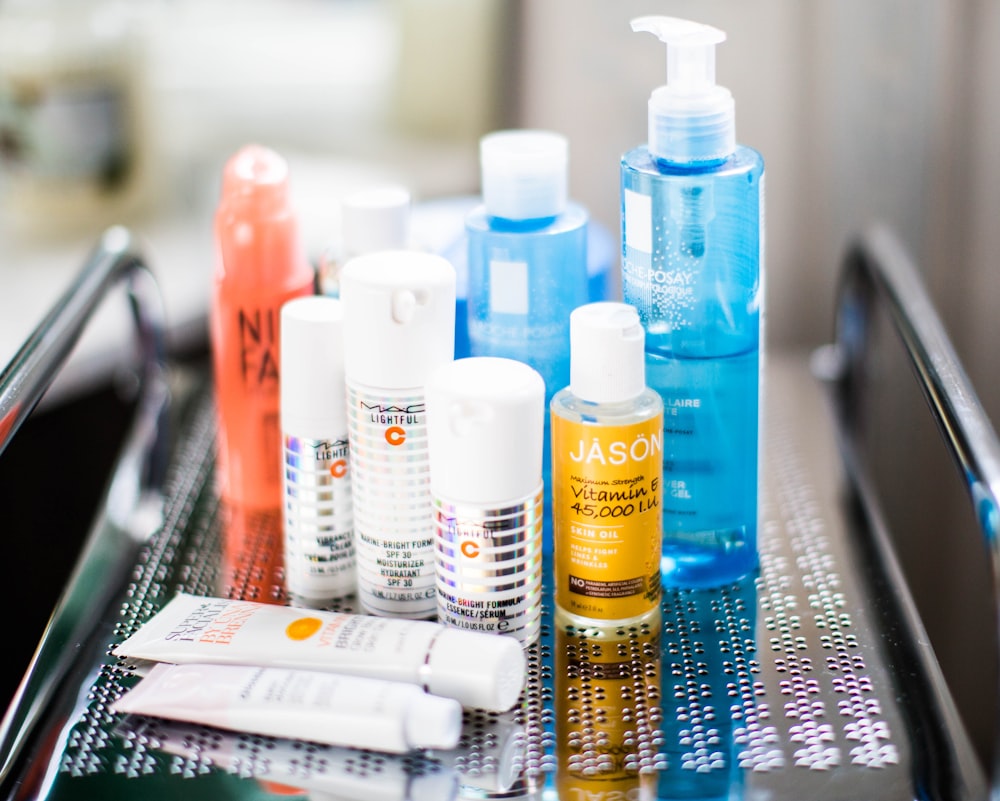
Chances are the things you throw away include the hairspray you used for months or that facial cleanser that promises to free your skin of all its imperfections. In reality, though, those things should have been recycled, but local regulations, cleaning the container, and throwing away metal springs dictate how beauty products are to be recycled.

How to Keep the Planet Beautiful with your Beauty Routine

When it comes to recycling beauty products, the solutions don’t stop at simply tossing your products in the recycling bin. In fact, try making a change in how and where you shop. The best solution in working towards being a more conscious beauty consumer is buying products in bulk instead of making multiple rounds to the store. Buy products that are doing their part to help the planet or are supporting programs that promote recycling and reusable practices, such as refillable-deodorant brand, Wild. Makeup brand Kjaer Weis has an “intelligent refill system,” which allows customers to refill their Kjaer Weis products.

To find out how we can all become more savvy recyclers of personal care products, we chatted with Randy Hartmann, Senior Director of Affiliate Operations at Keep America Beautiful, a nonprofit that educates the American public on how it can keep the Earth clean through various programs and initiatives. Below, read on to learn the do’s and don’ts before tossing out your beauty products.
text

Don’t: Throw out Small or Unfinished Product Containers

According to Hartmann, products smaller than 3 inches in length cannot be recycled, and should be thrown in the trash. If you’re looking to recycle a personal care product, though, make sure to empty all of the remaining product in the container. So, be sure to make the most of your products and use it up until the very last drop. Otherwise, it runs the risk of tainting other recyclables when it goes through processing at a recycling facility. To ensure I get all the gunk out of my products, I always cut them open with a scissors to make sure that all the residue is gone.
assorted-color fragrance bottle photo

Do: Paper, Glass, Plastic and Metal are all A-Ok

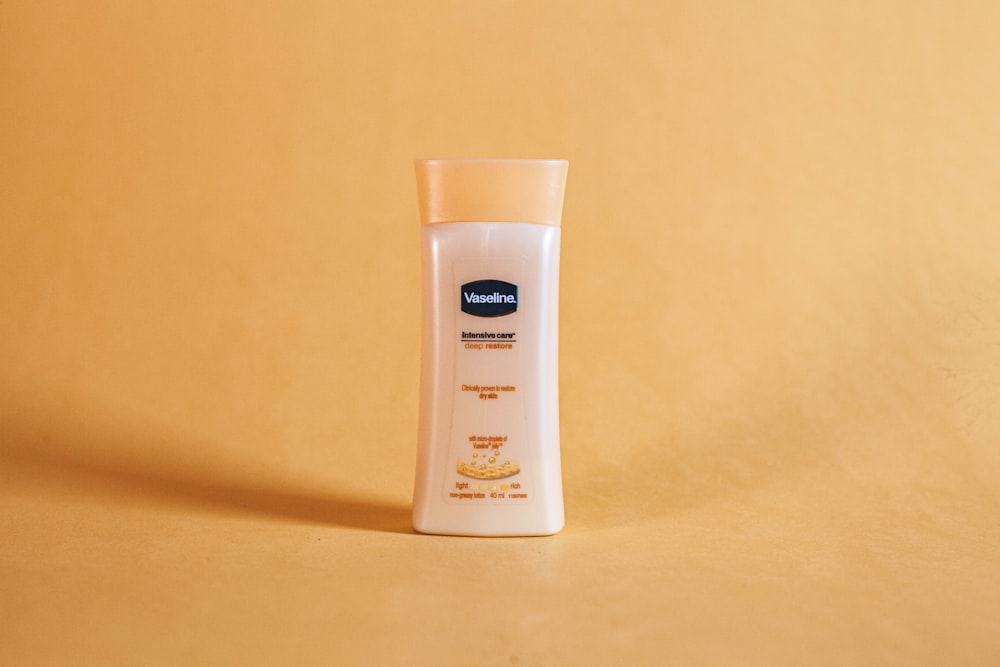
Most products with paper, glass, plastic, or metal packaging are acceptable to throw away in the recycling bin. Hartmann advises to always check out your city’s recycling regulations to know which types of paper, glass, plastic, or metal materials are acceptable for recycling. “If your local recycling program accepts plastic laundry and milk jugs, chances are they will accept any empty plastic bottle that holds shampoo, conditioner, lotion, and/or soap,” he says. Basically, the products that you use to wash your face, hands, hair, and body every day can be recycled
white and black nivea soft tube

Don’t: Toss out Products with a Metal Spring

For any product that has a pump – think hair sprays or hand soap – it probably has a metal spring, too. While the hair spray and hand soap bottles may be tossed to the recycles, the metal spring can’t. Before heading to the recycling bin, make sure that your containers with a pump are free of any metal springs.

Do: Purchase Products Made with Recycled Materials

Even though properly recycling our used beauty products is giving Mother Earth the love it needs, Hartmann says buying products made from sustainable materials is another way to show Earth that you care. Below, check out these brands that designed products with Mother Earth’s wellbeing at top of mind:

We Are Paradoxx – This haircare brand claims all its products are 90 per cent plastic free and their packaging is made of aluminum, which can be recycled and reused indefinitely. Can it get any better than that?!

Love Beauty and Planet – For both your skincare and haircare needs, I suggest taking a look at this brand. Each product’s packaging is made from post-consumer recycled materials (aka PCR), which means that the packaging material has already been recycled! This brand truly lives up to its mission of “looking good and doing good.” Love Beauty and Planet has supported numerous initiatives focused on helping the environment, such as partnering with Ashoka, an international organization that provides funding to changemakers around the world.

Necessaire – This brand is always praised for the quality of its products . What makes them even better, though, is that they’re part of 1% For the Planet, an organization consisting of companies that promise to donate at least 1% of their annual earnings to environmental organizations! Each box that houses their products is comprised of 85% post-consumer waste and 100% recyclable paper. Know that when buying from Necessaire, your money is truly in good hands and goes towards supporting the environment.

You can make a difference!

Our advice? Before throwing out your beauty products for good, check out the website of your local government to know what’s allowed to be thrown in the recycling bin. As always, check to make sure the container is free of all product, and you’re set! Go the extra mile to support recycling efforts by supporting brands that are either doing their part to help environmental initiatives or have included environmentally-friendly practices in their manufacturing operations. No action is too small to make a difference!

Filed Under: Live, Recent Tagged With: recycling

5 Fashion Brands with Textile Recycling Programs

January 13, 2021 by Anton Rohr Leave a Comment

Sustainable fashion! What popped in your head after reading that? Of course, it plays a key role in making our Planet Home a cleaner, healthier place to live by reducing water use, carbon emission, and textile waste. However, if we’re being honest, other common thoughts attached to sustainable fashion are expensive, inaccessible, and harder to find. What makes fast fashion so attractive is not necessarily their actual garments (looking at you “Fridays We Be Like.. Squad Goals but First Coffee” -esque graphic tees), but the affordability and prevalence that they have acquired by cutting corners in their supply chains. 

black leather crossbody bag

One way that this dichotomy between fast and slower fashions is changing is through recycling programs. The details vary from brand to brand, but, in general, these programs take back textiles in order to close the loop on their production and extend the lifespan of their raw materials. Some even offer an incentive to make it an exchange rather than a simple donation, such as a coupon for a future purchase. By putting the old clothes back into the supply chain, their production becomes more circular, resulting in less waste. What is special about these programs is that any type of fashion brand can implement them, even fast fashion.

Being more sustainable with your fashion can seem like an intimidating journey that is difficult to know where to begin. To help you get started, here are some cool programs to look into for when you are ready to clear out that closet and extend your clothing’s lifespan. 

Levi’s

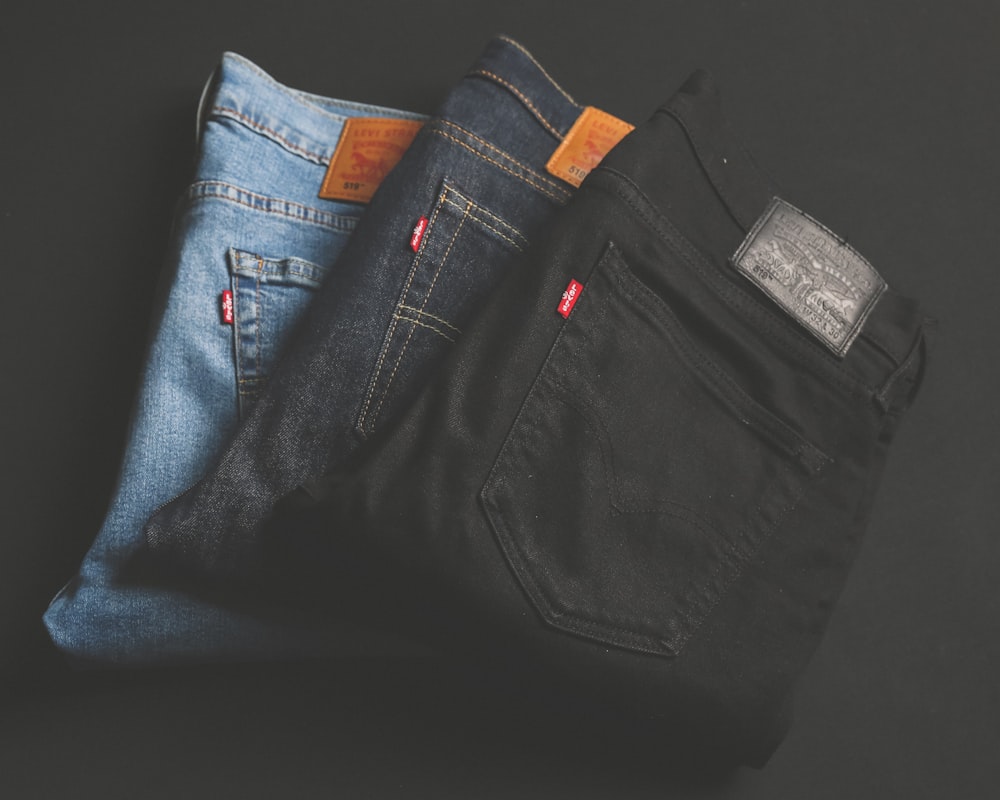
Levi’s recycling program focuses on their hero product – their denim. They partner with Cotton’s Blue Jeans Go Green to accept any old pairs of jeans and shred them to turn them into housing insulation. Then to top it all off, they give you a 20% discount on one item. This is a creative way to recycle and give new purpose to old garments, but hopefully, their program expands to include textiles from their full catalog. Levi’s also has Levi’s Secondhand, their buyback program that sells pre-owned Levi’s products that are sold back to them in exchange for gift cards. This program extends the life of clothes which reduces CO2 emissions and textile waste. Aside from their old products, they have reworked their production of new products to reduce their water usage by over 90%.

three assorted-color denim bottoms

Madewell

Madewell also partners with Cotton’s Blue Jeans Go Green to buy back used denim and offers a $20 discount on a new pair of jeans. They also have a resell platform through ThredUp, the Madewell Archive, where you can browse pre-owned jeans as a way to reuse those textiles. If recycling and reusing isn’t your thing, you can also bring in worn Madewell denim to their stores for mending, patching, and other fixes, as a way to give your jeans a longer life. 

Girlfriend Collective

This brand stands out for using unconventional materials, such as recycled plastic water bottles and fishing nets, to create their products. Their recycling program, ReGirlfriend, bolsters their claim to sustainability and circular production by bringing the customer into the loop by inviting them to give back their old Girlfriend products, regardless of quality, and receive $15 off their next purchase. Their page about the program also has a video that educates and explains their reasoning. A unique aspect of the program is the option to mail old garments to them, increasing the accessibility of the program, especially during the pandemic. 

Patagonia 

They are a fashion brand known for their connection to the environment and dedication to sustainability. This does not stop at their recycling and returns. Rather than just promote recycling directly back to them, they have pages explaining how to extend the life of their products in order to get the most out of them. There are also pages on unique ways to reuse their products and convert them into something else. Donating old products is just one option, however, they only offer the “satisfaction of knowing that your old Patagonia clothing will not end up in a landfill or an incinerator” in exchange for doing this. As a brand, they also have sustainable options for new clothes, such as garments made with eco-friendly materials, like their Yulex wetsuits, and Worn Wear, their used product marketplace. 

woman in brown jacket standing on snow covered ground during daytime

Reformation

Reformation is at the forefront of sustainable fashion. Their recycling program is a partnership with thredUP where you can either choose to sell or donate your old clothes. There is a quality barrier for selling, but they accept any quality for donations. If you choose to sell, you will receive Reformation credit for future purchases. If you donate, thredUP donates $5 to the Circular Fashion Fund, which seeks to increase the circularity of fashion production. 

It is reassuring to see these types of programs coming from different areas of fashion because teamwork and intersectionality are essential to the environmental movement. Going forward, it is important to keep this pressure on fashion brands to continue to grow their recycling programs. We need to maximize the synergy of brands and customers working together to protect Planet Home. To play your part in sustainable fashion, you can do things like support sustainable brands and shop secondhand. However, actions like consuming less and extending your clothing’s lifespan have greater impact and longer lasting effects.  

Filed Under: Make, Recent Tagged With: fast fashion

Smart Cities: The Green Future of City Life

January 13, 2021 by Antony Randall Leave a Comment

Imagine a city of the future. Is it green? Completely self-sufficient? Those are no longer future possibilities, but instead are becoming a current reality. They are called smart cities. Smart cities are generally self-sufficient and designed in a way that maximizes efficiency and quality of life for their inhabitants. They are sustainable and built with green ideals integrated into all aspects.

Cancun’s Smart Forest City

Smart cities are being taken one step further, though, with the planning of what is called a smart forest city in Cancun, Mexico by Stefano Boeri Architetti. The architecture firm has previously worked with the concept of vertical forests, but is now planning to expand this into an entire green city. The city would be completely food and energy sufficient with 7,500,000 plants. The city will be surrounded by a vast number of solar panels which will likely create more energy than the inhabitants will use. Surrounding the city will be a large agricultural area, fed by desalinated water from the ocean. The city will only allow electric vehicles and will have research centers focussed on sustainability. The self-sufficiency in energy and water is intended to encourage the development of a circular economy. The city will be the first of its kind to be fully green and self-sufficient.

aerial view of trees and building

Are Other Cities Smart?

Other cities around the world have been making strides toward sustainability. 

Copenhagen

Copenhagen has been building super cycle highways and more bike lanes which have led to 45% of Copenhagen’s residents commuting by bike. The city has focussed on reducing emissions, most significantly through energy-efficient heating and cooling systems that all residents are connected to. 

San Francisco

San Francisco has made similar transportation strides with hybrid-electric buses and more than half of their light rails being zero-emission. While there is still more room for progress, San Francisco has been working on increasing sustainable food, recycling, and composting with the aim of being zero waste. 

Golden Gate Bridge, California

Vancouver

Vancouver is committing to having 100% of its energy come from renewable sources by 2050 and has implemented the Greenest City Action Plan. The plan entails going zero-carbon by designing green buildings and transportation; going zero waste; and creating healthy ecosystems through access to nature, clean water, clean air, and local food.

Stockholm

Stockholm is similarly attempting to be fossil-fuel-free by 2040. The city also intends to collaboratively work towards reducing the environmental impact of the city’s consumption. Stockholm has also set an “emissions budget” which caps their carbon dioxide emissions at 19 million tons between 2020 and 2040.

aurora sky phenomenon in cityscale near ocean

Singapore

Singapore has a more technological approach to becoming a smart city with the intention to collect data for open source use so that analysis can create new opportunities for innovation. Engineers can analyze environmental factors in order to better design and position new buildings. In addition, the government plans to implement energy-efficient lighting and install solar panels on 6,000 buildings. 

Dubai

Dubai is similarly using technology to help the environment by eliminating paper transactions and monitoring public transportation in order to reduce traffic. They have also been working on the Hyperloop, a high-speed, sustainable travel system to transport people between Dubai and Abu Dhabi in 12 minutes.

white and gray high rise buildings near body of water during daytime

Tianjin

Tianjin is an “ecocity” being built in China that intends to house 350,000 people. In a country where most cities are noisy and packed, Tianjin stands out by being low-carbon and green. Jianjin was built on polluted land, cleaned by a new technology that removes heavy metals from water reservoirs. The city also features smart buildings; a pneumatic municipal waste collection system; green spaces and transportation; and an urban design that promotes exercise.

These are not the only cities working towards sustainable goals, but they are examples of the strides that are being taken.

Why do we need smart cities?

While smart cities work to improve our lives on a grand scale for reasons including reduced traffic and green buildings, the benefits of smart cities do not stop there. Smart cities run more efficiently and often naturally produce costly things such as energy which can improve the city’s economy. Public services such as roads, schools, and hospitals improve which would positively affect health and efficiency. Smart cities can also increase connectivity between people, leading to a more positive and collaborative lifestyle. Data tracking can allow for urban planning that suits the needs of the city’s inhabitants. Smart cities are designed to help our planet stay green and to make everyone’s lives easier. 

green trees near city buildings during daytime

What does the future look like?

The smart forest city in Cancun is a culmination of the progress cities have been making for decades and gives hope that in coming years we will see more cities like it being built. Sustainable cities such as these could work to protect our planet and allow for future generations to have the same quality of life we enjoy today. Once the smart forest city is fully built, new developments will likely follow the smart design principles the city is using. The more cities that work towards endeavors such as the Sustainable Development Goals, zero-waste, and zero-emission, the more we can protect the world we live in.

Filed Under: Live, Recent Tagged With: green

Good News for the Planet in 2021

January 9, 2021 by Cassandra Townsend Leave a Comment

2020 was a tumultuous year with many ups and downs, even for the environment. In 2020, the COVID-19 pandemic not only wreaked havoc with our lives but also with the planet. Although carbon dioxide emissions decreased, the production of waste increased. Energy usage dropped, but water usage grew, as did the amount of shipping. While 2021 is sure to see some negative environmental news, there’s so much good news to look forward to. 

Paper Bottles from PepsiCo

PepsiCo, home of Lays, Pepsi, Doritos, QuakerOats, and many others are on track to debut paper bottles this year. Working with Pulpex, the bottles will be made from pulp and is fully recyclable. This initiative is just another step to have all their products be recyclable by 2025. 

PepsiCo isn’t the only company that will be using this technology, either. Unilever, which covers brands like Persil, Breyer’s Ice Cream, and Axe will be using it for their home products. Additionally, Diageo, an alcoholic beverage company, will be using it for some of their spirits. 

Solar Power Boom

There are multiple solar power projects set to begin this year in the United States alone. The Mississippi Golden Triangle project is set to start set-up this year, with it being operational in late 2022. It’ll power over 45,000 homes and save over 225,000 kilograms of carbon emissions. There’s also the Pecan Prairie Solar project in Texas, which is set to power over 50,000 homes upon completion. These are good things, as it’s estimated solar power will make up the largest increase in energy available, percentage-wise, in 2021. 

solar panels on green field

Biodegradable Face Masks

Since the COVID-19 pandemic began, face masks have suddenly become everyday wear for everyone, not just those in the medical field. It’s estimated that 129 million face masks are thrown away monthly: that’s a lot of waste. However, Geochanvre in France, have found a solution: face masks made of hemp. The hemp is formed into sheets that are cut and folded; the lining is made of corn, and the band is recyclable. You can check them out here. 

Of course, until these become widely available, it is best to use reusable face-masks. 

AMI’s Chemical Recycling Conference USA

Launching this year, this virtual conference will highlight challenges, innovations, and opportunities in chemical, or advanced, recycling. 

Chemical recycling takes used plastics, breaks them down into base components, and then uses them for something else. Methods being used currently have increased recycling rates in the areas they’re being used, but a lot of work needs to be done. This conference will start the conversation for collaboration, investment, and legislation to make chemical recycling more sustainable and more widely available. 

Drinking Can be Carbon Negative 

The Air Company, based in New York City, has found a way to make vodka from carbon dioxide and water, making it carbon negative. In fact, it cleans the same amount of carbon dioxide as eight trees per liter. Sunlight generates electricity, which breaks down the carbon dioxide and water, and then it reforms into alcohol using patented catalysts. This alcohol can be used for many different things, from spirits to hand sanitizer, and it can be formulated into making glucose, a sugar. 

They’re not stopping there, though. The next step: the alcohol being used as fuel, and the technology being used in outer space as life in space slowly starts to become a reality. Specifically, they want to use the technology to make life on Mars happen, as carbon dioxide is the primary gas in the atmosphere there. 

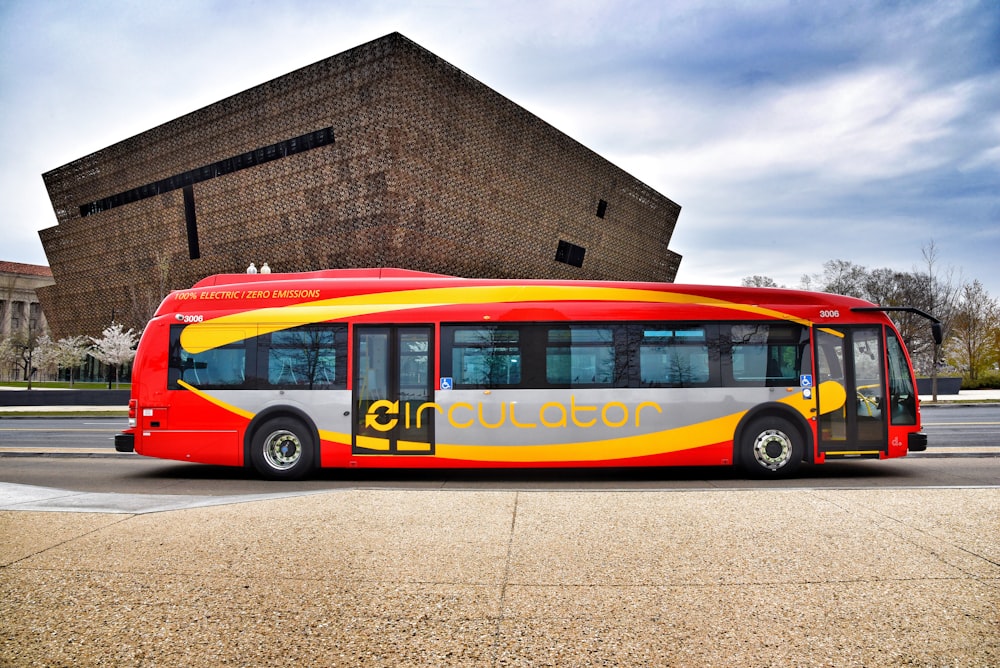
red, gray, and yellow bus

Electric Busses for the Win

Electric cars have been around for some time, now, with popularity growing as they become more accessible. Turns out, electric busses for public transportation are coming too, all over the place. The Mountain Rides Transportation Authority (MRTA) in Idaho will be welcoming four new electric busses this year, with the goal to have the entire fleet be electric by 2027. It’s estimated that once the project is complete, over 1000 tons of carbon dioxide will be removed from the air per year. 

New South Wales, Australia will also be welcoming electric busses to their fleet: 120 this year alone, starting in Sydney. Their plan is more ambitious: to switch the entire 8,000 bus fleet in the state to electric by 2030. Hamburg, Germany, will be adding more electric busses to their fleet over the coming years, too, along with Alexandria in Virginia, St. Louis in Missouri, and countless other cities around the globe.

The new year is already off on a running start, but no matter how weird this year gets, we’ll always have innovations and good ideas to look forward to.

Filed Under: Recent

My New Year’s Resolutions for the Planet

December 30, 2020 by Rayanne Piana Leave a Comment

New Year’s Eve has always been one of my favorite holidays. I love the way it always brings this moving combination of nostalgia and hope. On one hand, I enjoy looking back on the year to reflect on all the lessons that I’ve learned and the memories I’ve made. On the other hand, I love the way the new year gives us a collective sense of a new beginning – a chance to begin a new chapter and create the changes that will make next year better than the last.

After the whirlwind of a year that it has been, many of us are eager to leave 2020 and all its challenges in the past. Whether you’re entering 2021 with high hopes or a bit of uncertainty (for me, it’s a mix of both), it’s important to remember that we do have the power to create the change we hope to see in the new year. 

What if we shaped our New Year’s resolutions to not only make a positive impact on our lives but also on our communities and our planet? I’ve decided to do just that and I welcome you to join me!

How will you EAT BETTER in the new year?

Here at Planet Home, EAT is one of our main areas of focus because we understand that our food systems and dietary habits have a direct impact on the health of the ecosystem, our own health, and the economy, too. So in the new year, let’s choose to Eat Better by making healthier choices for ourselves and the planet. 

There are many actions we can take to eat more sustainably and eat healthier. Personally, a few resolutions I have include reducing food waste and eating plant-based more often. I’m not vegan (yet) but I have been making it a goal to eat plant-based more often, starting by skipping meat for a day a week, then skipping it for one meal per day. I’m looking forward to continuing that journey in the new year because it feels good to improve my diet’s impact on the environment, and my body also physically feels good after eating clean. 

What are some ways you will choose to Eat Better in 2021?

How will you MAKE BETTER in the new year?

MAKE is another one of our main areas of focus because the products we make and how we make them also have a direct impact on the planet.  This year we’ve seen many industries reevaluate the way they produce their products and the types of products they produce. For example, the booming market of plastic alternatives and big fashion brands introducing used clothing recycling programs.

My resolutions are to Make Better choices that help contribute to a circular economy. A few actions I’m taking are committing to shop secondhand, for items like clothing or furniture, whenever I need something and only shopping when I really need to. I also want to be more conscious of packaging by avoiding it as much as possible and seeking out brands that use compostable or biodegradable packaging. I also have a goal to avoid single-use items as much as possible. 

What are you going to Make Better in 2021?

woman browsing blouses on a clothes rack

How will you MOVE BETTER in the new year?

MOVE is another important area because the way we move through the world has an impact on the environment and our lifestyles, too. Luckily, innovations in technology and emission-free transportation have made it possible to Move Better with efficiency and a shrinking carbon footprint.

One thing that 2020 taught me and many others is that telecommuting can be an effective way get to work, school, or wherever you need to go. Due to lockdowns and social distancing orders, many of us have worked remotely, attended class from home, and even had virtual doctor appointments. Telecommuting has made it possible for us to safely stay connected with each other while also effectively reducing emissions created by traditional commuting. Although I can’t wait to connect with people in person as soon as it’s safe to do so, I want to continue discovering all the possibilities of virtual connections. I’m also making a resolution to walk and bike more often than I drive.

What will you do to Move Better in 2021?

How will you LIVE BETTER in the new year?

Last but certainly not least, LIVE is our fourth main area at Planet Home. It covers solutions that promote sustainable communities, renewable energy, biodiversity, and healthy atmospheric conditions. Thinking about ways to Live Better, not on the planet but with our planet, is a big question that leads to many possible solutions. 

Make a resolution to Live Better on our Planet Home, whether that means you will help improve atmospheric conditions by cutting your carbon footprint, transitioning your home to renewable energy, or making donations to organizations that help protect biodiversity and promote sustainability. 

Together, let’s make 2021 a year of positivity and change, and the beginning of a brighter future. Happy New Year from Planet Home!

Filed Under: Recent

How to Properly Recycle Electronics, Styrofoam, Batteries and More

December 23, 2020 by Sara Miranda Leave a Comment

From Styrofoam containers to batteries, there are several things that cannot be recycled through a personal recycling bin. “The vast majority of waste that cannot be recycled curbside in your blue bin is technically recyclable, it’s just not necessarily economically viable to do so,” says Alex Payne, a publicist at the private recycling company, Terracycle. 

So, how do these things get properly recycled? Several private businesses and organizations have created programs that accept these items, allowing them to reach facilities in which they can be processed into new materials. Before tossing your recyclables in the bin for the week, consider taking them to the organizations below. 

Target 

Target is helping customers do their part to help the environment through their recycling program. At the entrance of each store is a series of recycling bins. Each bin is designated to dispose of certain things. In fact, several of these bins allow for items to be disposed that cannot be recycled at home, such as electronics and ink cartridges. 

“In 2010, we launched a comprehensive guest-facing recycling program in our stores to bring our commitment to recycling out of the backroom and allow guests to be part of the process. We help guests recycle cans, glass, plastic bottles, plastic bags, ink cartridges, MP3 players and cell phones, making our recycling program one of the most robust in the industry,” a spokesperson for Target explains. 

Before making your next Target run, consider bringing your recyclables with you and placing them in the store’s complimentary recycling bins.

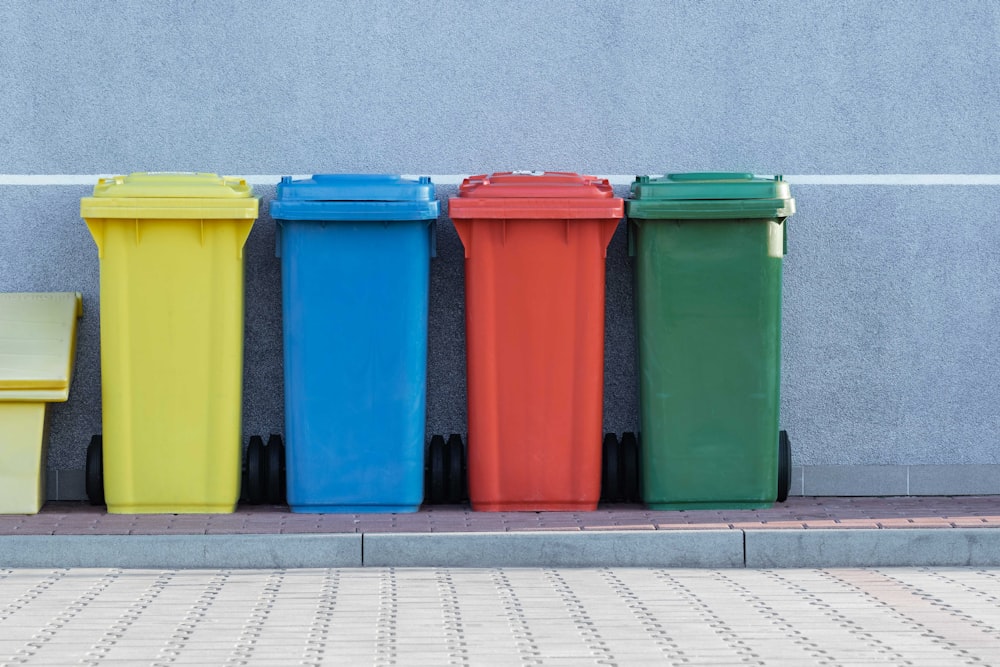
four assorted-color trash bins beside gray wall

Terracycle

Perfect for these socially-distanced times (or if you don’t live near a Target), Terracycle has an online recycling program that you can join from the comfort of your home. The private recycling company has partnered with several brands to create free, nationwide recycling programs. These programs were born from an idea that was the brainchild of Terracycle Founder and CEO, Tom Szaky. 

“TerraCycle’s free, brand sponsored recycling programs started in 2007 when Founder/CEO Tom Szaky pivoted away from vermicompost (the world’s first product made from and packaged entirely in waste) that initially established the company’s reputation. This shift came when Tom realized that he could make a larger impact by using product and packaging waste, deemed to have no value, to create new raw materials that could be sold to manufacturers to produce new products,” Payne tells Planet Home.   

From personal care products to balloons, a variety of products can be recycled through Terracycle’s program, and Payne says the registration process is relatively simple. 

“As a first step, participants can make an account on TerraCycle.com. Once signed up, they’ll be able to download collection materials, request UPS shipping labels, track their recycling progress, and in many cases, raise money for their favorite school or non-profit with every shipment. Some programs even offer collection locations where consumers can visit to drop-off waste for recycling.” 

Not sure if the products you’re looking to recycle are Terracycle recycling program participants? Check out Terracycle’s Free Recycling Programs page to see if your items qualify. 

sprite plastic bottle on table

Foam Facts

While Styrofoam is often the material of choice used to make carryout boxes for food delivery, it can’t be recycled at home. Many recycling facilities do not accept Styrofoam because it is lightweight. In order for Styrofoam recycling to be profitable, a whole lot has to be recycled, so the expenses to ship and process it can be covered as well. In a nutshell, it’s too expensive for recycling facilities to process Styrofoam. However, Styrofoam recycling drop off locations have been developing across the country, and the organization Foam Facts is helping Americans find out where. 

At the bottom of their homepage, the organization has a map that pinpoints all of the organizations in the United States that accept Styrofoam. On the upper left hand corner of the map is a search engine that allows you to type in your location. Once you enter your town’s name, the map will show you the organizations near you that can take your Styrofoam, and you’re set! Never throw your Styrofoam in the recycling bin at home. Instead, collect your Styrofoam in a bag that can be taken to a Styrofoam drop off location at a later date.  

litter signage

Call2Recycle

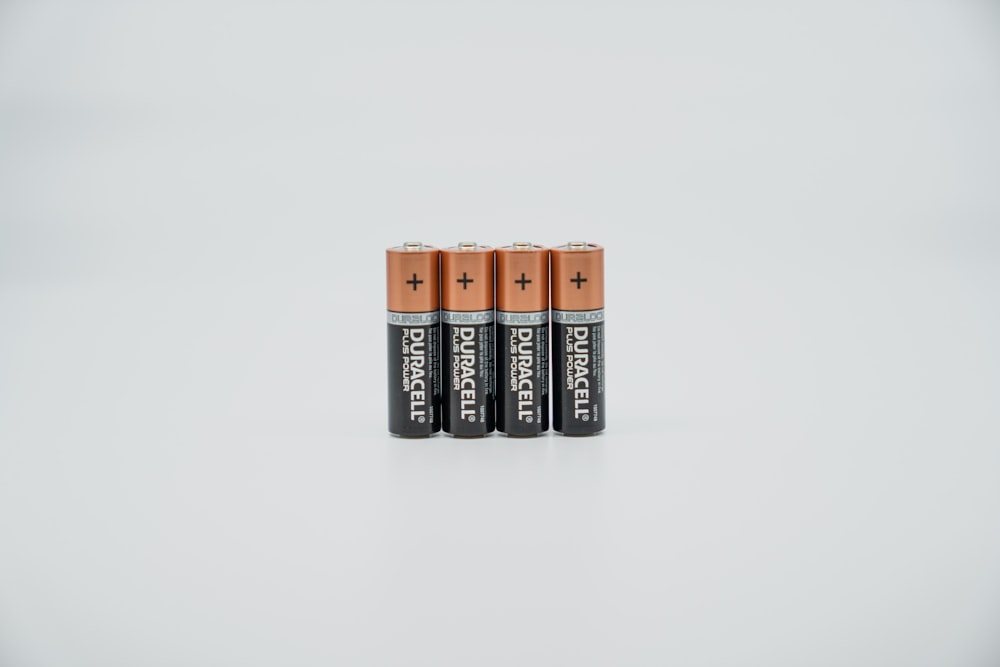
Batteries are always a no-go when it comes to knowing what cannot be recycled in your personal bin. For nearly three decades, Call2Recycle has spearheaded the efforts of recycling batteries.Call2Recycle hosts drop off locations where people can drop off their used batteries at a local business. Not so keen on heading to a store to drop off your batteries? Not to worry! Call2Recycle also sells boxes for those who wish to participate in their shipping program. For more information on Call2Recycle’s shipping program, head to their online store to learn more about the process.   

four Duracell batteries

Think Before You Toss

Before making your next rounds of recycling, ask yourself, “Can these things be thrown in my recycling bin?” If not, there are many organizations both online and in your community that will accept these items. Wherever your comfort level lies with heading into the outside world, these recycling programs make recycling possible from anywhere! 

Filed Under: Live, Recent Tagged With: recycling

  • « Go to Previous Page
  • Page 1
  • Interim pages omitted …
  • Page 39
  • Page 40
  • Page 41
  • Page 42
  • Page 43
  • Interim pages omitted …
  • Page 54
  • Go to Next Page »

Primary Sidebar

Recent Posts

  • PLANET HOME Announces $1 Million Tough Tech Prize at Inaugural Gala During Tough Tech Week
  • Planet Home and DataEnergy are solving the Green Computing Dilemma with Renewable AI Infrastructure
  • The Great AI Scale-Up: Balancing Compute Power with Planetary Boundaries
  • The Algorithm’s Bargain: Is AI Really for Good?
  • Code, Culture, and Creation: How AI is Remixing Entertainment’s DNA

Recent Comments

  • Liam Jacobs on Fricken’ Flying Taxis: The Future of Travel is Closer Than You Think
  • Izabella Bauer on The Pressing Plastic Problem
  • Broderick Ruiz on The Pressing Plastic Problem
  • Cherish Velez on The Pressing Plastic Problem
  • Anika Scott on The Pressing Plastic Problem

Archives

  • November 2025
  • April 2025
  • February 2025
  • January 2025
  • June 2022
  • April 2022
  • March 2022
  • February 2022
  • January 2022
  • December 2021
  • November 2021
  • October 2021
  • September 2021
  • August 2021
  • July 2021
  • June 2021
  • May 2021
  • April 2021
  • March 2021
  • February 2021
  • January 2021
  • December 2020
  • November 2020
  • October 2020
  • September 2020
  • August 2020
  • July 2020

Categories

  • AI
  • Community
  • Eat
  • energy
  • Featured
  • Live
  • Make
  • Move
  • Network
  • Press
  • Recent
  • Solutionist 100
  • Solutionists Making Moves
  • Solutions

Meta

  • Log in
  • Entries feed
  • Comments feed
  • WordPress.org

Design

With an emphasis on typography, white space, and mobile-optimized design, your website will look absolutely breathtaking.

Learn more about design.

TRENDING NOW

  • PLANET HOME Announces $1 Million Tough Tech Prize at Inaugural Gala During Tough Tech Week
  • Planet Home and DataEnergy are solving the Green Computing Dilemma with Renewable AI Infrastructure
  • The Great AI Scale-Up: Balancing Compute Power with Planetary Boundaries
  • The Algorithm’s Bargain: Is AI Really for Good?
  • Code, Culture, and Creation: How AI is Remixing Entertainment’s DNA

NEVER MISS A SOLUTION!

Sign up for our mailing list to stay up to date on planet saving solutions, news, and events from PLANET HOME!


BROWSE BY TAGS:

action carbon carbon emissions circular economy coronavirus eat education energy environment esg events fashion finance food green holidays industry lifestyle live make material science move music nature ocean oceans ocean stewardship planet plant-based plastic profile recycling s100 solutionist solutionists solutions sustainability tech technology tiktok transportation vegan waste water wildlife
Locations
Resources
Legal

Footer

Locations
Resources
Legal
  • Facebook
  • Instagram
  • LinkedIn
  • Pinterest
  • Twitter
  • YouTube
  • San Francisco
  • Los Angeles
  • New York
  • About PLANET HOME
  • Contact
  • Media
  • Employment
  • Terms of Use
  • Privacy Policy
  • Press

©2021 Planet Home. All rights reserved.
Use of and/or registration on any portion of this site constitutes acceptance of our User Agreement (updated 5/25/18) and Privacy Policy and Cookie Statement (updated 6/8/21) Your California Privacy Rights. The material on this site may not be reproduced, distributed, transmitted, cached or otherwise used except with the prior written permission of PH.

This website uses cookies to improve your experience. We'll assume you're ok with this, but you can opt-out if you wish. Cookie settingsACCEPT
Privacy & Cookies Policy

Privacy Overview

This website uses cookies to improve your experience while you navigate through the website. Out of these cookies, the cookies that are categorized as necessary are stored on your browser as they are essential for the working of basic functionalities of the website. We also use third-party cookies that help us analyze and understand how you use this website. These cookies will be stored in your browser only with your consent. You also have the option to opt-out of these cookies. But opting out of some of these cookies may have an effect on your browsing experience.
Necessary
Always Enabled
Necessary cookies are absolutely essential for the website to function properly. This category only includes cookies that ensures basic functionalities and security features of the website. These cookies do not store any personal information.
Non-necessary
Any cookies that may not be particularly necessary for the website to function and is used specifically to collect user personal data via analytics, ads, other embedded contents are termed as non-necessary cookies. It is mandatory to procure user consent prior to running these cookies on your website.
SAVE & ACCEPT