• Skip to primary navigation
  • Skip to main content
  • Skip to primary sidebar
  • Skip to footer
Planet Home

Planet Home

Culture Solutions

  • ECOSYSTEM
    • EAT
      • Food Security & Production
      • Land Stewardship
      • Ocean Stewardship
      • Health + Wellness
    • MAKE
      • Circular Economies
      • Green Manufacturing
      • Material Science
      • Regenerative Ecosystems
    • MOVE
      • Clean Transport
      • New Fuel Sources
      • Virtual Connections
      • Ecological Explorations
    • LIVE
      • Sustainable Communities
      • Biodiversity
      • Atmospheric Conditions
      • Renewable + Equitable Energy
  • VENTURE STUDIO
  • LABS
  • EVENTS
  • ARTICLES
    • Featured
    • Network
    • Press
  • Menu bars
  • COMPANY
  • VENTURE STUDIO
  • LABS
  • ABOUT
  • CONTACT
  • NETWORK
  • ECOSYSTEM
  • COMMUNITY
  • MEDIA
  • VIDEO
  • PHOTO
  • PRESS
  • Podcast
  • EVENTS
  • ALL
  • 2019 SUMMIT
  • 2017 SUMMIT
  • Terms of Use
  • Privacy Policy
  • Facebook
  • Instagram
  • LinkedIn
  • Pinterest
  • Twitter
  • YouTube

A Love Letter to Renewable Energy

A Love Letter to Renewable Energy

February 10, 2021 by Mahidhar Lakkavaram Leave a Comment

Dear Renewable Energy, 

Never in a million years did I think I’d be so interested in something as electrifying and ground-breaking as you. How is it that you cease to amaze me each and every day? Every time I check the news it’s hydro-electric airplanes or solar-powered toilets, how do you manage to do it every time? To surprise me with your cutting-edge research that can transform lives all across the world?

I still remember the first day I met you. My science teacher kept pointing to the sun and went on and on about how it can power the entire world if done right. Of course, I didn’t even glance at him as he blabbed, all I cared about at that point was whether or not I’d get the coolest pencil in the class.

But then, as I grew older, you started creeping up at the back of my head. Every time I saw something on the news, like that one hospital who lost 50-60 patients due to power outages, I always thought of you. Couldn’t you be the fix to all of this? Couldn’t you make sure that everyone everywhere had steady electricity 24×7? 

And so, from something at the back of my head, you became the only thing I could ever think about. I started reading articles about you, I talked to all my science teachers about how we could implement your various forms in our school, I tried to figure out different ways I could make you the best version of yourself too. You become the center of my eye. 
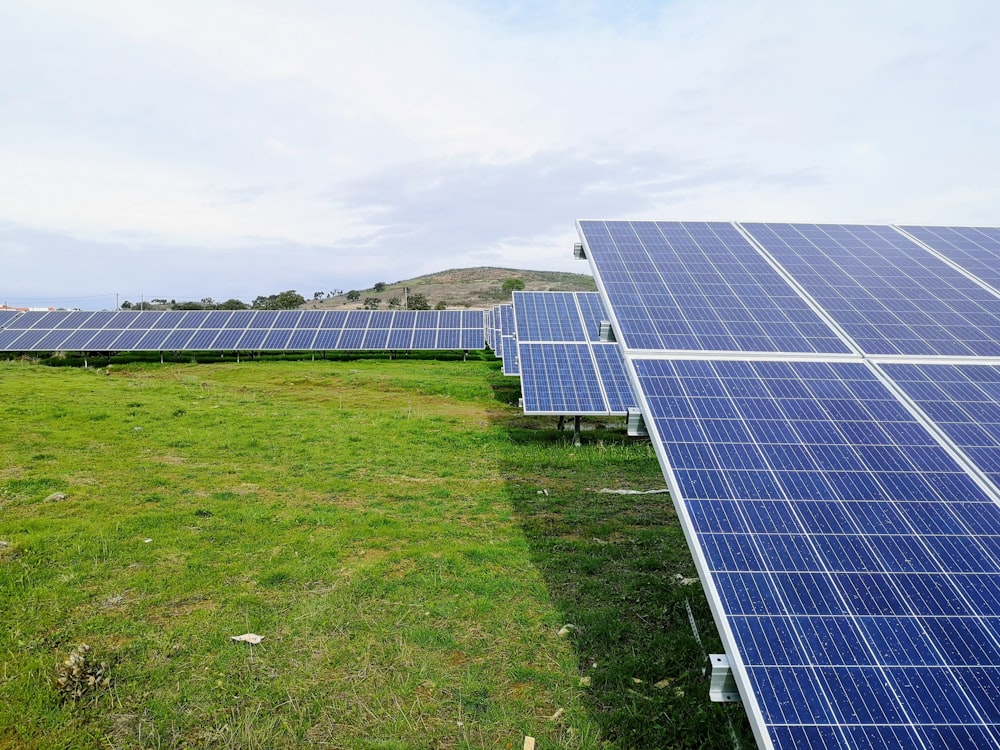
solar panels during daytime

And as you grew into my life, I realized, you’re all around me. You’re in the water I drink, the sun that hits my face everyday when I wake up, the earth beneath me. If we, as a world, could harness your true potential, there’s no telling how many problems we could solve. We wouldn’t need to worry about the depleting fossil fuels everyday, or the energy crisis we might be plummeting into. 

So thank you, thank you for bringing hope into a world that has only seen peril for the last few decades. Thank you for showing us all that there’s always a solution and that we just need to work our way up to it. You’ve made the impossible possible countless number of times and that has helped set us all on a path to fight these issues rather than lament them. And thank you, from my side specifically, for inspiring me everyday to push the boundaries of science and see how I can use your new forms to make the world a better place, to make sure that one day, no one ever needs to even think about a power cut ever again.

I know we still have a long road ahead of us, but as you change your forms everyday, the rest of us will try our best to see how we can use it to power something up. It’s time we, as a globe, learn to be more careful with how we use you. We’re going to do whatever we can to save you, like turning off all electrical appliances when we’re not using them and even making our processes less energy-intensive. We’re also going to push to use you wherever we can and spread awareness about why you’re the perfect fix to our energy crisis. And now, together, let’s give the world its energy back, one step at a time. 

With love,

Mahidhar

This love letter is part of Planet Home’s Valentine’s Day series. We asked our team to write an ode to a part of the world they feel connected to, and we hope this inspires you to appreciate all things big and small that make our planet feel like home.
Filed Under: Live, Recent Tagged With: holidays

4 Vegan Fashion Brands You Need to Know About

February 9, 2021 by Anton Rohr Leave a Comment

Once associated with slimy tofu alternatives and anemic tree huggers, the vegan lifestyle is going through a shift in popularity due to the advancement of vegan products and celebrity attachment. Adored icons such as Lizzo, Venus Williams, and Tabitha Brown have promoted both the diet and the lifestyle through social media. This has ignited an upward trend in veganism, especially for Gen Z and younger. 

In the fashion industry, non-vegan products, such as leather, are tied to environmental issues like deforestation, gas emissions, and water misuse due to the livestock needed. On top of these dirty side effects of non-vegan fashion, an increasing number of consumers prefer items produced in ways that are harmless to animals.

So, now that it’s cool to be vegan, you’ve got to look the part as well. I’ve prepared a short list of brands with vegan clothing products to help you get ahead of the upcoming non-dairy trends in fashion. 

Adidas

View this post on Instagram

A post shared by adidas (@adidas)

Adidas is a quintessential sports brand which has seen recent success by reviving retro styles that have me twinning with my dad. Classic styles such as the Stan Smith and Samba have vegan versions on their website, free of leather or suede and featuring recycled materials. If matching your parents isn’t your thing, Adidas also collaborates with iconic people and brands for more modern styles. Of both environmental and musical note, they have announced a collab with Willow Smith and Parley for the Oceans titled the “Futurecraft.Loop.” It is a 100% recyclable sneaker made from plastic that would otherwise be polluting the ocean. Cool, eco-friendly, and endorsed by an icon, what’s not to love? 

Rombaut

View this post on Instagram

A post shared by ROMBAUT (@rombautofficial)

The idea of veganness can oftentimes conjure up images of hippies, farm life, and angry activists, which when translated into fashion, makes for a style somewhere between Stevie Nicks and Reformation. However, the truth is that the vegan community is diverse in identity and personality. The brand Rombaut showcases this by creating edgy, exuberant, and eccentric shoes that fit into any avant-garde fashionista’s wardrobe. They do this all while keeping a sustainable and vegan ethos at the core of their brand. Rombaut recycles old textiles and features a vegan leather material in their shoes. Their products show that being cool and saving the planet are not mutually exclusive. 

Matt & Nat

View this post on Instagram

A post shared by MATT & NAT (@mattandnat)

From handbags and shoes to jackets and belts, leather is a key component in a lot of these stylish staples. Matt & Nat offers vegan versions of your favorite classy leather garments and accessories. They primarily use polyurethane plastic (PU) rather than PVC to make their leather as it has a decidedly smaller impact on the environment. Further closing their production loop, they also feature recycled nylons, cork, and rubber. Prioritizing durability and timelessness in their designs, Matt & Nat offer a smart vegan option for clothes with an extended lifespan. 

Doc Martens

View this post on Instagram

A post shared by Dr. Martens (@drmartensofficial)

If I am ever in the mood to add an edgy element to my outfit, feel taller, or cover my ankles in blisters, then I always reach for my docs. Their durable boots and shoes have become a staple, from hip teens to city girls braving a rainy day. Unfortunately, their hero product – the leather boot – relies heavily on bovine leather. But, on the bright side, in 2011 they introduced a vegan line of shoes using plastic-based vegan leather. The importance of their vegan line is that it offers almost identical alternatives to their bovine leather products, including the classics. This works to normalize vegan fashion and make it accessible, rather than having a different, specialty vegan line. Vegan docs show that you don’t have to switch up your wardrobe to go vegan. 

Protecting the planet with style doesn’t have to be through sustainable fashion brands with questionable tastes, just as dressing vegan doesn’t have to be limited to recycled denim and hemp seed bracelets. Between saving adorable animals to preventing deforestation and gas emissions, the reasons for turning your closet vegan are too great to ignore. Remember, every action matters, no matter how small, so even just incorporating some vegan garments into your wardrobe is a step in the right direction. And if you use this guide to do so, you’ll be looking better than even chocolate oat milk tastes. 

Filed Under: Make, Recent Tagged With: circular economy, fashion, material science, vegan

Planet-Friendly PPE: Startup Makes Biodegradable Face Mask

February 8, 2021 by Cassandra Townsend 2 Comments

Since the COVID-19 pandemic started last year, the world has become even more dependent on personal protective equipment. Before the pandemic, PPE was a thing of hospitals, dental offices, veterinarian offices, and laboratories. Now, they’re everywhere, and I think we’ve all seen gloves or a face mask on the ground in a parking lot. Luckily, companies are looking for solutions, including biodegradable face masks and reusable gloves. 

Environmental Impact of PPE

Face masks have been around since the late nineteenth century, and single-use started becoming popular in the 1930’s. Rubber gloves have been used since the late nineteenth century, too. Over one hundred years of use, and you can imagine how many masks and pairs of gloves have been thrown into the trash given their many uses in various fields. Those levels have just increased since the pandemic began. 

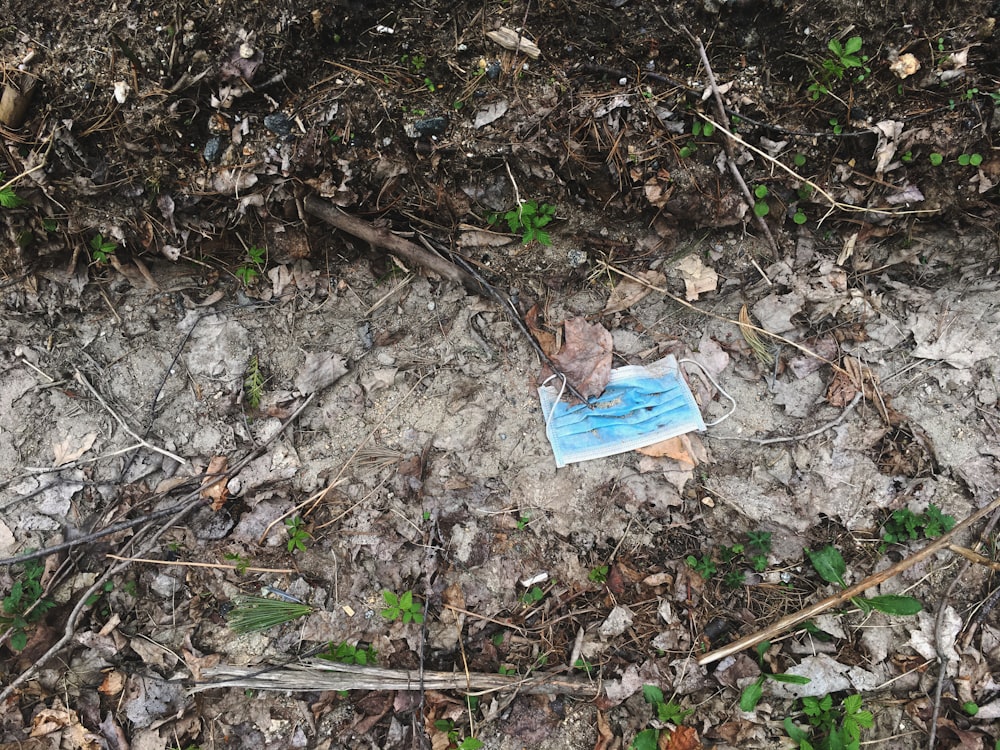
white paper on brown dried leaves

So far, it’s estimated the world uses 129 billion facemasks per month, along with 65 billion gloves. In some areas, that can be up to six times more than before the pandemic, such as in Wuhan, China. That’s just the tip of the iceberg on waste issues in response to the pandemic, but hopefully solutions will be widely available soon. 

Biodegradable Face Masks 

Geochanvre is a company based in France making face masks out of hemp. Specifically, there is a piece of hemp for filtering lined with corn starch. It even has a recyclable band. According to the company, it is efficient in filtering 98% of particles. So far, they’ve sold over 1.5 million masks, and you can even buy kits to assemble them yourself or just the hemp lining. You can buy them in packs of 50 or more, so you can team up with friends or family to buy in bulk

These masks are 100% biodegradable, with no plastics in them. Not only do they fully decompose, but they do it quickly: hemp decomposes in about six months with no toxic effects, and can be recycled. Plastic can take hundreds of years, and while it can be recycled, also release harmful chemicals when they do break down. 

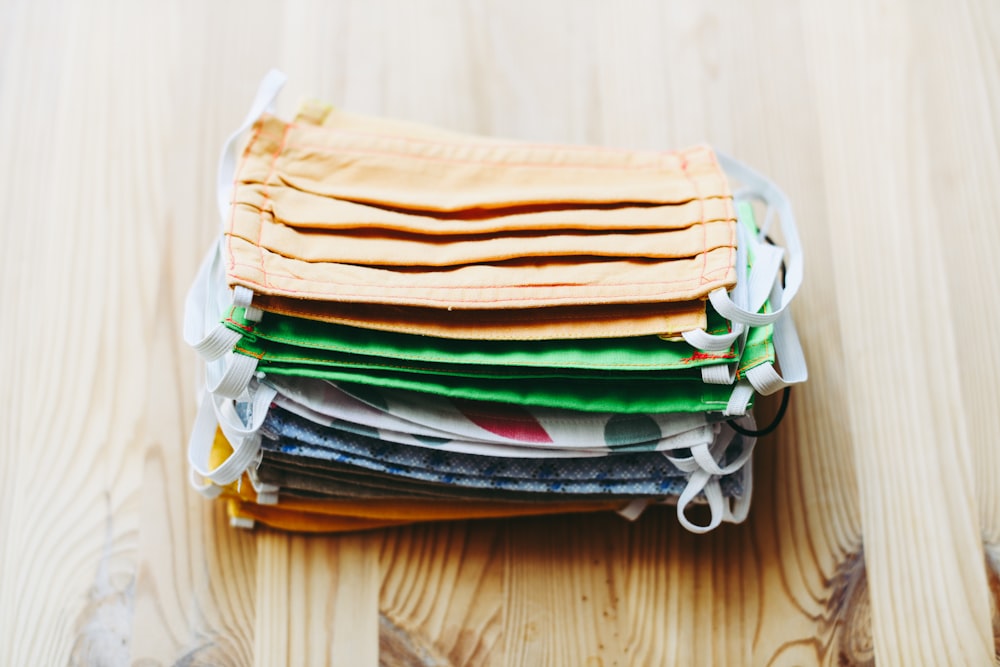
stack of white yellow green and blue textiles

Geochanvre isn’t the only company making biodegradable face masks, though. Change Plastic for Good has created a plastic-additive that is biodegradable and is using it to make masks. The additive, BDP, is added to the plastic during manufacturing. It attracts microbes to the plastic when its in a landfill, and then those microbes make it water-loving, attracting more microbes to help break it down. You can buy them in sets of three boxes at a time. 

Luckily, while these biodegradable masks are harder to get, you can still use the trusty reusable mask made of fabric. 

Recyclable Gloves

The ReGlove system makes gloves out of polyvinyl alcohol, or PVA, a polymer that is recyclable. Within the system, they are dissolved, sterilized, and remolded all within a single machine. The dissolution of the material is important: liquids are easier to sterilize by autoclaving, a sterilization machine common in all labs. 

The goal is to create a circular system to help decrease medical waste from gloves. Not only will it help reduce waste, it will also decrease transportation of new gloves and medical waste, which will help decrease emissions. Currently, the system is in the proof-of concept phase, meaning it’s not available yet, but they are working on making it more efficient. 

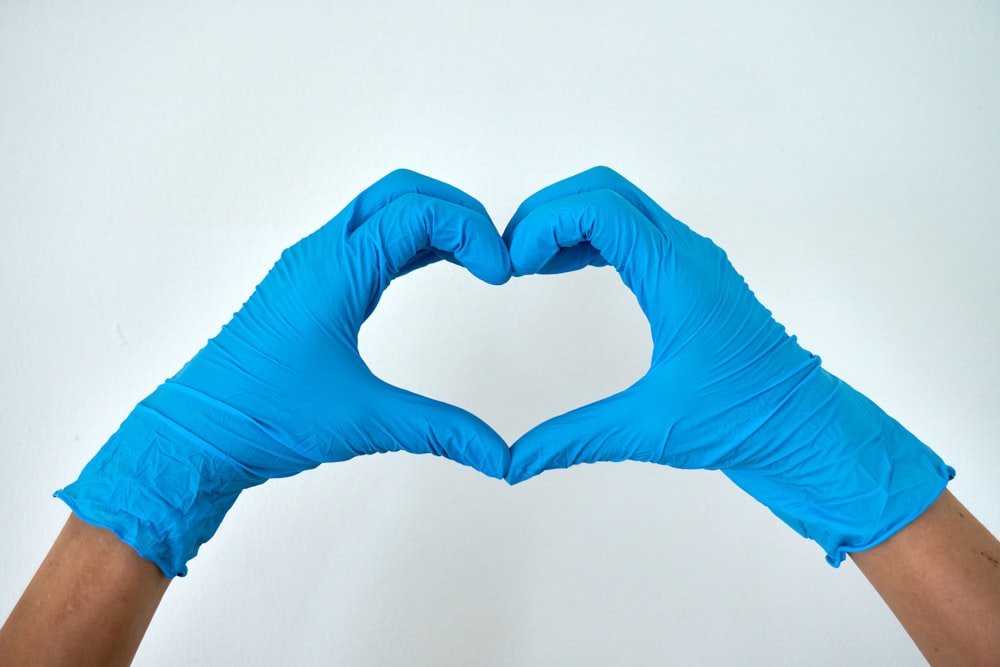
person in blue pants lying on white surface

In the meantime, Showa has created a 100% nitrile biodegradable glove that is packed in recycled materials. It uses Eco-Best Technology, which speeds up biodegradation, like the BDP mentioned above, through attracting microbes which help break it down faster. Unfortunately, they are on back-order or limited to bulk order, but you can buy them from Black Box Safety when they are back in stock. 

Personal protective equipment is never going away, even after the pandemic ends. There will always be medical waste, and the associated environmental costs. With solutions like the hemp mask and ReGlove system though, we can decrease the impact and make being healthy more environmentally friendly. 

Filed Under: Make, Recent Tagged With: coronavirus, material science

Impossible Burgers and Beyond: How meat substitutes stack up against the real deal

February 8, 2021 by Glenn Banish Leave a Comment

Regardless of race, creed, or cultural background, the vast majority of us were raised as meat eaters. Like many of yours, my parents followed the traditional Western diet: One portion of meat, one portion of veggies, and some kind of grain. “Now, go do your homework!” 

Speaking of homework, raise your hand if you remember the food pyramid. If you’d like a good laugh, take a look at how much bread, cereal, rice, and pasta they thought we should eat every day (Hint: it’s the base of the pyramid). Until First Lady Michelle Obama replaced the food pyramid with My Plate in 2011, the US government and our schools were teaching us to load up on carbs and eat more animal products than fruits and veggies. There’s no wonder why so many of us struggle with our eating habits. 

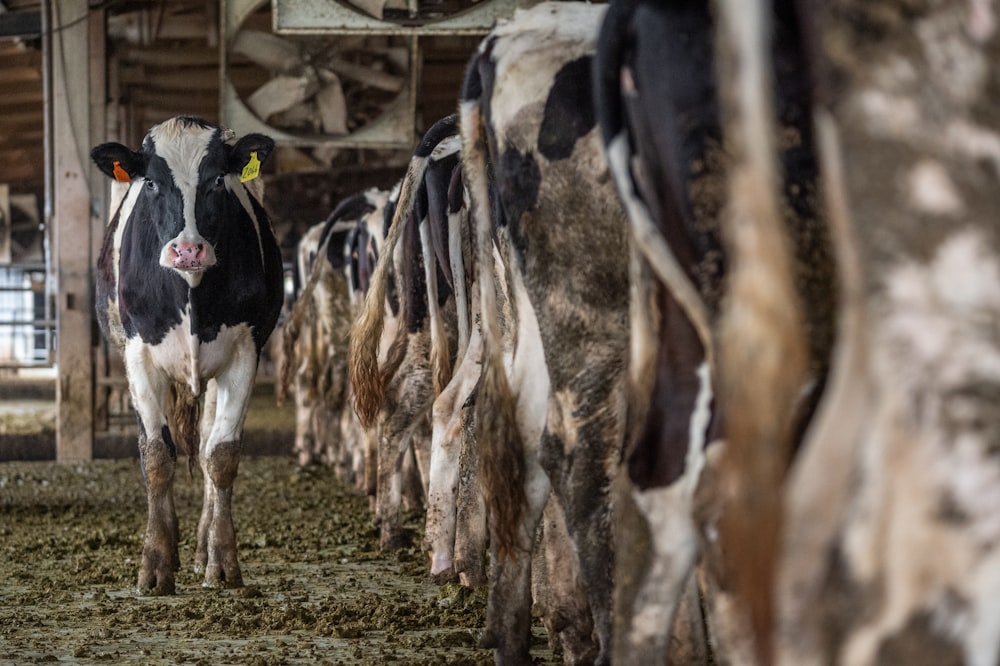
The point is that the diets of our ancestors are ingrained in our psyche. The difference between our generation and that of our parents and grandparents is the staggering amount of meat being produced, consumed, ingested, and wasted every single day. Until the introduction of factory farming in the 1960’s, the meat market was based off of locally sourced farmers and fisherman. Now, 99% of animals used for food spend their entire lives on factory farms, crammed into filthy cages, being pumped full of antibiotics and growth hormones.

It is entirely normal, even for the most hardened vegan veteran to crave a juicy cheeseburger or their mother’s spaghetti and meatballs. Now, with the advent of meat substitutes such as Impossible Burger and Beyond Beef, there are delicious, healthy, sustainably sourced alternatives that resemble those foods we used to know and love.

An Appealing Alternative

Developing substitute chopped meat, burger patties, sausages and more, companies like Impossible Foods and Beyond Meat have truly transformed the plant-based space. Many of us have tried the black bean burgers, mushroom steaks, cauliflower chicken wings, and tofu balls. Some of these products are delicious and some are dreadful (I’m talking to you, mushroom steaks), but none of them truly mimic meat. 

Image result for beupmd meat

Unlike meat substitutes of the past, these products look, feel, smell, and taste exactly like the real thing with none of the negative effects. Not only are they free of antibiotics, GMO’s, and cholesterol, they are packed with all the minerals and nutrients we expect to get from animal meat. 

Years ago, my wife and I decided to make a concerted effort to eat less meat. Living in central Florida, the only meat substitutes available to us at this time were in the frozen food section. While these products tasted great, the differences between a frozen black bean burger and a real hamburger were night and day. In addition, like most frozen foods, these products are often packed full of sodium as well as chemicals that provide these goods with a longer shelf life. 

Upon the introduction of meat substitutes such as Impossible Foods and Beyond Meat, I, like many of you, was sceptical. What is it, exactly? Why does it look like meat? Is this too real? The second I tried one of Beyond’s brats, all of those questions went away. It was delicious. 

Oh, and you know that post-barbeque gut-bomb that leaves you bloated, groggy, and regretting that second sausage? Non existent! Incorporating these products into my diet has helped me eat less meat, which has done wonders for my health as well as my conscience. 

Why Eat Less Meat

The factory farmed and processed meats that fill most of our grocery stores can lead to a variety of chronic health issues such as diabetes, heart disease, and cancer. These farms are often poorly maintained, serving as breeding grounds for Salmonella, E. coli, and other dangerous pathogens. From their filthy living conditions to the chemicals they are injected with, we ingest all the abuse inflicted upon these animals.

black and white cow on green grass field during daytime

Even with the knowledge of how most of our meat is produced, it can still be difficult to cut it out of our diets. According to the Mayo Clinic, consuming just two meatless meals a week could drastically reduce your risk of chronic illness. Substituting these two meals with plant-based proteins such as an Impossible or Beyond burger will be more affordable than meat and contain more health benefits. In addition to having positive impacts on your personal health, eating less meat is also good for the environment. 

Meating the demand

Meeting the demand for meat around the world requires a tremendous amount of energy and natural resources. This has led to massive deforestation to make room for more factory farms, destroying even more wildlife in the process. Nearly 60% of the world’s arable land is dedicated to livestock production, half of which is used to grow food for farm animals. 

worms eye view of forest during day time

Between the fuel used throughout the factory farming process and the natural gasses emitted by the animals themselves, the production of meat is one of the top offenders affecting the planet. According to the Food and Agriculture Organization of the United Nations, livestock such as cattle, pigs, and chickens, represent 14.5 percent of the entire planet’s greenhouse gas emissions. 

How you can help

With more delicious, realistic meat substitutes hitting the shelves, there is a real opportunity for the world to scale back on the production of meat products and shrink this sector’s carbon footprint. Meat production and consumption will never be eradicated from the earth, but it can and must be moderated for the wellbeing of ourselves and our planet.

If you are a meat eater, buy from local, independent farmers and hunters. Avoid purchasing factory farmed goods, and try a meat substitute a few nights a week. They are as good for you as they are delicious. I swear!

If you are a vegan or vegetarian, try tricking (or talking to) your carnivorous friends into trying an Impossible Burger or some Beyond Sausages at your next cookout. Also, make sure the food you’re eating is safely produced and sustainably sourced. Just because it’s not meat, doesn’t mean it’s good for you.

For nutritional facts, recipes, and information on where to find these meat substitutes, be sure to visit the Impossible Foods and Beyond Meat websites.

As always, stay tuned to Planet Home to learn more ways in which you can eat more sustainably. 

Filed Under: Eat, Recent Tagged With: food, plant-based

10 Things that Give Us Hope for 2021

February 6, 2021 by Antony Randall Leave a Comment

Much like coal, 2020 was dirty, non-renewable, and had a major impact on our planet. Although we could make a long list of the unfortunate events of 2020, the year did put a lot of pressure on the world to become more thoughtful about the way we live. This pressure planted the seeds of exciting planet-friendly trends, products, and events that will turn the coal of 2020 into the diamond that is (hopefully!) 2021. (And hopefully we make coal a thing of the past, too, with renewable alternatives while we’re at it.)

We have compiled a list of our top 10 environmental happenings that give us faith in the year ahead, in hopes that it sparks the fire in you to take action and keep your spirits up. 

#1: Increased Sightings of Endangered Species 

Over the years, we’ve seen multiple species go extinct due to human involvement in their natural habitats. However, after a series of expeditions last year, scientists have been able to spot larger numbers of them and bring in hope for their future survival rates. In the South Georgia islands, scientists have seen 55 blue whales last year, which is far more than the two spotted 50 years ago in that same location. Even the Elephant Shrew, which was thought to be extinct, was rediscovered and found thriving in the Horn of Africa. 

#2: Cleaning up the “Plastific” Ocean 

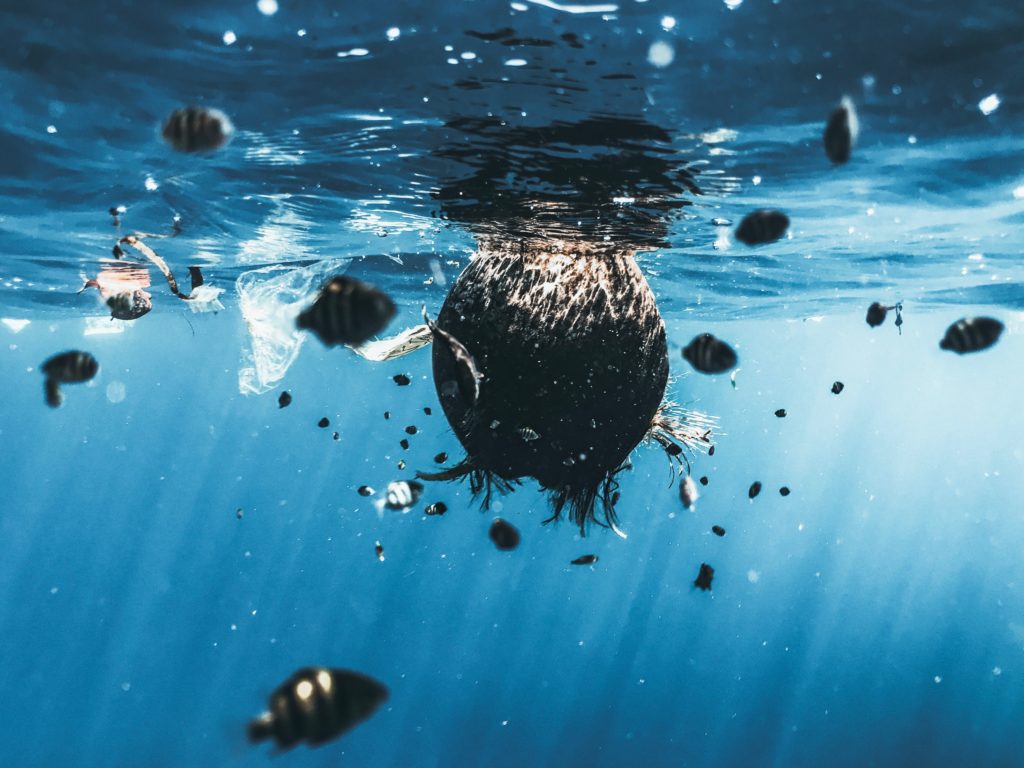
The Pacific Ocean has around 80,000 tons of plastic floating in a giant patch called the Pacific Trash Vortex. Boyan Slat, founder of Ocean Cleanup, installed a series of devices that control ocean currents and push the trash into tighter areas for easier extraction. In 2020, the initiative recycled and made sunglasses out of the plastic collected, and the profit made from selling these glasses can be used for cleaning up almost 24 football fields worth of plastic from the ocean, making the ocean much cleaner in the years to come.

plastic floating among fish in the ocean

#3: Countries Across the Globe Are Pulling Their Green Socks Up

Countries around the world are implementing strategies to reduce the impact humans have had on the planet. In Spain, the government has made plans for carbon-neutrality by 2050 and will invest 27 billion euros into clean energy. Japan and China, two of the world’s largest coal-reliant countries, have pledged to become net-zero, with Japan planning to have net-zero emissions by 2050 and China to achieve carbon neutrality by 2060. With all these plans being implemented, we’re paving the way to a greener and cleaner future, one step at a time.

#4: Green Hydrogen v. Carbon Dioxide

Green hydrogen is being used in order to eliminate CO2 in processes and to balance CO2 levels in the atmosphere. In 2020, it was predicted to replace 25% of the world’s CO2. Taking heed of this, multiple nations are trying to implement this power system to make their processes greener. In Sweden, 10% of CO2 emissions are from steel production. Last year, they planned to implement a green hydrogen-based manufacturing unit by 2026 that extracts steel without the use of any coal, thereby reducing and almost eliminating any CO2 emissions. 

#5: Nature-Friendly Regenerative Farming 

In 2020, the Mayhew family implemented a farming model that corrects the food production system by reviving corroded soils and removing artificial fertilizers and pesticides completely. It helps set a precedent for planet-friendly farming and provides other farms with pathways to do this themselves as well, hopefully bringing in a larger number of nature-friendly regenerative farms. For example, they replant hedges to stop erosion and even plant clovers on their arable fields, which are “nitrogen-fixing” plants that use the nitrogen from the atmosphere and put it in soil, forming a free fertilizer and soil-improver.

#6: Going Online: Fashion Shows in the Digital Sphere

Covid-19 put a crimp in haute couture’s style. With in-person gatherings outlawed, the fashion industry had to adapt its shows to fit within the new guidelines 2020 brought. With innovative ideas like Moschino’s marionette fashion show, the digital format was the most popular. The environmental impact of fashion shows was greatly reduced due to this shift to the digital by cutting out traveling and flight emissions. The innovation and adaptation of the fashion industry shown will carry into 2021 and makes room for fashion traditions to be reexamined and made more sustainable. 

#7: Green Leadership

As the green movement builds momentum, 2021 seems to be on the precipice of high-level change. Group leaders across the United States are starting to make major steps in making positive impacts on the planet. Through the new administration, the country has rejoined the Paris Climate Agreement and aims to achieve a 100% clean energy economy with net-zero emissions by 2050. Biden has also made environmental history by creating a team of climate-focused appointees. Deb Haaland is to lead the Interior Department, Jennifer Granholm to be the energy secretary, Michael Regan is set to run the EPA, Brenda Mallory will direct the Council on Environmental Quality, and Gina McCarthy will lead the new White House Office of Climate Policy. Empowering the local communities and grassroots groups through action made on larger scales makes for a promising year ahead of us. 

#8: Sustainable Packaging 

The pandemic has sharply increased online shopping which comes with a large issue of waste. Plastic, cardboard, and styrofoam are common packaging materials that are also pollutants and mostly single-use in this field. The expansion of online orders has prompted a renaissance of packaging to become more sustainable. One new idea is the reuse method where a company sends a higher quality container the first time the smaller refills after that. There are also developments of biodegradable materials for packaging, like mycelium, to close the loop on packaging.  

#9: Renaissance of Plant-Based Fast Food Options 

The extent to which vegetarians and vegans alike have been able to say “I’m lovin’ it” has been kept short to fries for decades. However, the past few years brought a rebirth of vegetarian and vegan options at fast-food chains. Burger King introduced the Impossible Whopper, Carl’s Jr. has Beyond burgers, Del Taco has Impossible ground meat, and even Dunkin’ and Starbucks have Impossible-based breakfast sandwiches, to name a few. 2021 continues this trend with products like McDonald’s McPlant line. Their move to include plant-based options will pressure others to make vegan options more accessible. 

#10: Environmental Art-ivists

From the ashes that the pandemic left the world in, rose a movement of using art to re-examine our relationship with nature. One example of this is a collection Luke Rudman did in partnership with Greenpeace Africa in which he created sculptures on the human body using only plastic pollution found along South Africa’s coastline. Artist Bordalo II also uses “garbage” to create pieces that are a commentary on our over-production and consumption. This artistic movement is spilling over into 2021 and serves as a compelling source of inspiration to continue our fight for a better future for our planet.

As we step into the new year, we know that the future seems unpredictable but we hope that these 10 positive initiatives keep you optimistic for all that there is to come. It is important to keep faith in the impact of your actions and not get discouraged in the movement. Just like the diamond we’re hoping 2021 will be, Rihanna put it best when she said “shine bright” as this coming year is sure to be full of environmental innovation and excitement.

Filed Under: Recent

An Expert’s Opinion on Animal-Free Fashion (Interview with Kym Canter, CCO)

February 6, 2021 by Vanessa Shepherd Leave a Comment

Sustainable fashion is charging forward in creating animal-free alternatives to fur and leather. The processes of producing commercial fur and leather are disastrous for the environment; not to mention the ethical concerns regarding animal rights. Considering this, fashion executives have spent decades searching for viable alternatives that avoid the issues associated with animal materials.

The biggest hurdle in this initiative? For years, the only available alternatives to fur and leather were made of synthetic fibers derived from fossil fuels, making them arguably worse for the environment than the “real thing” — Until now. Through a groundbreaking collaboration between technology and nature, the fashion industry is producing animal-free materials that maintain the qualities of fur and leather without the negative environmental impact.

Although these processes are fairly new, some brands are already incorporating animal-free alternatives into their products. One such brand is House of Fluff: This New York City based brand is focused on providing luxurious animal-free products, created in uniquely sustainable ways. I was lucky enough to speak with House of Fluff’s founder Kym Canter about her brand’s initiative, as well as the fashion industry’s shift towards sustainable & vegan materials — and she had a lot of valuable insights to share.

A Uniquely Chic Mission

As a former fur fanatic herself, Kym Canter shared with me that in 2016 she experienced a change in her ethics regarding fur. She began searching for an animal-free alternative that would give her the same feeling of beauty & warmth, without harming the environment. Unfortunately, she found that this didn’t exist in the mass market. Her solution?

“I decided I would make something for myself.”

Kym Canter, Founder & Chief Creative Officer of House of Fluff

Kym’s friends loved her animal-free fur, and asked her to make coats for them as well. In her search for a viable alternative, Kym found an entire market of consumers who wanted the same thing — and so, House of Fluff was born.

In the three years since House of Fluff began, the brand has been making big moves in vegan fur and leather alternatives, most recently the launch of their own BIOFUR™. Created by Kym herself in collaboration with textiles experts, BIOFUR™ is treated with special additives that actually allow the garments to biodegrade completely at the end of their life.

Kym emphasized that in creating House of Fluff, “It wasn’t just about the animal welfare pillar, but it was also about sustainability…and not bringing more wasteful product into the world”.

House of Fluff creates products that last, allowing them to be passed down and valued through generations; but this “upstream solution” ensures that no extra waste is created, should the garments end up in a landfill or the ocean.

From House of Fluff’s BIOFUR™ collection

Why Bio-Based is Better

In addition to avoiding excess waste, bio-based alternatives to fur and leather also have the potential to save millions of animals per year from being slaughtered for their skins. While this is good news for animals, it’s also good news for the environment, because factory farms generate an enormous amount of pollution. Most of this pollution is related to animal waste: Animals on factory farms produce 130x as much waste as the entire human population! This animal manure flows into waterways, seeps into the soil, and releases tons of greenhouse gases like ammonia and methane into the air.

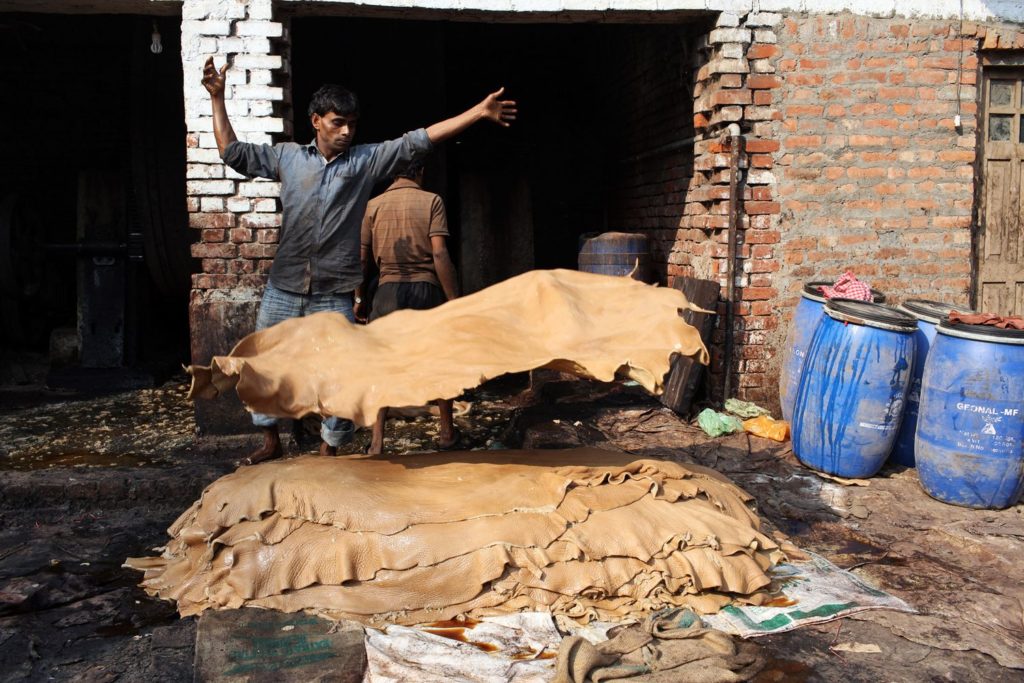
The leather industry is particularly pollutive, considering that leather tanneries use toxic materials to turn raw animal hides into toughened leather. This process requires an insane amount of water: In Bangladesh alone, it’s estimated that 7.7 million liters of wastewater are produced through leather production every year. The contaminated wastewater from tanneries runs into natural waterways across the planet, many of which are sources of drinking water. This toxic runoff causes massive pollution, permanently damaging miles of water & soil and causing serious health issues for people who work in or live near the tanneries.

Some Promising Alternatives

Bio-based alternatives like Piñatex® pineapple leather, Desserto® cactus leather, and Mylo® mushroom leather are created in sustainable ways, avoiding the gross decaying of the planet associated with animal materials.

Piñatex® is leather made from pineapple leaves, which are a by-product of the pineapple harvesting process. Therefore, this material actively avoids tons of agricultural waste by turning the discarded pineapple leaves into a new material.

This idea of utilizing existing resources is also at the core of Desserto® cactus leather, since the cactus is the most naturally abundant plant in Mexico. House of Fluff recently released a collection of jackets made from this material, as cactus leather is light & flexible enough to be made into garments.

Mylo® mushroom leather is also (literally) rooted in sustainability. It is made from mycelium, the durable mushroom root system which has fed and held together our soil for billions of years.

From House of Fluff’s cactus leather collection

These three materials are considered the frontrunners of the animal-free initiative, but there are many other promising materials in the works. For example, lab-grown leather allows brands to produce the exact amount of material needed for a product — therefore creating zero waste.

When Kym and I discussed this genius breakthrough, she explained, “Right now it’s very expensive…It’s not really ready to come to market in any kind of mass way, but I think that when it is, it will be a huge, huge game-changer.”

While the shift away from unsustainable synthetic alternatives is still in its beginning stages, bio-based alternatives have the potential to completely change the fashion industry.

Is Animal-Free The Future of Fashion?

Many fashion executives believe that animal-free alternatives are absolutely the future of fashion — and Kym believes that they’ll eventually replace real fur and leather. However, an essential part of this process is educating the consumer. For generations, the powerful fur and leather industries falsely advertised their materials as “natural”, and created the idea that owning these expensive animal skins made a person higher up in society. Fur and leather were wrongly placed on a pedestal; so today it’s important that consumers know the true cost of their fur and leather purchases.

Fur and leather are NOT “natural.”

While animal skins alone are a natural material, the process of turning the skins into garment textiles is anything but. Furs and leathers are processed using dozens of artificial chemicals to prevent them from biodegrading naturally, and the pollution caused by these chemicals destroys nature itself.

Fur and leather are NOT more sustainable than other alternatives.

The bio-based alternatives created today are far more sustainable than real fur and leather. Simply leaving animals out of the equation makes a huge impact, since livestock agriculture produces 14.5% of the world’s total greenhouse gas emissions. Using existing plant materials also avoids excess waste, and many bio-based leathers use natural, non-pollutive chemicals & dyes.

Owning fur and leather is NOT a symbol of status.

This may seem obvious today, but because of this outdated attitude, society treated all “faux” furs and leathers as worthless. Perhaps that’s why all animal-free alternatives relied on unsustainable fossil fuels for so long. Thankfully, today there are many more sustainable options — and a more conscious consumer to sell to.

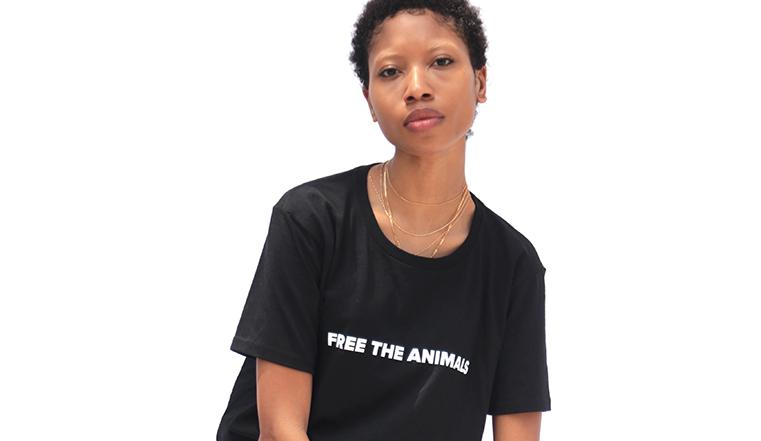
From House of Fluff’s FREE THE ANIMALS™ collection

A New, Educated Consumer

As younger consumers gain more spending power, they are also demanding more information and transparency from brands about the environmental impact of their products. These consumers didn’t grow up thinking that fur and leather were symbols of status, like previous generations — In contrast, many of us saw fur and leather through the lens of animal activists, who stand against these industries. These are the conscious consumers driving the spread of sustainable alternatives; because according to Kym, this demand is “a huge incentive for companies to seek out these materials.” Through individual action, we can make great change.

  • Show your demand for fur-free: This automatic email generator tells top retailers that you don’t support their use of animal fur.
  • Support brands that sell animal-free alternatives: Here’s a list of brands selling eco-friendly fur products (including House of Fluff!), and another list of brands using sustainable vegan leather.
  • Be aware of false advertising regarding sustainability, or “greenwashing”: Check out this article to learn more about greenwashing.
  • Spread the word: Tell your family & friends about these groundbreaking materials!

By continuing to create and popularize sustainable alternatives to animal-based materials, we can eliminate the complicated web of pollution that comes with them. As Kym points out, bio-based materials are going to be a huge game-changer in the fashion industry and beyond; and once this technology is available to a wider range of consumers, the impact of animal-free alternatives will be bigger than anyone could possibly predict.

Filed Under: Make, Recent

  • « Go to Previous Page
  • Page 1
  • Interim pages omitted …
  • Page 36
  • Page 37
  • Page 38
  • Page 39
  • Page 40
  • Interim pages omitted …
  • Page 54
  • Go to Next Page »

Primary Sidebar

Recent Posts

  • PLANET HOME Announces $1 Million Tough Tech Prize at Inaugural Gala During Tough Tech Week
  • Planet Home and DataEnergy are solving the Green Computing Dilemma with Renewable AI Infrastructure
  • The Great AI Scale-Up: Balancing Compute Power with Planetary Boundaries
  • The Algorithm’s Bargain: Is AI Really for Good?
  • Code, Culture, and Creation: How AI is Remixing Entertainment’s DNA

Recent Comments

  • Liam Jacobs on Fricken’ Flying Taxis: The Future of Travel is Closer Than You Think
  • Izabella Bauer on The Pressing Plastic Problem
  • Broderick Ruiz on The Pressing Plastic Problem
  • Cherish Velez on The Pressing Plastic Problem
  • Anika Scott on The Pressing Plastic Problem

Archives

  • November 2025
  • April 2025
  • February 2025
  • January 2025
  • June 2022
  • April 2022
  • March 2022
  • February 2022
  • January 2022
  • December 2021
  • November 2021
  • October 2021
  • September 2021
  • August 2021
  • July 2021
  • June 2021
  • May 2021
  • April 2021
  • March 2021
  • February 2021
  • January 2021
  • December 2020
  • November 2020
  • October 2020
  • September 2020
  • August 2020
  • July 2020

Categories

  • AI
  • Community
  • Eat
  • energy
  • Featured
  • Live
  • Make
  • Move
  • Network
  • Press
  • Recent
  • Solutionist 100
  • Solutionists Making Moves
  • Solutions

Meta

  • Log in
  • Entries feed
  • Comments feed
  • WordPress.org

Design

With an emphasis on typography, white space, and mobile-optimized design, your website will look absolutely breathtaking.

Learn more about design.

TRENDING NOW

  • PLANET HOME Announces $1 Million Tough Tech Prize at Inaugural Gala During Tough Tech Week
  • Planet Home and DataEnergy are solving the Green Computing Dilemma with Renewable AI Infrastructure
  • The Great AI Scale-Up: Balancing Compute Power with Planetary Boundaries
  • The Algorithm’s Bargain: Is AI Really for Good?
  • Code, Culture, and Creation: How AI is Remixing Entertainment’s DNA

NEVER MISS A SOLUTION!

Sign up for our mailing list to stay up to date on planet saving solutions, news, and events from PLANET HOME!


BROWSE BY TAGS:

action carbon carbon emissions circular economy coronavirus eat education energy environment esg events fashion finance food green holidays industry lifestyle live make material science move music nature ocean oceans ocean stewardship planet plant-based plastic profile recycling s100 solutionist solutionists solutions sustainability tech technology tiktok transportation vegan waste water wildlife
Locations
Resources
Legal

Footer

Locations
Resources
Legal
  • Facebook
  • Instagram
  • LinkedIn
  • Pinterest
  • Twitter
  • YouTube
  • San Francisco
  • Los Angeles
  • New York
  • About PLANET HOME
  • Contact
  • Media
  • Employment
  • Terms of Use
  • Privacy Policy
  • Press

©2021 Planet Home. All rights reserved.
Use of and/or registration on any portion of this site constitutes acceptance of our User Agreement (updated 5/25/18) and Privacy Policy and Cookie Statement (updated 6/8/21) Your California Privacy Rights. The material on this site may not be reproduced, distributed, transmitted, cached or otherwise used except with the prior written permission of PH.

This website uses cookies to improve your experience. We'll assume you're ok with this, but you can opt-out if you wish. Cookie settingsACCEPT
Privacy & Cookies Policy

Privacy Overview

This website uses cookies to improve your experience while you navigate through the website. Out of these cookies, the cookies that are categorized as necessary are stored on your browser as they are essential for the working of basic functionalities of the website. We also use third-party cookies that help us analyze and understand how you use this website. These cookies will be stored in your browser only with your consent. You also have the option to opt-out of these cookies. But opting out of some of these cookies may have an effect on your browsing experience.
Necessary
Always Enabled
Necessary cookies are absolutely essential for the website to function properly. This category only includes cookies that ensures basic functionalities and security features of the website. These cookies do not store any personal information.
Non-necessary
Any cookies that may not be particularly necessary for the website to function and is used specifically to collect user personal data via analytics, ads, other embedded contents are termed as non-necessary cookies. It is mandatory to procure user consent prior to running these cookies on your website.
SAVE & ACCEPT