• Skip to primary navigation
  • Skip to main content
  • Skip to primary sidebar
  • Skip to footer
Planet Home

Planet Home

Culture Solutions

  • ECOSYSTEM
    • EAT
      • Food Security & Production
      • Land Stewardship
      • Ocean Stewardship
      • Health + Wellness
    • MAKE
      • Circular Economies
      • Green Manufacturing
      • Material Science
      • Regenerative Ecosystems
    • MOVE
      • Clean Transport
      • New Fuel Sources
      • Virtual Connections
      • Ecological Explorations
    • LIVE
      • Sustainable Communities
      • Biodiversity
      • Atmospheric Conditions
      • Renewable + Equitable Energy
  • VENTURE STUDIO
  • LABS
  • EVENTS
  • ARTICLES
    • Featured
    • Network
    • Press
  • Menu bars
  • COMPANY
  • VENTURE STUDIO
  • LABS
  • ABOUT
  • CONTACT
  • NETWORK
  • ECOSYSTEM
  • COMMUNITY
  • MEDIA
  • VIDEO
  • PHOTO
  • PRESS
  • Podcast
  • EVENTS
  • ALL
  • 2019 SUMMIT
  • 2017 SUMMIT
  • Terms of Use
  • Privacy Policy
  • Facebook
  • Instagram
  • LinkedIn
  • Pinterest
  • Twitter
  • YouTube

Which Diet Trend is *Actually* Good for You?

Which Diet Trend is *Actually* Good for You?

February 25, 2021 by Catherine O'Connor Leave a Comment

The beginning of every year, right after the feasting end of year holidays, is when you see the commercials and ads for various diets, gyms, and lifestyle changes as people make (and then usually break) their New Year’s resolutions.

Some of the most popular and most talked-about diet trends right now are keto, paleo, pescatarian, and veganism. Maybe you’ve heard of these trends, maybe you haven’t. Either way, we’re going to dive into them one by one!

Please note that you should always speak with your doctor or nutritionist before making any drastic changes to your diet and lifestyle, but we hope this will help you cut through the clutter of options out there right now.

KETO

The keto diet trend is probably the most criticized diet trend. There is the joke that when on keto, people only eat meat and cheese and that is not a healthy diet. The keto diet trend is a high-fat, low-carb, low-sugar diet where the body is forced to burn fat, rather than carbs. Therefore, meat and cheese are perfectly acceptable foods to be eating when on keto. However, going keto does have health risks, including low blood pressure, kidney stones, constipation, nutrient deficiencies, and increased risk of heart disease. 

Why go keto? 

When on keto, your goal is to achieve ketosis, which is a natural metabolic state that can be achieved by following a keto diet. While keto dieting can cause low blood pressure, for people with high blood pressure it can actually help them regulate.

Additionally, it is possible to obtain many high-fat items from plants, including nuts and avocados, which is definitely a plus for the environment. By eating more plant-based foods, which are hopefully locally grown and sourced, you are shrinking your carbon footprint by avoiding the emissions created by livestock agriculture and the long-distance transporation of food. 

However, some sources have reported that the keto diet has negatively impacted the agriculture industry or the earth as a whole because if enough people were to eliminate wheat and grains from their diet, the entire agriculture economy would crash. Grains are not only great for consumption, but they are also incredibly important when it comes to producing other crops. Additionally, most meat sourced in the US is not sustainable and eating a keto diet consisting heavily of meat is contributing to an inefficient and unsustainable production system.

PALEO 
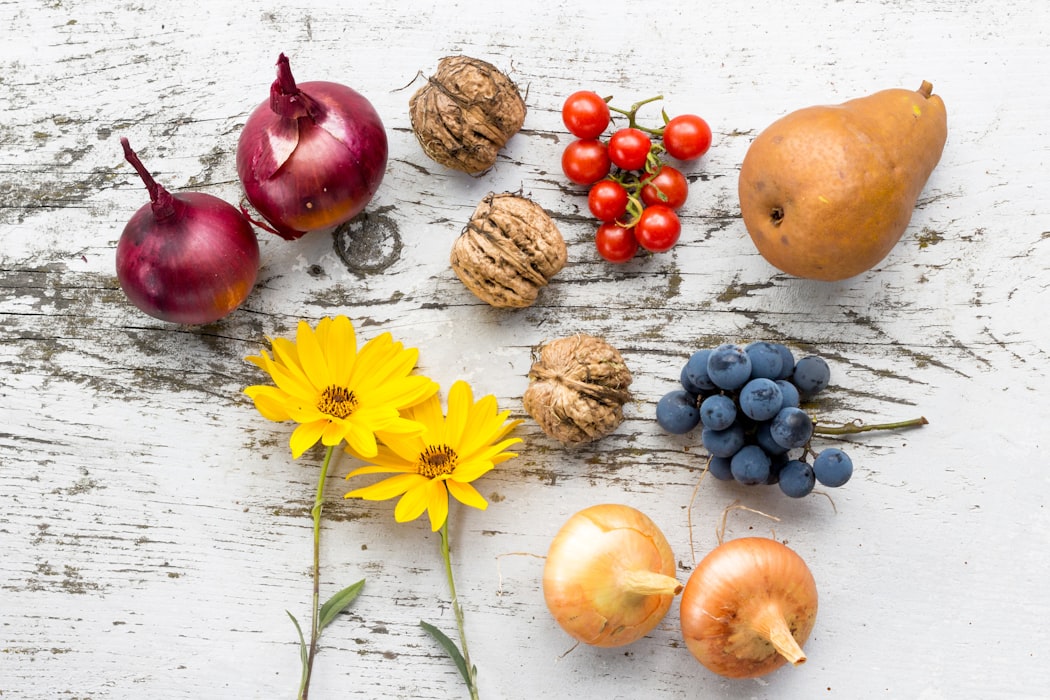
The paleo diet is meant to resemble what human hunter-gatherers ate thousands of years ago. Essentially, this diet consists of eating whole foods like vegetables, meats and fruits. Several studies have reported that the paleo diet can result in overall health improvements. The paleo diet is great when it comes to avoiding things like processed foods and sugar. 

Why go paleo? 

The main goal of going paleo is to return to the way of eating more like what early humans ate. Many people who go paleo believe our bodies are meant to digest those things so it will improve their health. Two of the main risks when going paleo is a lack of grains which provide energy and can be good for your health as well as the lack of carbs being inefficient fuel for your body, especially if you are an athlete or very active. 

While paleo dieting is very nutrient-dense, it can actually increase your environmental footprint quite drastically depending on where you are getting your food from. When certain fruits and vegetables are not in season locally, they are often imported and that creates a huge carbon footprint. Like keto, when eating even locally sourced meat, it is often produced unsustainably.

PESCATARIAN
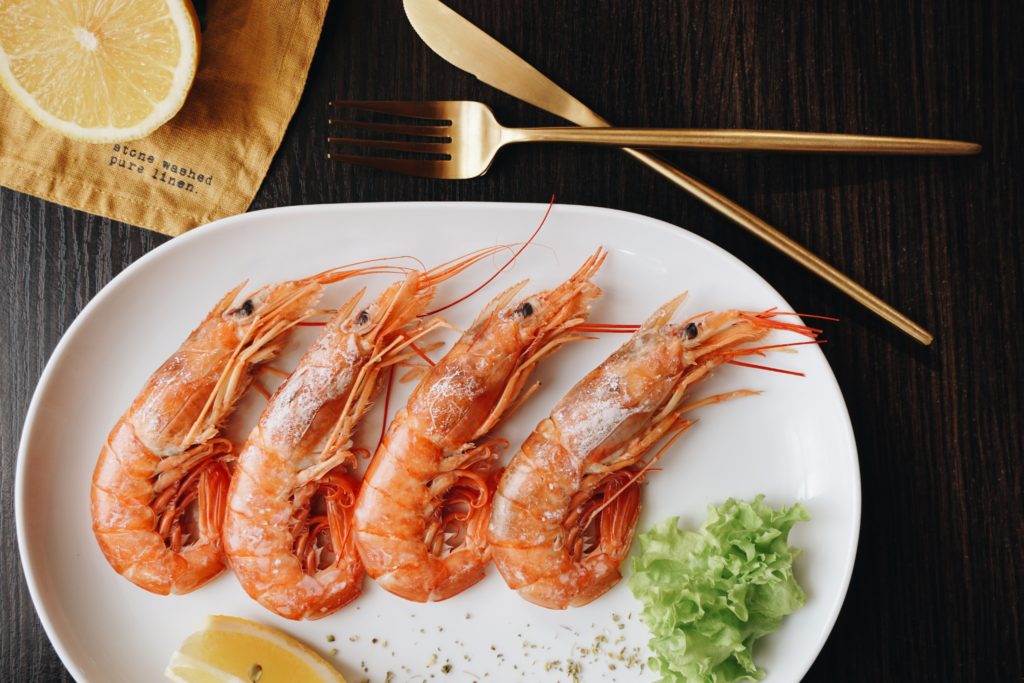
cooked prawns on a plate

A pescatarian diet involves anything that is not an animal product with the exception of seafood. To better explain, a pescatarian diet is essentially a vegetarian diet but with the addition of seafood which helps when it comes to consuming enough protein. By eliminating meat, pescatarians have the health benefits of lower blood pressure and less risk of heart disease. By adding fish to their diet, pescatarians also get the benefit of healthy omega-3 fatty acids and vitamins such as B-12 and zinc which support the immune and nervous systems. However, there is the risk of causing damage to water ecosystems from overfishing and waste.

Why go pescatarian?

The main reason people choose a pescatarian diet is that eating seafood can prevent nutritional deficiencies many vegans face. Health benefits include lower blood pressure and lower risk of abnormal heart rhythm or heart attack. Versus going vegetarian, pescetarians are able to consume more protein through fish which can give active people more fuel and energy they need.

The main difference between lower blood pressure in a pescatarian diet versus a keto diet is with a pescatarian diet, you’d want to eat very clean foods and with keto you can eat processed foods. One is not necessarily better than the other overall in that respect, it’s just about preference and personal health benefits.

From an environmental perspective, however, pescatarian diets can reduce your carbon footprint, depending on where you are sourcing your fish from. Compared to land based protein sources, fishing involves a much lower emission cost. However, overfishing, or unsustainable fishing, can be a huge problem that negatively impacts marine ecosystems and you want to make sure you’re not replacing one problem with another!

VEGANISM

sliced fruits and vegetables

A vegan diet is one that consists of mostly plant products, as the goal is to avoid animal products entirely. However, a big risk with going vegan is becoming B12 deficient, among other things, because of a lack of nutrients and protein that mainly come from meat or other animal products. When going vegan, there are different recommendations on supplements you’d need to better fuel your body, so you might want to check with your doctor first before going vegan to make sure it is safe for you. This is something to consider when comparing diets such as keto, veganism and paleo.

Why go vegan?

Many people chose to go vegan because of the health benefits, including lower blood pressure and cholesterol.  In addition to health benefits, many people go vegan because of the environmental benefits. One source stated that going vegan could be the single biggest way to reduce your environmental impact on earth by eliminating your carbon footprint in relation to meat and dairy products. According to the USDA, 80-90% of US water consumption is dedicated to agriculture. It takes 477 gallons of water to produce one pound of eggs. These statistics alone should make anyone feel ethically immoral, but so many of us continue to eat meat and dairy products because going vegan, as a concept, seems too hard.

A lesser commitment but still a very effective way to help eliminate your carbon footprint in relation to meat and dairy products is called the veganuary challenge. This challenge involves going vegan for the month of January. In January 2021 over 500,000 people participated in this challenge which was a 25% increase from 2020. 

Another lesser commitment to veganism is aiming for one vegan meal a day or a few vegan meals a week. This is something that I personally practice, because every decision and action makes a difference! By eating one plant-based meal a day for a year, you could save almost 200,000 gallons of water and the pollution equivalent to roughly 3,000 miles driven in your car. That is a great call to action!

Final Things to Consider

Before making any drastic changes to your diet, I definitely recommend speaking to your doctor first. When making a drastic change to your diet, it is important to consider what is going to be best for your lifestyle. Whatever your choice, know that by eating better, you can make a positive impact on your health and the planet, too! 
Filed Under: Eat, Recent

Should We Eat Less Beef?

February 18, 2021 by Antony Randall Leave a Comment

There are small actions anyone can take every day to make a positive impact on the planet and in their life, too. One such action is the choice to eat less beef, whether that means cutting it out entirely or simply substituting beef for a different protein a few times a week. We’re here to tell you why you should consider eating less beef, both for the environment and your health. Both of us have experience cutting beef from our diets, and we hope our personal stories on making the switch will help you decide what’s best for you.

Beef is Butchering Our Planet

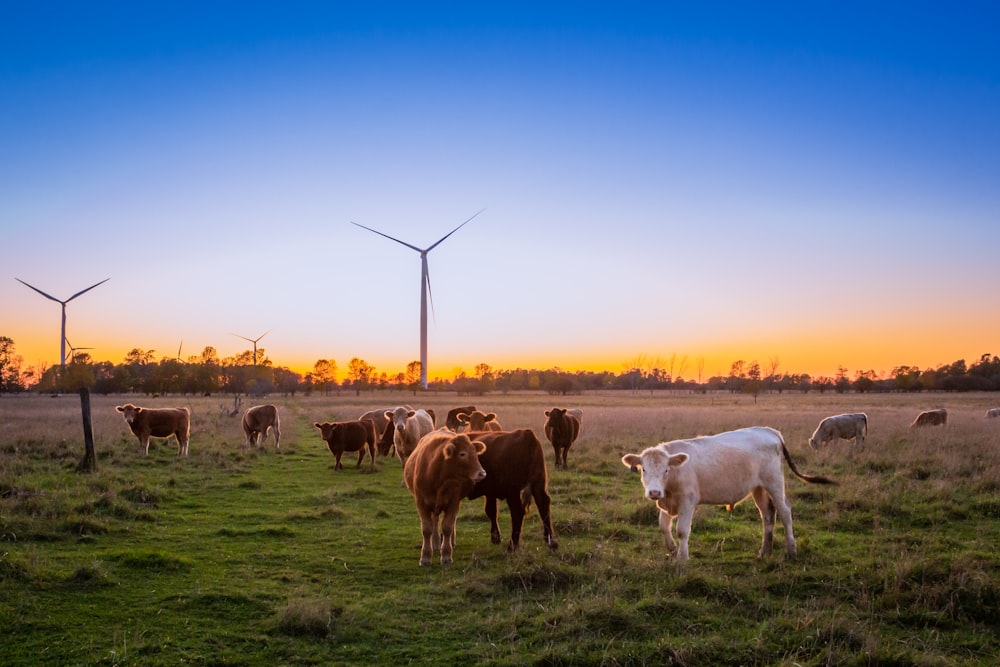
Reducing the amount of beef you eat can have a significant impact on the environment. Thirty percent of land not covered by ice is used for animal agriculture, most of it dedicated to raising cattle. Animal agriculture is responsible for 260 million acres of U.S. forest being cleared, and beef production alone is responsible for a whopping 80% of the Amazon Rainforest deforestation.

Overgrazing from livestock and over planting of crops to feed the animals has made livestock farming one of the leading causes of global soil erosion. Mistreating the soil like this harms natural ecosystems, and it will eventually cause dramatic changes to climate patterns if we don’t make an intentional effort to stop clearing land at such a rapid rate. 

herd of cow in grass field during daytime

It is estimated that 18% of global greenhouse gas emissions come from the livestock industry. The Meat Eater’s Guide to Climate Change and Health reports that beef causes much higher greenhouse gas emissions than other proteins: Precisely double the emissions as pork, four times as many as chicken, and thirteen times as many as vegetable proteins. Much of these emissions come from animal waste: Livestock produce an estimated 500 million tons every year! This animal excrement releases a host of harmful substances into the atmosphere; and much of it flows freely into waterways and soaks into the soil, causing massive pollution.

Eating Less Red Meat Can Help You Live Longer

Did you know that eating less red meat (beef, pork, lamb) can actually help you live longer? A recent study by the Harvard School of Public Health found that by replacing just one serving of red meat per day with vegetables, nuts, or whole grains, your overall risk of mortality could go down as much as 19%. 

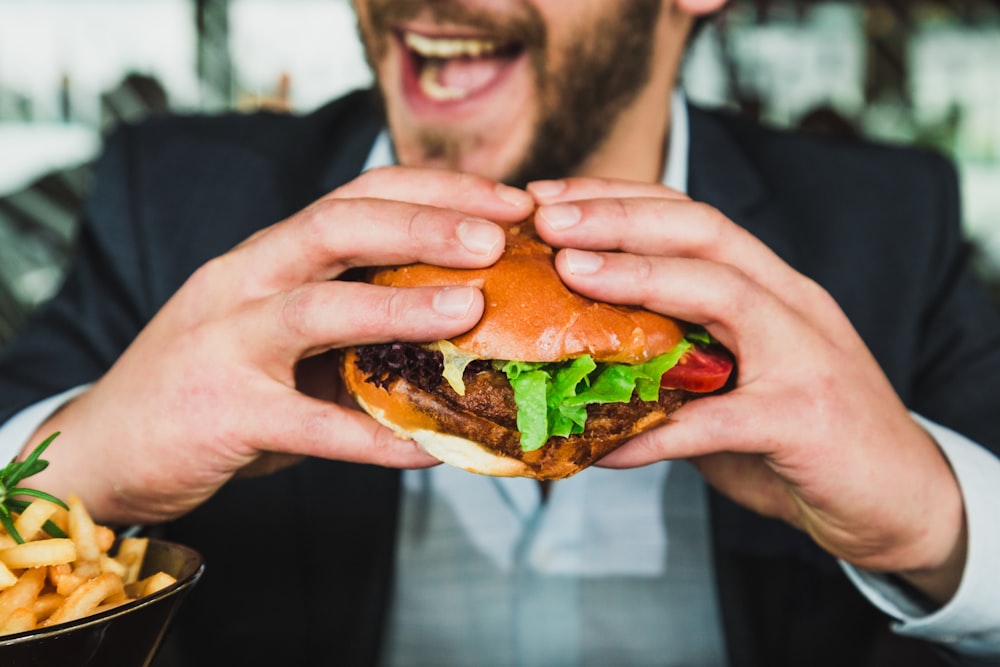
person holding burger bun with vegetables and meat

The beef with red meats — especially processed meats like hotdogs and bacon — is that they are high in fatty acids, which cause an increase in cholesterol. This cholesterol can cause blockages, and increase your risk of heart attack. Many medical studies have proven that eating red meat increases the risk of cardiovascular disease, cancer, and other serious health issues.

By reducing or even eliminating your consumption of red meat, you can avoid these issues and more while still maintaining a well-balanced diet.

Our Experiences Cutting Out Beef

Vanessa

About two years ago, I decided to cut out red meat in an attempt to help my persistent acne. While there isn’t a ton of research supporting the connection between acne and red meat, I had seen several testimonies from people on social media who swore by it. After years of trying to figure out my skin issues, I was down to try anything. 

Over time, I saw improvement in my skin overall. I confirmed that red meat was a contributing factor when I studied abroad a year later and started eating beef and pork regularly again — and my acne flared up noticeably. When I returned to the U.S., I went back to no red meat (with the exception of a few special occasions). Now, my acne is essentially gone. Of course, cutting out red meat is not the only thing that cleared up my skin, but it definitely made a difference. And after another year of substituting red meat for other proteins, I definitely notice that I feel healthier and more energetic overall.

Aimee

As a freshman in high school, I began having chronic stomach pain and I could not pinpoint a cause. It was frustrating to not be able to understand what would make my stomach feel better, but I began experimenting with removing certain foods to see if my condition improved. Finally, I tried removing beef and found that it actually was causing a significant amount of my stomach pain. After I stopped eating beef, I felt much better in day-to-day life and discovered that I had a stomach condition known as Gastroparesis. This condition is one of many that can be controlled by reducing your consumption of beef.  While I can’t speak for everyone, cutting out beef made me feel healthier and happier. At this point, I don’t even notice it missing from my life!

Taking Red Meat Off The Menu

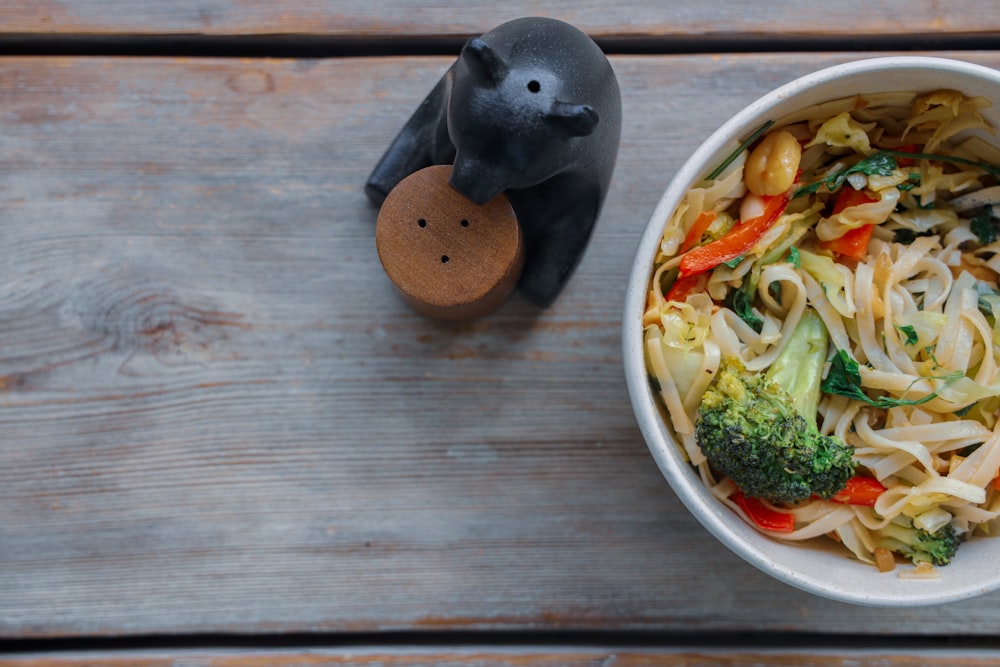
There are many delicious, healthier alternatives to eating beef. Replacing beef with chicken can cut your dietary carbon footprint in half. Plant-based alternatives such as tofu and tempeh can further help to reduce your carbon footprint and improve your health. For the lowest amount of greenhouse emissions, turn to foods such as beans, lentils, and chickpeas, which contain significant amounts of protein while being extremely healthy for you and the planet. There are plenty of delicious ways to eat less beef or even meat free.

white ceramic bowl with vegetables and meat dish

Transitioning to a reduced meat or meatless diet can seem daunting, but it’s easier than you think! Here are some strategies to help you decrease your red meat consumption: 

  • Start small by swapping out a few meat-based meals per week with plant-based alternatives. A popular strategy is participating in “Meatless Mondays” or choosing one day per week to not consume any meat.
  • Shop smart! Check out this article to learn how to eat plant-based on a budget, and stay tuned for more of the Planet Home team’s favorite plant-forward recipes.
  • Map out your meals with meal prepping. Preparing meals ahead of time keeps you on track with your nutrition goals and saves you more time in the long run.

As always with dietary changes, listen to your body. Talk to your doctor if you have any concerns about cutting out beef or meat in general. If you do choose to eat red meat, make sure to finish your plate so that all the resources that went into producing your meat didn’t go to waste. While cutting out beef completely is not for everyone, substituting it for healthier alternatives is something we can all consider trying. You might find that your body thanks you for it, and the planet will, too!

Filed Under: Eat, Recent Tagged With: eat, food, plant-based

Make the most out of spring cleaning with these resale sites

February 12, 2021 by Halimat Olunlade 5 Comments

Spring is coming, and with it comes major wardrobe changes. As the world grows greener and more refreshing, the time for sundresses and bright sweaters, and the strong urge to clean out the old to make space for the new begins to rear its transformative head. But the weight of what to do with the old clothes just sitting in your closet doesn’t disappear when you choose to throw them away. 

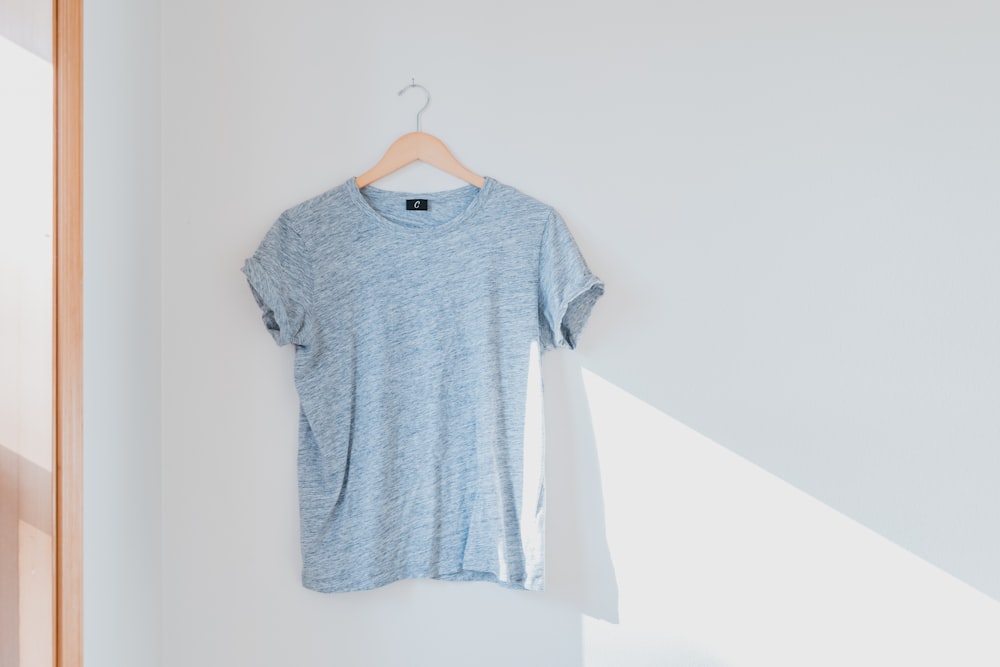
Textile waste is a huge problem. According to the Environmental Protection Agency, 17 million tons of old clothes wound up in landfills in 2018. These clothes can take up to 200+ years to decompose—releasing greenhouse gases into the atmosphere and leaking toxic dyes and chemicals into the soil for over two lifetimes. These clothes also take an immense amount of energy and resources to make: the average cotton shirt requires 2,700 liters of water—that’s enough to keep you or me hydrated for almost 3 years!

hanged grey shirt on white wall

So what should we do come spring cleaning time? 

The perfect solution would be to stop buying. Reducing our want to consume and investing in versatile, ethically made clothing would also reduce our need to throw clothes away. But while this is a perfect idea in theory, we can’t free ourselves from the influences of consumerism in one day. We aren’t perfect, and that’s okay. Trends and people change just like the seasons, and while the best course of action would be to buy less and more ethically, sometimes all we want is a fresh start. Giving our old clothing new life through reselling, where sustainably-minded fashion lovers can exchange their old (but still wearable) clothing for cash, is the next best option. There are tons of physical and online stores that exist just for this purpose, providing sellers platforms to present their items on and buyers a wide selection of pre-loved clothing to choose from. These stores, websites, and apps especially make reselling old clothes fairly easy, and each have their own unique features and setbacks. So whether you’re trying out a new look, looking to make some extra cash, or are just looking to clean out your closet; here are some sites that’ll turn your old clothes into cash. 

1 U.S.A dollar banknotes

Depop

Likely the most well-known clothing resale site out there, Depop gives users full control over the whole resale process. On the Depop app and website, users can create profiles and develop their “brand” as both sellers and buyers. Sellers post listings, determine the prices, and describe their items in a format similar to Instagram while potential buyers browse the site, like, and comment on items that catch their eye. There’s no separation between sellers and buyers on Depop, and each user’s likes are made public to display their personal style. Because of this, Depop sales are very image-driven and the work of promoting each item online is up to the seller. Though it’s free to list clothing on Depop, the site takes 10% of the profits of any sale and gives sellers the option to pay out of pocket for shipping or leave the cost of shipping up to the buyer. 

Poshmark

Like Depop, Poshmark also gives users the ultimate deciding power when it comes to their listings. Through Poshmark, sellers can post their listings for buyers to browse and determine the price of each item themselves. Unlike Depop, Poshmark’s interface looks more like an online department store than a social media app—with more specific search criteria and a wider range of items to sell (users can sell unused beauty and home products as well as clothing). There is also a Poshmark app, making the seller’s job of taking pictures and posting listings easier while allowing users more access to the thousands of pre-loved items on the site. Poshmark users can also use the profits made from their sales to buy items listed on the site. Buyers can still like and comment on each item on the Poshmark website, and when a sale is made, Poshmark takes $2.95 out of the profits for sales under $15 and 20% of any sales exceeding $15. 

With both Depop and Poshmark, shipping is up to the seller, making it their responsibility to package and send items to their buyers. For those of us with a less than satisfactory knowledge of how postal services work; finding boxes, printing labels, and sending them off to their new owners seems like a lot of work. There’s also no guarantee that items will sell, so it could take weeks or even months to reap the fruit of your labor on sites like these. Other resale sites make the selling process easier by acting as the middleman between buyer and seller, and may even pay upfront for items but often take more commission. Some examples are:

Material Wrld

Likely the most strict of all the sites listed, Material Wrld makes closet cleanouts easier by sending users a free trade-in kit to load their clothes into and assessing and pricing the clothing themselves. Though only taking certain brands, Material Wrld pays users for the clothes they accept through store credit, a prepaid debit card valid for use in other stores, or cash through Paypal at 85% of the listed price. Users never have to worry about shipping or wait for items to sell, and can even choose to donate non-resellable items to Housing Works, an NYC-based nonprofit. 

thredUP

thredUP also grants users the freedom to sell their old clothes without having to worry about shipping or setting prices. Users order free kits to send their old clothes in and the site assesses and prices the items according to their trendiness and quality. Items in good condition are then listed for sale on the website, while the rest are sent to textile recycling plants. thredUP pays you upfront for newer or trendier items, eliminating the need to wait for a sale. For out of season or older items, users are paid when they are bought by other users, and thredUP takes anywhere from 20 to 95% of the selling price depending on the sale price. 

Buffalo Exchange

Buffalo Exchange is another, more immediate option for people looking to recycle old clothes. Sellers can drop off their clothing to be assessed and priced in-person or by mail and receive payment upfront for the items that the store is interested in. Sellers get 30% of the selling price in cash or 50% of the selling price in store credit and do not have to worry about shipping or waiting for items to sell to cash out.

Crossroads Trading

Like Buffalo Exchange, Crossroads Trading also allows people to drop off clothes in-person or by mail via a prepaid shipping label. The items are assessed and priced and users receive 30% of the selling price in cash or 50% of the selling price in-store credit. 

Even with steeper commissions, sites like thredUP make the process of cleaning out your closet both more lucrative and sustainable. Sites like Depop and Poshmark, on the other hand, bring more flexibility and personality to the resale process making it the favorite of those of us with more industrial mindsets and a knack for social media promotion. Regardless of which platform you choose, these sites are an important step in the right direction for fashion. Replacing the need to consume with sustainability, they offer a better alternative to textile waste and breathe new life into old clothing—making a healthier and more stylish future a reality. So if you’re looking to empty out your closet and fill up your wallet, these sites are perfect for you. 

Filed Under: Live, Recent Tagged With: clothing

Is Lab-Grown Wood The Solution to Deforestation?

February 12, 2021 by Vanessa Shepherd 12 Comments

Have you ever considered the amount of resources, energy, and effort that goes into making your wooden furniture? The trees grow in a forest, then they’re chopped down and transported, then cut down further and treated with chemicals…It’s a long and involved process. What if we could just bypass all of those steps, and create custom furniture without the extra waste? Thanks to researchers at MIT, the concept of lab-grown furniture could become the future of home interiors; and this technology has the potential to significantly cut down our impact on the environment.

Tiny Cells With A Big Impact

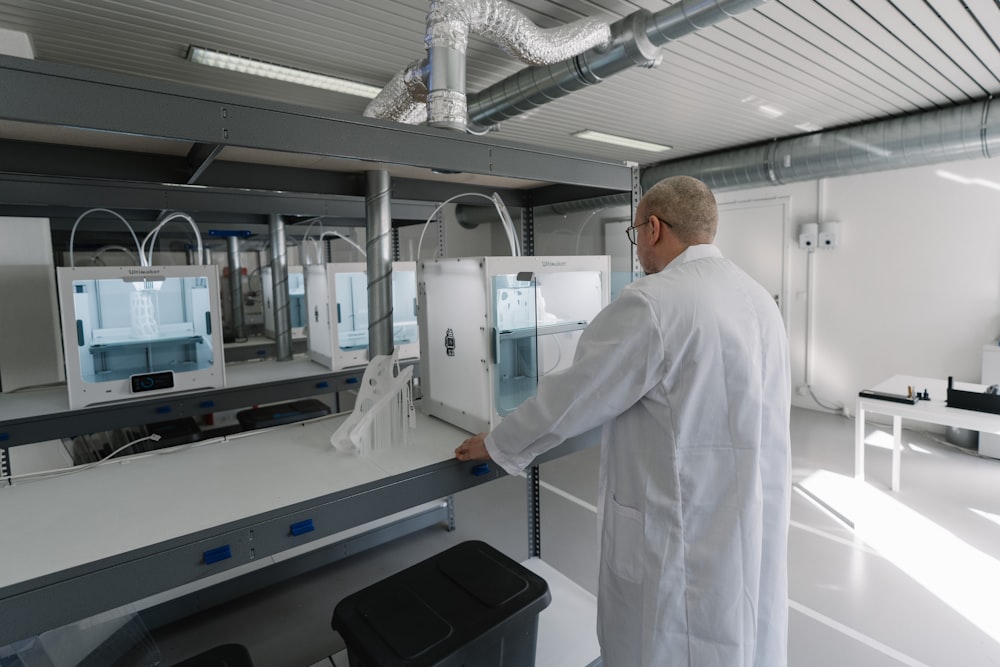
Researchers at the Massachusetts Institute of Technology (MIT) successfully grew wood-like plant fibers indoors, without soil or sunlight. This is nothing like your average houseplant: Actually, MIT’s method for growing plant tissue is similar to how scientists are making lab-grown meat. Taking cells from leaves of the zinnia plant, scientists put them in a “liquid growth medium” and then control the cells’ growth with two naturally-occurring plant hormones. In simple terms, this process is comparative to 3D printing: The plant cells in the growth medium are the printer, and scientists can manipulate them to change the size & shape of the final product.

man in white laboratory gown standing near white and black machine

The main takeaway from MIT’s discovery is that we now know it’s possible to produce our own plant materials, in specific forms, without relying on so many environmental resources. On a larger scale, this technology would also allow us to create our own wood, without cutting down trees! Ashley Beckwith, co-author of this important project, explains: “I wanted to find a more efficient way to use land and resources so that we could let more arable areas remain wild”. Using less environmental resources is essential in protecting our planet, and lab-grown wood is the first step in turning a new leaf concerning the issue of deforestation.

An Alternative to Deforestation

The ability to spontaneously create our own plant biomaterials — specifically wood-like materials — “wood” allow us to reduce or even eliminate our dependency on deforestation.

In the words of the MIT research team: Our current systems for obtaining plant materials are “inefficient and place unsustainable demands on environmental resources”. Between 1990 and 2016, humans destroyed over 502,000 square miles (1.3 million square kilometers) of forest — According to the World Bank, that’s equivalent to roughly 1,000 football fields per hour! Thankfully, the U.N. reports that deforestation rates are gradually decreasing; but we are still losing more forest cover every day, and it has a splintering effect on the environment.

Preserving forests is essential to preventing climate change. Every year, trees absorb around one third of carbon emissions from burning fossil fuels and turn it into fresh oxygen. This, along with the shade provided by forests, helps keep the earth cool. Forests are also home to 80% of all land-living creatures, including us humans — No wonder they’re sometimes lovingly called the “lungs of the planet”. It is vital for us to protect these precious resources; and supporting advances like MIT’s lab-grown wood ensures that our roots can stay put.

Plant the Seed for Preserving Forests

MIT’s groundbreaking discovery is still in its infancy: It’s going to take lots of financial and intellectual support to continue this important research, in order to get it market-ready. But while we may be years away from growing our own furniture and shifting away from the need to cut down trees, there are still plenty of things you can do right now to protect our forests.

  • Plant More Trees. Reforestation is an important effort towards combating climate change. It’s easier than you think — read this article to learn more about planting trees in your area.
  • Buy Forest-Friendly Items. Agriculture is a huge contributor to deforestation; so try to avoid items like coffee & palm oil unless they’re certified, and consider decreasing your beef consumption as well. You can find more information on this Rainforest-friendly purchasing guide, and be on the lookout for forest-friendly certifications like these:

  • Support Organizations Fighting for Forest Conservation. If you are able to, consider donating to or even joining organizations like The Nature Conservancy, Rainforest Action Network, and the Forest Stewardship Council. You can find more nonprofits local to you through this website.
  • Read Up & Spread The Word! Educate yourself on deforestation & its many connected causes through documentaries like Takeout and Kiss The Ground. Then, tell the people in your life how they can help preserve one of the planet’s most precious resources.


Filed Under: Make, Recent Tagged With: material science

Environmental Conditions and Food Security

February 12, 2021 by Shannon Laughlin Leave a Comment

Food security, or having physical and economic access to sufficient, safe, and nutritious food, is becoming increasingly threatened as atmospheric conditions shift. These changes in our environment result in less fertile soil and less ideal growing conditions, which ultimately, reduces crop yields. 

How Do Rising Temperatures Affect Food Security? 

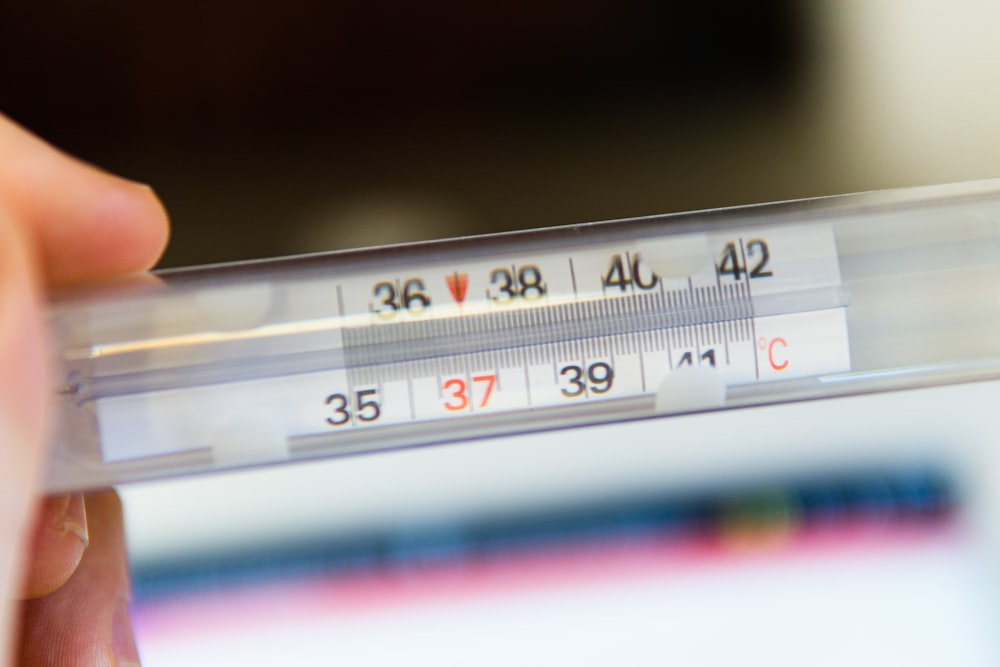
Greater concentrations of CO2 in the atmosphere have already begun to impact staple crops around the world. Not only does a warmer climate itself impact crops, but high temperatures can also cause an increased frequency of environmental conditions such as extreme weather events, rising sea levels, the persistence of pests, and high variabilities in rainfall. These unpredictable environmental issues create a less stable environment that producers cannot rely on for their crops. 

white thermometer at 36 degrees celsius

Disproportionate Effects 

Although environmental issues are a global problem, developing nations and low-income people feel the effects of environmental issues more severely than developed countries. 

Though 26.4% of the world population in 2019 suffered from moderate to severe food insecurity, high concentrations of that percentage drew from sub-Saharan Africa, a region notably vulnerable to environmental problems. Developing countries as well as low-income people are most vulnerable to these environmental issues and also have fewer resources to adapt to them. Consequently, they are also most at risk of being food insecure. 

CASE STUDY: Bangladesh 

Bangladesh is an example of a developing country that disproportionately bears the brunt of environmental issues, and as a result, also struggles with food security. ⅔ of Bangladesh is located less than five meters above sea level, making the country’s food system especially vulnerable to rising sea levels, extreme weather events, floods, and droughts. These environmental issues can affect food security by destroying farm production, closing businesses, creating water irrigation shortages, and causing saltwater intrusion. 

brown wooden house near body of water under blue sky during daytime

Bangladesh has taken steps to increase its resilience against environmental problems and therefore protect its food security. The Bangladeshi government has increased its capacity to respond to emergencies, they have strengthened river embankments to protect against flooding, and they have reduced saline water intrusion, especially in areas dependent upon agriculture. Banks have also funded projects in the poorest regions to build desalination plants and solar-powered irrigation systems, raise homes to protect from flooding, and help livelihoods insulated from extreme weather events. 

CASE STUDY: Nigeria 

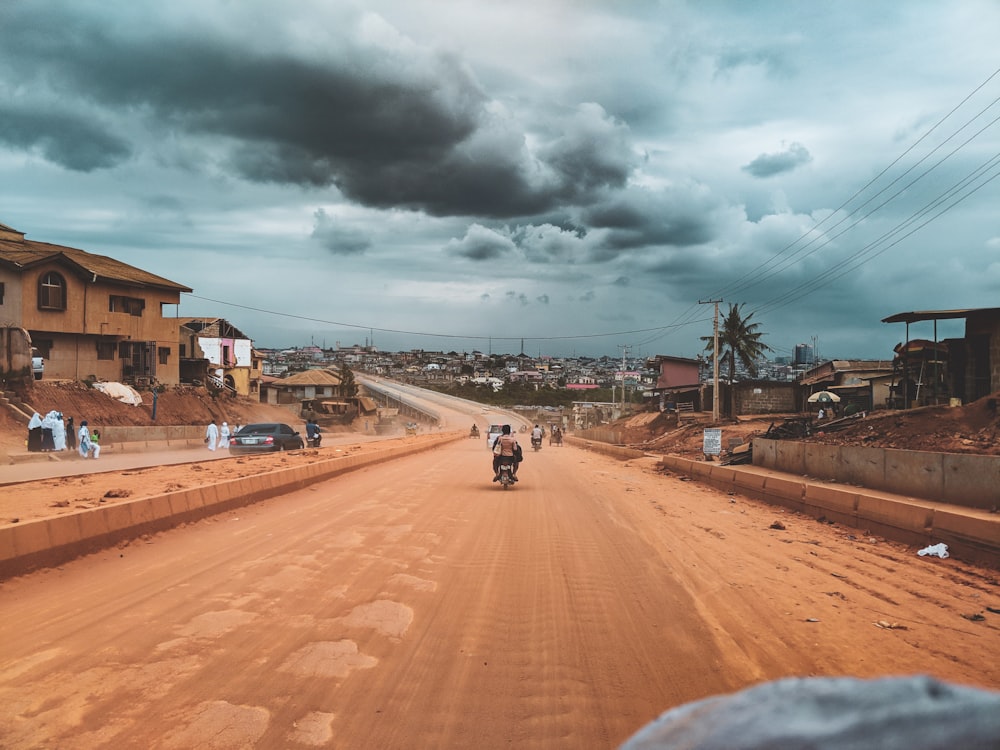
Another example of how atmospheric conditions affect a country’s food system is Nigeria. Nigeria has an agrarian economy: 46.71% of their 2019 GDP came from agriculture.

Their economy is becoming gradually less stable though as atmospheric conditions intensify the variability in rainfall. High rainfall variability means high food poverty, which can be especially detrimental to a country that relies so heavily on agriculture for its economy. 

person riding on motorcycle

Nigerians have taken solutions to combat the environmental issues they face. For example, they have improved their weather prediction technology, adopted appropriate water management strategies, and phased in weather indexed agriculture. 

Solutions 

A country’s solution to environmental issues and food insecurity depend on the culture and the needs of the country itself. Some countries prosper through mitigative strategies while others require adaptive approaches. Communities are transitioning to agroecology in order to supply food to their people in a sustainable way. For example, inner-city areas have taken on urban gardens to provide local produce to their community that is grown in a sustainable way. Cities have also developed hydroponics which is a technology that provides produce to the community in a local and water-conserving way. Other ways that we can develop our food systems into being resilient against environmental concerns are by using fertilizer more efficiently, reducing food waste, and purchasing groceries locally. 

Culturally Appropriate Solutions 

The characteristics of a country’s climate, economy, and way of life determine how atmospheric changes impact their food system specifically. Just as environmental issues affect countries specific to their lifestyle and specific to their climate, solutions to environmental issues should be specific to the needs of the country and implemented in a way that works efficiently for the country so that they can have secure access to crops and food. 
There is no “one-size-fits-all-solution” to environmental concerns and hunger, so it is important for countries to decide for themselves the best way to approach combating rising temperatures and food insecurity. Food sovereignty, or the right to define one’s own food system that provides healthy and culturally appropriate food through ecologically sound methods, is essential to guarantee a solution that is best for a specific community. Whatever the defined food system is, the fact that it is chosen by the community ensures that the community can protect their food security in a sustainable and resilient way regardless of the impacts of atmospheric changes.

Filed Under: Eat, Recent Tagged With: environment, food

How Amsterdam’s Economics Could Benefit the Planet

February 12, 2021 by Antony Randall Leave a Comment

In economics, many discuss the externalities of producing and consuming. An externality is an unintended impact of an action and when discussed in a negative light, usually has to do with degrading the environment. Our economic actions have global environmental consequences that need to be accounted for to protect the world we live in. Amsterdam has taken this idea to heart, embracing an idea known as “Doughnut Economics.”

chocolate doughnut

“Doughnut Economics” is an idea pioneered by British economist Kate Raworth in 2017, arguing that the 20th-century perspectives on economics cannot account for the environmental degradation caused by people’s actions in the 21st century. “Doughnut Economics” argues that humanity must find the balance between living comfortably and living sustainably rather than simply prioritizing GDP growth. This balance, the area between the two extremes, is the doughnut. 

The Part Amsterdam Plays

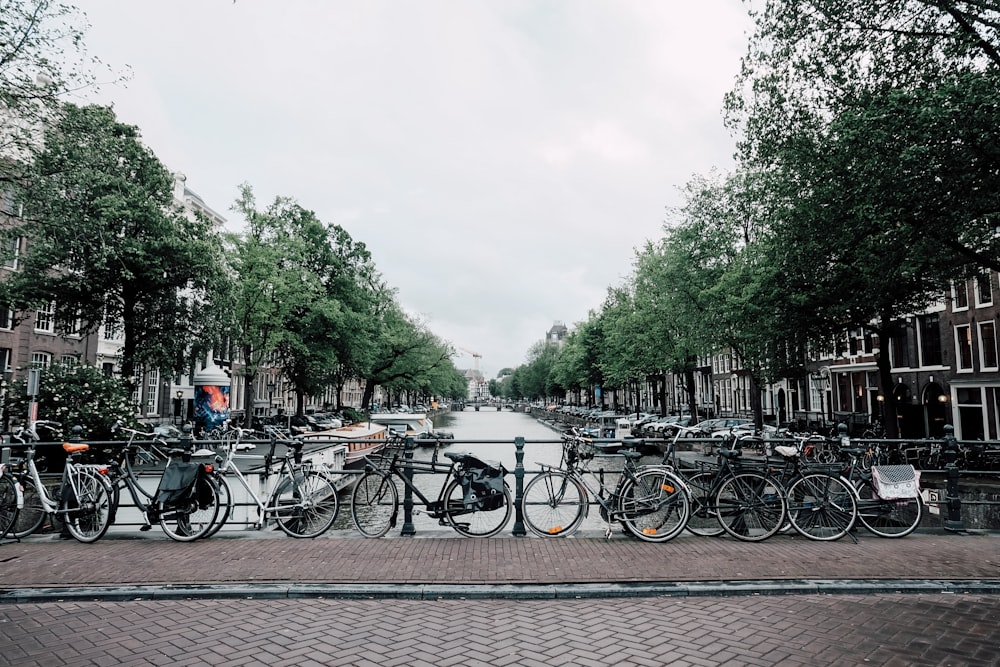
As people have traveled less since the Covid-19 pandemic began, global pollution has fallen. Some cities have been trying to continue this climate improvement and one of them is Amsterdam. The pandemic has changed the way we live completely and Amsterdam’s government is attempting not to fall back on easy mechanisms as we move forward. Amsterdam is trying to adjust its economy to be in this doughnut sweet spot, allowing citizens to have a good standard of living while having a sustainable environmental impact. The city of Amsterdam has done this in conjunction with the Doughnut Economics Action Lab (DEAL), introducing infrastructure projects, employment scheme changes, and new government policies. Local organizations and people are introducing their own initiatives through the Amsterdam Doughnut Coalition. Amsterdam took the “Doughnut Economics” theory and combined it with the idea of a circular economy, eliminating waste while prioritizing quality of life. Initiatives have included refurbishing laptops to close the digital divide and introducing recycled materials into the fashion industry.

bicycles parked on bridge during dayime

Are Other Cities Following Amsterdam?

Amsterdam has seen an improvement in focusing on healthcare, the environment, and housing availability. Other cities have been following Amsterdam’s example and implementing similar “Doughnut Economics” plans. Copenhagen, Brussels, and Dunedin have already followed suit, with Oregon and Austin considering following, as well. Each city must set its own standards for what constitutes being within the doughnut, but creating the plans for implementation is the first step.

What Now?

In the wake of Covid-19, cities are considering how to rebuild and renew after this long pandemic. “Doughnut Economics” is a concept to consider, not replacing economic growth but simply ensuring that economies balance quality of life with environmental consideration. It is the hope that as we move into the future of our world, we can globally ensure that we are living sustainably. Will Amsterdam lead to a doughnut revolution?

Filed Under: Live, Recent Tagged With: economics

  • « Go to Previous Page
  • Page 1
  • Interim pages omitted …
  • Page 33
  • Page 34
  • Page 35
  • Page 36
  • Page 37
  • Interim pages omitted …
  • Page 54
  • Go to Next Page »

Primary Sidebar

Recent Posts

  • PLANET HOME Announces $1 Million Tough Tech Prize at Inaugural Gala During Tough Tech Week
  • Planet Home and DataEnergy are solving the Green Computing Dilemma with Renewable AI Infrastructure
  • The Great AI Scale-Up: Balancing Compute Power with Planetary Boundaries
  • The Algorithm’s Bargain: Is AI Really for Good?
  • Code, Culture, and Creation: How AI is Remixing Entertainment’s DNA

Recent Comments

  • Liam Jacobs on Fricken’ Flying Taxis: The Future of Travel is Closer Than You Think
  • Izabella Bauer on The Pressing Plastic Problem
  • Broderick Ruiz on The Pressing Plastic Problem
  • Cherish Velez on The Pressing Plastic Problem
  • Anika Scott on The Pressing Plastic Problem

Archives

  • November 2025
  • April 2025
  • February 2025
  • January 2025
  • June 2022
  • April 2022
  • March 2022
  • February 2022
  • January 2022
  • December 2021
  • November 2021
  • October 2021
  • September 2021
  • August 2021
  • July 2021
  • June 2021
  • May 2021
  • April 2021
  • March 2021
  • February 2021
  • January 2021
  • December 2020
  • November 2020
  • October 2020
  • September 2020
  • August 2020
  • July 2020

Categories

  • AI
  • Community
  • Eat
  • energy
  • Featured
  • Live
  • Make
  • Move
  • Network
  • Press
  • Recent
  • Solutionist 100
  • Solutionists Making Moves
  • Solutions

Meta

  • Log in
  • Entries feed
  • Comments feed
  • WordPress.org

Design

With an emphasis on typography, white space, and mobile-optimized design, your website will look absolutely breathtaking.

Learn more about design.

TRENDING NOW

  • PLANET HOME Announces $1 Million Tough Tech Prize at Inaugural Gala During Tough Tech Week
  • Planet Home and DataEnergy are solving the Green Computing Dilemma with Renewable AI Infrastructure
  • The Great AI Scale-Up: Balancing Compute Power with Planetary Boundaries
  • The Algorithm’s Bargain: Is AI Really for Good?
  • Code, Culture, and Creation: How AI is Remixing Entertainment’s DNA

NEVER MISS A SOLUTION!

Sign up for our mailing list to stay up to date on planet saving solutions, news, and events from PLANET HOME!


BROWSE BY TAGS:

action carbon carbon emissions circular economy coronavirus eat education energy environment esg events fashion finance food green holidays industry lifestyle live make material science move music nature ocean oceans ocean stewardship planet plant-based plastic profile recycling s100 solutionist solutionists solutions sustainability tech technology tiktok transportation vegan waste water wildlife
Locations
Resources
Legal

Footer

Locations
Resources
Legal
  • Facebook
  • Instagram
  • LinkedIn
  • Pinterest
  • Twitter
  • YouTube
  • San Francisco
  • Los Angeles
  • New York
  • About PLANET HOME
  • Contact
  • Media
  • Employment
  • Terms of Use
  • Privacy Policy
  • Press

©2021 Planet Home. All rights reserved.
Use of and/or registration on any portion of this site constitutes acceptance of our User Agreement (updated 5/25/18) and Privacy Policy and Cookie Statement (updated 6/8/21) Your California Privacy Rights. The material on this site may not be reproduced, distributed, transmitted, cached or otherwise used except with the prior written permission of PH.

This website uses cookies to improve your experience. We'll assume you're ok with this, but you can opt-out if you wish. Cookie settingsACCEPT
Privacy & Cookies Policy

Privacy Overview

This website uses cookies to improve your experience while you navigate through the website. Out of these cookies, the cookies that are categorized as necessary are stored on your browser as they are essential for the working of basic functionalities of the website. We also use third-party cookies that help us analyze and understand how you use this website. These cookies will be stored in your browser only with your consent. You also have the option to opt-out of these cookies. But opting out of some of these cookies may have an effect on your browsing experience.
Necessary
Always Enabled
Necessary cookies are absolutely essential for the website to function properly. This category only includes cookies that ensures basic functionalities and security features of the website. These cookies do not store any personal information.
Non-necessary
Any cookies that may not be particularly necessary for the website to function and is used specifically to collect user personal data via analytics, ads, other embedded contents are termed as non-necessary cookies. It is mandatory to procure user consent prior to running these cookies on your website.
SAVE & ACCEPT