• Skip to primary navigation
  • Skip to main content
  • Skip to primary sidebar
  • Skip to footer
Planet Home

Planet Home

Culture Solutions

  • ECOSYSTEM
    • EAT
      • Food Security & Production
      • Land Stewardship
      • Ocean Stewardship
      • Health + Wellness
    • MAKE
      • Circular Economies
      • Green Manufacturing
      • Material Science
      • Regenerative Ecosystems
    • MOVE
      • Clean Transport
      • New Fuel Sources
      • Virtual Connections
      • Ecological Explorations
    • LIVE
      • Sustainable Communities
      • Biodiversity
      • Atmospheric Conditions
      • Renewable + Equitable Energy
  • VENTURE STUDIO
  • LABS
  • EVENTS
  • ARTICLES
    • Featured
    • Network
    • Press
  • Menu bars
  • COMPANY
  • VENTURE STUDIO
  • LABS
  • ABOUT
  • CONTACT
  • NETWORK
  • ECOSYSTEM
  • COMMUNITY
  • MEDIA
  • VIDEO
  • PHOTO
  • PRESS
  • Podcast
  • EVENTS
  • ALL
  • 2019 SUMMIT
  • 2017 SUMMIT
  • Terms of Use
  • Privacy Policy
  • Facebook
  • Instagram
  • LinkedIn
  • Pinterest
  • Twitter
  • YouTube

Steven Kotler’s “The Art of Impossible” is a How-To Guide on Making Any Dream a Reality

Steven Kotler’s “The Art of Impossible” is a How-To Guide on Making Any Dream a Reality

January 23, 2021 by Rayanne Piana 1 Comment

Have you ever dreamed of doing the impossible? Maybe it was a goal you doubted you could achieve or a dream that felt out of reach. Maybe it was a change you wished to see in the world, but doubted would come to pass. Maybe you wrote off these thoughts as a far-fetched fantasy, thinking to yourself, this is impossible.

But what if I told you that you could do the impossible? In The Art of Impossible, eight-time bestselling author Steven Kotler argues just that. Even more astonishing, he reveals exactly how to do it. The two-time Pulitzer nominee describes his latest book as the first scientifically-backed “how to” manual for accomplishing your dreams, no matter how big. 

Over 20 years, Kotler has studied elite athletes, artists, CEOs, scientists, and more to reveal their secrets to success and what allowed them to accomplish feats never been done before. He combines this research with neuroscience to provide a roadmap for not just reaching your greatest potential, but growing past it again and again. 

Grab your copy of The Art of Impossible today!

You don’t have to be a CEO to learn something from Kotler’s work. This book is for anyone seeking to reach their peak performance, from parents to creatives, to the average person just trying to do their best in whatever htey do. It’s interesting to think how our lives could change if our dreams could be made possible, and they can be, you need only learn how. So, Planet Home sat down (on Zoom) with Steven Kotler to discuss The Art of Impossible. 

What does it take to do the impossible?

The book breaks down the different ingredients required to help you reach your peak performance. This suite of skills includes motivation, learning, grit, creativity, innovation, and flow. 

“Motivation is what gets you into the game. Learning and accelerated learning skills allow you to continue to play, so does grit,” Kotler said, “Creativity and innovation skills are how you steer, and “flow” is how you turbo-boost all of that to incredible heights.”

Whether you’re a pro athlete trying to break records or a student adjusting to online learning due to COVID-19, skills like motivation, learning, and creativity are helpful tools for anyone. When you’re reaching for a goal or facing a challenge, these tools need to be sharp.

Motivation, passion, and purpose

There are a number of global challenges before us that feel impossible to overcome, like environmental issues, world hunger, and, most pressingly as of this moment, a pandemic. With such daunting tasks at hand, it can be easy to lose motivation or not have it to begin with. But getting motivated, according to Steven Kotler, begins with getting curious. 

“It all starts with curiosity. Curiosity is the foundational internal motivator,” he said. “If you’re looking for passion, as many people are, passion is nothing more than the intersection of multiple curiosities.”

The more you immerse yourself in your curiosities, you start to cultivate a passion, which then becomes your purpose. For example, I myself have always been curious about is the ocean. I spent much of my time by the ocean whilst growing up on an island, and I wanted to know everything about the secrets that lay beneath its surface. 

My curiosity about the ocean intersected with a curiosity about how we could solve the issues that face it, like pollution, coral bleaching, and endangered marine wildlife. This turned into a passion for doing my part in protecting our oceans. Even though these challenges aren’t something I can solve alone, my passion connected me with a community of people here at Planet Home who have a shared sense of purpose.

Steven Kotler speaking at Planet Home 2019

Grit: Staying the course

So, how do we go about solving such large scale challenges that face not only our oceans, but our planet? When the end goal is so far out of reach 

It’s all about training long term resilience. 

“The thing about training grit is, it’s not enough just to push hard,” Kotler said, “You have to push hard enough days in a row that your brain notices that, ‘Hey, whenever I encounter this level of resistance, I actually have something left in the tank. I can push harder.’”

Think about exercise as an example. Say you want to run a marathon one day. You wouldn’t train by running 20 miles your first day. Maybe you’d start at 1 mile, push yourself to 5 miles, then to 10 miles, and so forth. Every step along the way, you’re training your brain and your body to recognize that you can keep pushing yourself further and further.

The power of perspective 

Skills like creativity, innovation, empathy and emotional intelligence are also important keys for success, according to Kotler. Each of these tap into one major ingredient common in impossible-doers, which is the power of embracing multiple perspectives.

“Empathy allows us, among other things, the ability to see things from multiple perspectives, which is phenomenal for creativity,” Kotler said, “It’s phenomenal for emotional intelligence as well.”

Looking at a problem from multiple perspectives creates a systems-thinking approach that is at the heart of The Art of Impossible.  Kotler explained systems-thinking through an example of his own passion for animals. He realized that if he wanted to better advocate for endangered animals, he needed to know more about their environments and how ecosystems function as a whole.

“That systems-thinking, which I have brought into peak performance with me, really helped me a lot because peak performance itself is a giant sort of system that produces behavior,” he said.

So when it comes to doing right by the planet, we have to take a systems approach that solves challenges from a variety of angles. Whether you’re ocean lover doing beach clean ups, an engineer inventing new technologies, an artist spreading the message, you have an important role to play. The hope for a better future for our planet is more than a wish, it’s a goal made possible if we work together. Even though we might not solve all the planet’s challenges tomorrow, there will be wins big and small along the way that are enough to keep us going.

As Steven Kotler put it, “Motivation comes from little win after little win after little win. You’ve just got to start.”

What impossible thing will you conquer, one little win at a time? 

Pick up your copy The Art of Impossible today.

Filed Under: Recent

New Years Resolutions for Making a Positive Impact

January 20, 2021 by Cassandra Townsend Leave a Comment

Finally, 2020 is over. For many, myself included, it was a rough year, and everyone was looking forward to New Year’s to celebrate the end of a year that made history. 

For me, New Year’s has always been the time to be reflective about the year past. In 2020 I started writing for Planet Home, and since then, how I view the world and my role in it has changed. Now, I look at it through an action lens: what can I do to help? 

I’ve never been big on resolutions, but more on setting goals for throughout the year that are actually reachable. It’s the start of a new decade though, and after the stagnant year of 2020, it’s the perfect time to change habits and find new practices. So, here are my goals for this year, and years to come. 

aerial photography of buildings viewing mountain under blue and gray sky

Emission Reduction 

Increasing emissions are the backbone behind the greenhouse effect and changing atmospheric conditions. Emissions are increasing for various reasons, including increasing levels of shipping, the burning of fossil fuels in energy production, and even agriculture. Luckily, we can help. 

Using Public Transport 

Transportation makes up 28% of greenhouse emissions in the United States, an increase from 1990. I’ll be moving to Washington, D.C. later this year for graduate school, and while I’ll have a car, my goal is to use public transport (or carpooling) more than driving. Not only will my levels of emissions decrease with clean tranport, but it can also help decrease traffic and idling. It’ll save money, too. 

Using Greener Technology 

At home, we currently use solar-powered motion-sensor lights off of our back porch for our dog at night. Solar-power not only reduces emissions but also decreases water pollution because it uses a lot less water than other energy sources. This year, I hope to change more of our outside lights to solar-power and find an apartment building that uses solar when I move. I’m also going to be smart with my current technology, such as recycling technology, replacing items only when necessary, and using Ecosia as my search engine, which plants trees with every search. 

white and blue floral cloth

Line-Dry Clothing 

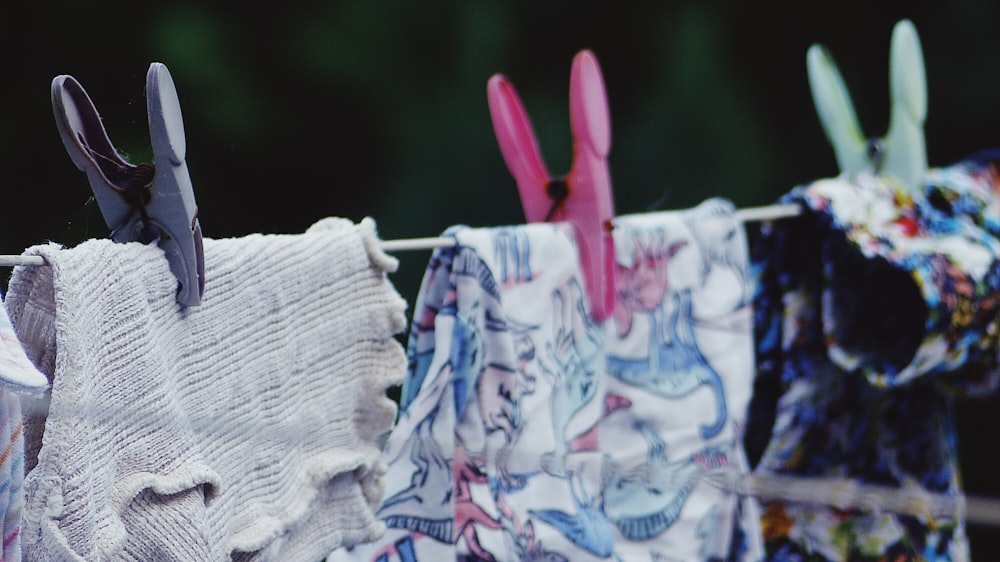
Dryers, while convenient, also use a lot of energy; line-drying can reduce a household carbon footprint by over 2000 pounds if you line-dry year around. It also gets you exercise, prevents fires, and saves money. I do about one load of laundry a week, and my parents do about three. So, when the warmer months come around here in New England, I plan on line-drying whenever possible. 

Buying Sustainable Fashion

Fashion is a wonderful tool to express ourselves, but fast fashion is harmful for the environment. The fashion industry alone accounts for 10% of carbon emissions globally, 35% of microplastic pollution (mostly in the ocean), and consumes more water than all but one industry. None of that takes shipping into account, either. To help combat this, I’m only buying clothes I know will last and that I know I will wear often. I’ll also be buying second-hand as often as possible, and shopping from sustainable brands whenever possible. 

Supporting Local Farms

Local businesses need our support more now than ever as the COVID-19 pandemic runs rampant, and its been shown that buying local produce leads to twice the amount of money staying in the community. It’s also healthier, with less preservatives, fresher (meaning more nutrients), and releases less carbon. Additionally, there’s a lot of ways to support local. 

Join a CSA 

Community Supported Agriculture programs work like gift cards: you put a certain amount of money on, and many farms give you back some. So, if you put $500 in, your gift card may have $550 on it, depending on the farm and their rates. You might get a discount, too. I will be getting a CSA this season, to support my former workplace and eat healthier. 

Buying/Picking in Bulk

Many fruits freeze well for smoothies and baking, so buying and picking in bulk will help you and the farm, by increasing their revenue. Additionally, frozen vegetables work well for soups and sauces. This season, my goal is to pick in bulk, and then prepare all the produce for freezing. Since another goal of mine is to cook more, it’ll work well for trying new recipes. 

Eating and Shopping Local 

A lot of restaurants use local goods in their menus; instead of hitting up a fast-food joint, a large goal of mine is to try more local restaurants. Additionally, just buying more local goods at supermarkets and small businesses. I know I can find local baked goods, local clothing, and local art all around me, and I want to support them as much as possible. As a bonus, it’ll help decrease emissions and encourage local growth. 

Eating Greener 

Eating green means many things, and can look different for everyone. At the basis, it’s just eating food that is more ethically sourced, to help the environment and our communities. 

Supporting Local 

Supporting locals is one of the easiest ways to eat more green. Not only are the produce healthier, but it’s also better for the planet: usually, there’s no preservatives, less carbon emissions, and less waste. 

green fruits on tree during daytime

Eating Less Beef 

I’m not the biggest meat fan there is, but I’m also a very picky eater, so it tends to be my main source of protein. Even though I already don’t eat a lot of it, I want to eat less beef this upcoming year to help my health. My family has a history of heart problems, and I want to avoid that as much as I can. Red meat is a major contributor to poor heart health, increased cancer risk, and diabetes. The production of red meat also uses about 70% of our clean water, meaning not only will it help my health, but also help the planet. 

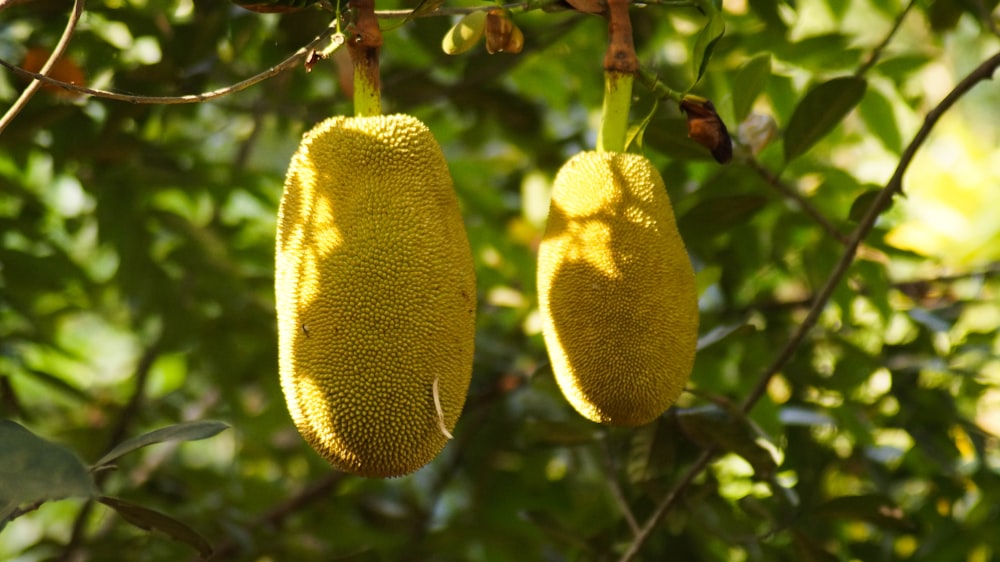
Already, I’ve started trying different protein bars, exploring new recipes with chicken, and preparing myself to try BeyondMeat. I’m also trying to convince my parents to try jackfruit, such as in a pulled-pork-type recipe. 

Eating Plant-Based Meat 

Going vegan is a goal that is years away for me, but I have always been intrigued by the plant-based meat. One problem, though: I can’t eat gluten, and a lot of the plant-based meat products I can find contain gluten. Like I mentioned earlier, I’m also picky, but I know plant-based meat is beneficial for not only our health but also the planet, so another one of my goals is to explore more plant-based meat options. 

At the end of the day, resolutions or goals will be different for everyone based on health, accessibility, and budget. However, if we all embrace some changes, we can all make a difference. These are just my goals for this year, but I’d love for you to do them with me, or make your own list. 

Filed Under: Recent

Is Sustainability Dead? (Sustainable vs. Regenerative)

January 19, 2021 by Mackenzie Riley Leave a Comment

Working towards a more sustainable lifestyle is very popular right now, but is it enough? Sustainability has historically been the goal of eco-friendly movements, but now there is a newfound effort on the need for regenerative efforts. Regenerative programs are more aggressive than sustainable programs, sustainability by definition means to maintain the current state of the environment, whereas regenerative programs aim to restore the environment to its former state. 

white windmill during daytime

Our natural spaces have lost an exponential amount of their biodiversity, facing mass amounts of pollution and unpredictable weather. This environmental stress has greatly damaged our ecosystem, moving forward sustainability simply will not be enough, we must take a more aggressive approach. The environmental movement must instead move to the offensive, actively fighting back the degradation that has been done from human activity. 

What is the regenerative movement?

Regeneration seeks to promote a more resilient environment that can withstand natural challenges. The key difference between regenerative and sustainable programs are being proactive versus reactive. Regenerative programs have three primary goals: 

  • increase health of human and natural environments
  • foster positive feedback loops
  • respect to local contexts 
people walking on pathway between trees

Programs that implement regenerative strategies utilize natural resources that do not take away from our wild spaces and that work to restore the health of our environment. Polyculture farming is growing more than one species at a time, imitating the natural environment they would grow in, in hopes of developing a new ecosystem. 

Greenwave is a company working to revolutionize ocean farming by adopting this method. Greenwave currently yields high amounts of shellfish and seaweed, with a very small carbon footprint. By growing seaweed offshore farmers are able to neutralize on-shore agriculture carbon emissions, while using no freshwater, fertilizers, or feed. Programs such as this are regenerative because they build back ocean environments, and provide protection against future natural disasters. 

geyser within mountain range during daytime

Another regenerative effort is restoring our natural spaces. Yellowstone national park has taken on this task by working to restore its predator-prey relationships within the park. These programs have reintroduced the grey wolf into the park, which has helped restore the natural balance of the ecosystem, assisting in problems of overpopulation. Programs such as this are regenerative versus sustainable because they seek to move the environment back into its natural state, versus maintaining its current norm. 

So, is sustainability canceled?

The rise in regenerative programs does not mean the end of sustainability. Any progress towards a more ecologically sound future is progress, yet within the green movement, there must still be criticism for more productive measures. The debate between sustainability and regeneration comes down to one question: is sustainability enough?

Currently, 75% of the earth’s land has been substantially degraded. Sustainability merely seeks to end the continuous destruction of our land and remain at 75%, while regenerating seeks to reverse this trend. In some instances, sustainability may be enough to maintain a healthy future, but in other instances reversing the harm human activity has already caused will be necessary for our future. 

fish-eye aerial shot of buildings and trees

Still, sustainability is not dead. Regenerative programs are more aggressive and lead to more dramatic results, but that does not mean there is not a space for sustainability. Amanda Joy Ravenhill is the Executive Director at Buckminster Fuller Institute, she believes that: “they’re intertwined… there are parts of the sustainability conversation that have gotten a little stale and regeneration seems to be sparking people’s interest a little more.” 

Sustainability programs are the strong backbones for a future of regenerative programs. When moving forward with green-programs it is important to recognize the progress that has been made so far–sustainability is that progress. It is now time for regeneration to build off that. 

The future of our planet shows promise. Many environmental organizations are working to make this shift, understanding the importance of regeneration. Increased research, investment, and innovation are being devoted to building back our wild spaces and to achieve ecological harmony.

Filed Under: Live, Recent Tagged With: regenerative, sustainability

Countries Around the World Pledge to Plant Trees

January 19, 2021 by Sara Miranda Leave a Comment

Trees have been human’s trusty friends for centuries. Whether serving as a place to curl up with a good book or to take a short snooze, trees have always been there for us, but is it possible that they can help save the planet, too? With only 10 years left to halt irreversible damage to the planet, according to the UN, humans have turned to planting trees as a solution. Keep scrolling to learn more about the benefits of planting trees, the countries that have created tree pledges, and how you can start planting trees, too.

The Benefits of Planting Trees

When it comes to helping the environment, trees surely deliver. Think of trees as the environment’s natural air filter. They purify the air by getting rid of dust, carbon monoxide, sulfur dioxide, and ozone toxins, all of which are harmful for humans to breathe. While trees act as the environment’s air filter, they also provide organisms with the one chemical to breathe: oxygen. One tree provides enough oxygen to sustain four people, so they’re pretty much a big part of keeping us alive. Trees not only keep the air we breathe safe, but also Earth’s water sources.The water from storms is filled with harmful pollutants and chemicals such as nitrogen. Instead of these chemicals entering oceans, lakes, and rivers, trees divert the stormwater’s pathway to the soil. In turn, Earth’s waters are spared from stormwater pollution thanks to trees. Trees’ role in the environment doesn’t stop there. In fact, they take in carbon dioxide, the gas that is largely responsible for causing climate change. Carbon dioxide is a byproduct of both natural phenomena and human activities, such as wildfires, volcanic eruptions, and driving cars. They truly are nature’s warriors in humanity’s battle against climate change. 

pine trees

Trees also do their fair share when it comes to helping our mental health. The sight of trees can elicit feelings of peace and serenity in humans, in addition to decreasing work-related stress and fatigue. In fact, apartment complexes dotted with trees and greenery have even been found to have lower levels of crime than those without lush vegetation and trees. Besides contributing to low crime rates, trees also bring people together. When a construction project is underway that involves cutting down a tree with a longstanding history, people tend to rally against its removal, showing how the bond between humans and trees is one that cannot be broken. 

Who’s Taking the Tree-Planting Pledge?

Recognizing the role that trees play in helping the environment, national governments, businesses, and environmental organizations have pledged to plant more trees over the next several years. Here’s a look at some of the nations that are already taking the pledge to plant more trees. 

green plant on persons hand

The United States

At the beginning of 2020, the federal government declared that the United States would be participating in the One Trillion Trees Initiative, an international movement spearheaded by the World Economic Forum. This initiative aims to preserve and rehabilitate one trillion trees by 2030. Even though adding another trillion trees to the environment can help to mitigate the effects of climate change, humanity still has much to do in curbing its harmful effects.  

Australia

This past Earth Day, two environmental non-profit organizations, One Tree Planted and Foundation for National Parks and Wildlife, pledged to plant 1 million trees over the next five years as part of its environmental relief efforts following the bushfires that ravaged the nation at the end of 2019 and in the early months of 2020. The pharmaceutical company AstraZeneca also created a tree-planting pledge with the environmental organization, Greening Australia, to plant 25 million trees within the next five years to help with the nation’s recovery from the bushfires. 

The Philippines

Since 2019, students in the Philippines have been required to plant 10 trees before graduating from elementary school, high school, and college. Through this initiative, the government’s House of Representatives hopes that 175 million trees will be added to the nation’s ecosystem every year. 

Saudi Arabia

Late last fall, Abdulrahman Bin Abdulmohsen Al Fadley, Saudi Arabia’s Minister of Environment, Water, Agriculture, unveiled the nation’s environmental campaign, ‘Let’s Make it Green.’ This environmental initiative also entails planting 10 million trees by the end of this year. By adding 10 million new trees to Saudi Arabia’s landscape, the government hopes to decrease the effects of desertification. Desertification is a phenomenon caused by nature or human activity that reduces the efficaciousness of deserts’ natural processes. 

Ireland

In the summer of 2019, the Irish government announced its plans to plant 22 million trees annually throughout the next 20 years. This plan involves using plots of farmland to plant trees as well. Ireland’s tree-planting pledge is part of a much larger  governmental initiative that involves taking action against climate change over the next several years. 

How to Get Involved

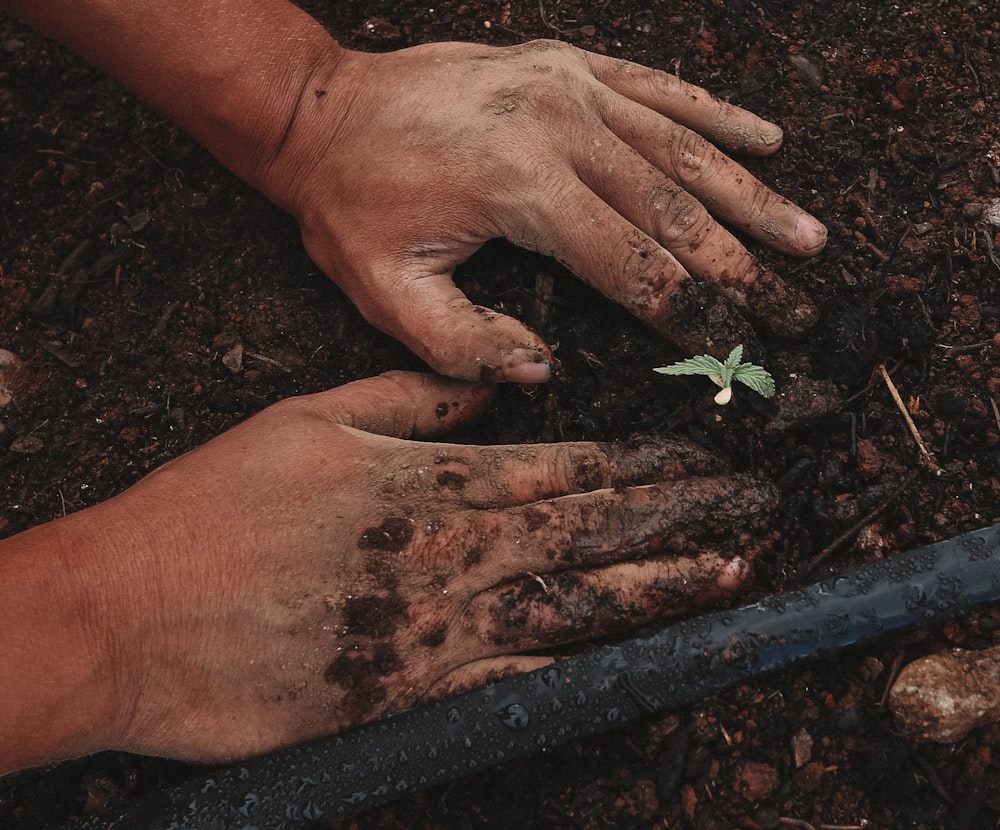
Whether you’re looking to get your hands dirty and plant some trees or would like to make a financial contribution to tree-planting efforts there are a variety of national organizations that would love your help. Below, check out the organizations are helping to add more trees to America’s landscape. 

girl planting with green plant at daytime

The Canopy Project

If you’re looking to help plant more trees in the United States, consider donating to the Canopy Project. Donating one dollar ensures that one tree will be planted in America. 

American Forests

Thinking about planting a tree in your backyard? Check out the non-profit conservation organization, American Forests’ website. This organization has an in-depth guide on how to find and plant your own tree. 

The Tree Pledge

The Tree Pledge is another national organization whose goal is to plant 1 trillion trees. Whether you want to spearhead a tree planting day in your community or spread the word about The Tree Pledge on social media, the choice is yours as to how you would like to contribute. 

To ensure future generations will be able lead happy and healthy lives, try planting your own trees or donating to causes that will plant one on your behalf. 

Filed Under: Live, Recent Tagged With: trees

Planet Over Profit: Corporations Making Changes for the Environment

January 19, 2021 by Mackenzie Riley Leave a Comment

Corporations are part of every aspect of our lives. They release mass amounts of carbon dioxide emissions. 100 energy companies contribute to 71% of all industrial emissions. The top 15 American food companies contribute 630 million metric tons of greenhouse gases annually.

Individual actions are important, but we still need to make effective change on a larger scale. Permanent change will come once companies become more environmentally responsible.

Business For Good Is Good Business

There’s a misconception that going green means losing out on profit, but that’s simply not the case. According to an international survey, 80% of people better respect businesses that adopt green practices. Eco-friendly business is in high demand and consumers are more likely to cast their dollar vote for companies that align with their views on climate. Also, going green allows companies to receive extra tax credits, improved efficiency, foster a more healthy workplace, and save operational costs associated with lighting, heat, and plumbing. 

A solution to the overemphasis on profit over environmental impact is to adjust the way we define profit. GDP (gross domestic product) is the current widely used measurement of economic success. GDP doesn’t factor in the relationship between the environment and our economy. GEP (gross ecosystem product) takes into account our environmental assets and how economically valuable they are to humans. By prioritizing GEP as much as GDP, nations and industry leaders will be better equipped to make decisions based on both their environmental and economic impacts, valuing our planet equally with profit. 

green plant

Some companies have already taken steps in the right direction, leading the way in more sustainable business.

Unilever

This rapidly growing corporation has consistently been highlighted as a leader in sustainability. Unilever produces and distributes products that make a difference in people’s daily lives and in protecting our planet. Some of their products include teas, shampoos, and household essentials, made by both well-known companies and Unilever has quickly become one of the most successful worldwide manufacturers, selling to 190 countries and used by more than 2.5 billion people worldwide. 

With such a global presence it is easy to believe that it may be more difficult for Unilever to maintain sustainable business practices. By placing environmental sustainability at the center of their business model Unilever has ensured that its operations are not a detriment to the environment. In 2020 the corporation set a goal to improve the health of 1 billion people, buy 100% of agricultural products from sustainable sources and halve their environmental impact. Unilever has exceeded those goals, bettering the health and hygiene of over 1.3 billion people and switching to 100% renewable energy. To achieve these goals the company has adopted a number of practices, centered in the United Nations Sustainable Development goals, for example; championing sustainable agriculture, assisting in recycling more, and adopting eco-efficient manufacturing and distribution practices. 

The international success of Unilever proves that corporations do not have to sacrifice their profit in order to make eco-friendly products. Sustainability and success often go hand in hand, as Unilever has proven. By supporting corporations such as this the individual is better able to contribute to an environmentally moral company, advocating for other businesses to adopt similar approaches. 

Samsung

Samsung is dominating the green-tech industry, providing an example to other companies that expanding technology does not have to come at the expense of our planet. It is easy for devices to end up in landfills, as the majority of cell-phone users are adamant about staying up-to-date with new technologies. Samsung has recognized this problem and prioritized landfill diversion, recycling over 381,667 tons of electronic waste in 2016 alone. In order to ensure the success of these recycling programs Samsung has worked to ensure its devices are more recycling compatible by employing an eco-design process and eco-rating system to evaluate the sustainability of its technology throughout its life cycle. 

Samsung is also a major supporter of circular economies. The corporation ensures that a substantial amount of the plastic used in its devices come from recycled plastics. By participating in the circular economy of plastic Samsung decreases its need for crude oil and can decrease carbon emissions by 97 percent. The Samsung Galaxy S8 travel adapter was made from only 20% recycled materials and was still estimated to have the same environmental impact as planting over 13,000 trees. 

Target 

man standing near red and gray shopping cart

Another company that has made great progress in becoming more sustainable is Target. Target has expanded the products available in its stores and online to be more environmentally friendly, committing to only sell sustainably farmed cotton products by 2022, which has helped save farmers over 12 billion gallons of water over the past year. Target is also working to foster a more healthy and sustainable shopping experience for its guests by labeling product packaging to help consumers easily spot products that are better for their homes and the environment. 

Target has also invested in partnerships with several sustainability organizations, such as its $2 million dollar commitment to The Recycling Partnership, an organization that motivates communities to be more proactive in their recycling practices and advocates for a circular economy. Target is also a member of New Plastics Economy Global Commitment, led by the Ellen MacArthur Foundation in collaboration with UN Environment, which aims to create a circular economy where plastic never becomes waste. 

These companies and the organizations that support them are spearheading the green movement in corporate America. As a consumer, it is important to look into the sustainability practices employed by the companies you support. It is also important to not feel discouraged if your individual actions seem futile in the face of climate change. We, individuals and corporations alike, need to work together to fight for the betterment of our planet. 

Filed Under: Make, Recent Tagged With: green

Shaken, Not Stirred: How a newly discovered “enzyme cocktail” may solve our plastic problem

January 15, 2021 by Glenn Banish Leave a Comment

Week in and week out you put your recycling out, yet somehow the plastic problem plaguing our planet continues to grow. While the world is slowly shifting towards biodegradable packing, the exorbitant amount of plastic polluting our land, air, and oceans will require innovation and ingenuity as well as all of our help. 

The Centre for Enzyme Innovation at the University of Portsmouth has made a groundbreaking discovery, potentially revolutionizing the way the world recycles plastic. Led by Professor John McGeehan, the same team of scientists who engineered the PETase enzyme in 2018 took yet another substantial leap in their research.

sprite plastic bottle on table

Breaking down the science

PET, which is the abbreviation for polyethylene terephthalate (say that three times fast), is the most commonly used plastic in the world. While attempting to determine PET’s chemical structure in 2018, McGeehan and his team accidentally discovered an enzyme with the ability to break plastics down at a rate 20% faster than ever before.

Expounding upon their research over the past two years, CEI discovered a second enzyme, MHETase, and found when these two teamed up they created a powerful, plastic-eating, impossible to pronounce enzyme cocktail. Digesting plastic at a rate six times faster than when PETase was acting alone, this new super-enzyme could potentially solve the planet’s plastic problem. 

The reality of recycling

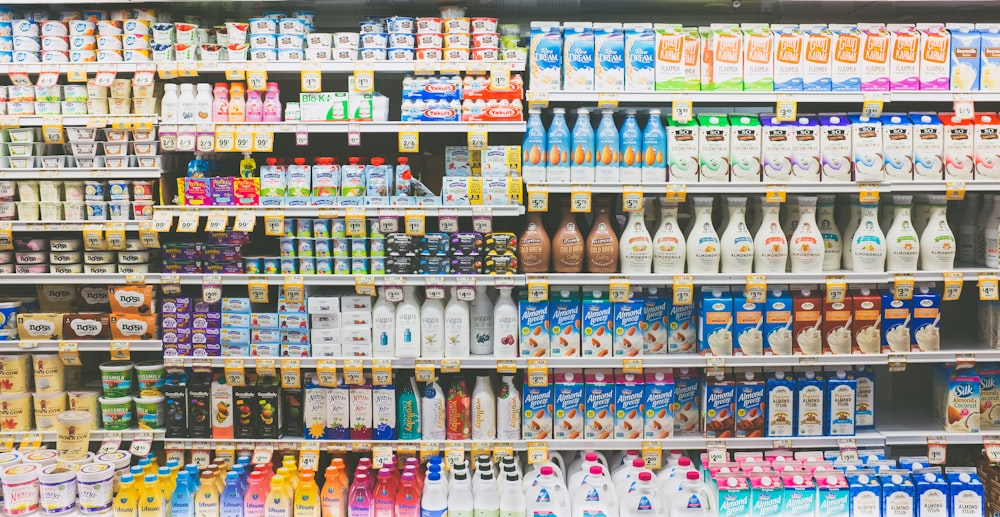
Over the past fifty years, there has been a dramatic increase in the use of plastic for packaging purposes. There is not a single aisle of your local grocery store that doesn’t contain hundreds of plastic-wrapped goods, and even the most environmentally conscious shopper would be hard-pressed not to walk out of there with something plastic. You may be thinking to yourself, “Well, that’s why we recycle, right?” Right. Kind of.

assorted drinks on white commercial refrigerator

While tossing these items into the recycling bin is a good thing, the unfortunate reality is only a small fraction of reclaimed plastics actually end up being repurposed. According to Greenpeace, approximately 8.3 billion metric tons of plastic has been produced since the 1950’s, only 9% of which has been recycled. Of those 8.3 billion metric tons, 12% has been burned, with the remaining 79% ending up in our landfills, woodlands, and oceans. 

While it may feel as if we’ve been lied to about recycling all these years, it’s not quite that simple. Combining the mass overproduction of plastic with a lack of technology to recycle millions of tons of waste each year, we have not had many viable options until now.

Currently, recycling plastic is a high-energy process that includes melting plastic down before it can be repurposed. Not only can one argue this does more harm than good, the current method degrades the quality of the plastic, only allowing these materials to be recycled once or twice. By returning plastics back to their molecular building blocks, CEI’s enzyme cocktail allows for plastics to be recycled endlessly in an energy-efficient manner. 

Join the plastic pollution revolution

While innovations like CEI’s new enzyme cocktail have the potential to revolutionize the way the world recycles plastic, it could be years or even decades until it can be implemented on a global scale. In the meantime, it is imperative that we reduce the amount of plastic waste produced every year.

Here’s how you can help:

When buying groceries, try to avoid purchasing goods packaged in plastic and bring your own reusable shopping bags. Research companies who have invested in using biodegradable packaging and encourage your favorite merchants to consider moving away from plastic.

bag full of apples

When you inevitably have to buy something packaged in plastic, consider ways in which you can reuse these materials within your own home. From storage containers and dog food scoopers to rain catchers and planters, there are countless ways to recycle plastic yourself.   

Reach out to organizations such as Ocean Conservatory to learn how you can volunteer to help keep the water systems clean within your own community. If possible, donations to organizations like these also go a long way. 
As always, stay tuned to Planet Home to find out more ways in which we can make our planet a better place.

Filed Under: Make, Recent Tagged With: plastic

  • « Go to Previous Page
  • Page 1
  • Interim pages omitted …
  • Page 38
  • Page 39
  • Page 40
  • Page 41
  • Page 42
  • Interim pages omitted …
  • Page 54
  • Go to Next Page »

Primary Sidebar

Recent Posts

  • PLANET HOME Announces $1 Million Tough Tech Prize at Inaugural Gala During Tough Tech Week
  • Planet Home and DataEnergy are solving the Green Computing Dilemma with Renewable AI Infrastructure
  • The Great AI Scale-Up: Balancing Compute Power with Planetary Boundaries
  • The Algorithm’s Bargain: Is AI Really for Good?
  • Code, Culture, and Creation: How AI is Remixing Entertainment’s DNA

Recent Comments

  • Liam Jacobs on Fricken’ Flying Taxis: The Future of Travel is Closer Than You Think
  • Izabella Bauer on The Pressing Plastic Problem
  • Broderick Ruiz on The Pressing Plastic Problem
  • Cherish Velez on The Pressing Plastic Problem
  • Anika Scott on The Pressing Plastic Problem

Archives

  • November 2025
  • April 2025
  • February 2025
  • January 2025
  • June 2022
  • April 2022
  • March 2022
  • February 2022
  • January 2022
  • December 2021
  • November 2021
  • October 2021
  • September 2021
  • August 2021
  • July 2021
  • June 2021
  • May 2021
  • April 2021
  • March 2021
  • February 2021
  • January 2021
  • December 2020
  • November 2020
  • October 2020
  • September 2020
  • August 2020
  • July 2020

Categories

  • AI
  • Community
  • Eat
  • energy
  • Featured
  • Live
  • Make
  • Move
  • Network
  • Press
  • Recent
  • Solutionist 100
  • Solutionists Making Moves
  • Solutions

Meta

  • Log in
  • Entries feed
  • Comments feed
  • WordPress.org

Design

With an emphasis on typography, white space, and mobile-optimized design, your website will look absolutely breathtaking.

Learn more about design.

TRENDING NOW

  • PLANET HOME Announces $1 Million Tough Tech Prize at Inaugural Gala During Tough Tech Week
  • Planet Home and DataEnergy are solving the Green Computing Dilemma with Renewable AI Infrastructure
  • The Great AI Scale-Up: Balancing Compute Power with Planetary Boundaries
  • The Algorithm’s Bargain: Is AI Really for Good?
  • Code, Culture, and Creation: How AI is Remixing Entertainment’s DNA

NEVER MISS A SOLUTION!

Sign up for our mailing list to stay up to date on planet saving solutions, news, and events from PLANET HOME!


BROWSE BY TAGS:

action carbon carbon emissions circular economy coronavirus eat education energy environment esg events fashion finance food green holidays industry lifestyle live make material science move music nature ocean oceans ocean stewardship planet plant-based plastic profile recycling s100 solutionist solutionists solutions sustainability tech technology tiktok transportation vegan waste water wildlife
Locations
Resources
Legal

Footer

Locations
Resources
Legal
  • Facebook
  • Instagram
  • LinkedIn
  • Pinterest
  • Twitter
  • YouTube
  • San Francisco
  • Los Angeles
  • New York
  • About PLANET HOME
  • Contact
  • Media
  • Employment
  • Terms of Use
  • Privacy Policy
  • Press

©2021 Planet Home. All rights reserved.
Use of and/or registration on any portion of this site constitutes acceptance of our User Agreement (updated 5/25/18) and Privacy Policy and Cookie Statement (updated 6/8/21) Your California Privacy Rights. The material on this site may not be reproduced, distributed, transmitted, cached or otherwise used except with the prior written permission of PH.

This website uses cookies to improve your experience. We'll assume you're ok with this, but you can opt-out if you wish. Cookie settingsACCEPT
Privacy & Cookies Policy

Privacy Overview

This website uses cookies to improve your experience while you navigate through the website. Out of these cookies, the cookies that are categorized as necessary are stored on your browser as they are essential for the working of basic functionalities of the website. We also use third-party cookies that help us analyze and understand how you use this website. These cookies will be stored in your browser only with your consent. You also have the option to opt-out of these cookies. But opting out of some of these cookies may have an effect on your browsing experience.
Necessary
Always Enabled
Necessary cookies are absolutely essential for the website to function properly. This category only includes cookies that ensures basic functionalities and security features of the website. These cookies do not store any personal information.
Non-necessary
Any cookies that may not be particularly necessary for the website to function and is used specifically to collect user personal data via analytics, ads, other embedded contents are termed as non-necessary cookies. It is mandatory to procure user consent prior to running these cookies on your website.
SAVE & ACCEPT