• Skip to primary navigation
  • Skip to main content
  • Skip to primary sidebar
  • Skip to footer
Planet Home

Planet Home

Culture Solutions

  • ECOSYSTEM
    • EAT
      • Food Security & Production
      • Land Stewardship
      • Ocean Stewardship
      • Health + Wellness
    • MAKE
      • Circular Economies
      • Green Manufacturing
      • Material Science
      • Regenerative Ecosystems
    • MOVE
      • Clean Transport
      • New Fuel Sources
      • Virtual Connections
      • Ecological Explorations
    • LIVE
      • Sustainable Communities
      • Biodiversity
      • Atmospheric Conditions
      • Renewable + Equitable Energy
  • VENTURE STUDIO
  • LABS
  • EVENTS
  • ARTICLES
    • Featured
    • Network
    • Press
  • Menu bars
  • COMPANY
  • VENTURE STUDIO
  • LABS
  • ABOUT
  • CONTACT
  • NETWORK
  • ECOSYSTEM
  • COMMUNITY
  • MEDIA
  • VIDEO
  • PHOTO
  • PRESS
  • Podcast
  • EVENTS
  • ALL
  • 2019 SUMMIT
  • 2017 SUMMIT
  • Terms of Use
  • Privacy Policy
  • Facebook
  • Instagram
  • LinkedIn
  • Pinterest
  • Twitter
  • YouTube

Bigger Tech, Smaller Footprint

Bigger Tech, Smaller Footprint

February 12, 2021 by Brandon Musto Leave a Comment

Apple. Microsoft. Tesla. SpaceX. Unless you’ve been living under a rock you’ve heard their names by now. Not only are these some of the biggest tech companies on the globe, but they are also three of the many thousands of companies embracing the green revolution. Some green changes have been in place for years, while some may have been spurred by the recent global pandemic. Let’s take a look at each of the aforementioned companies to see what they’re doing to make a more positive impact on the planet. 

A Fruit You Might Know

How about we start with Apple. Known for its stunning yet expensive electronic devices that we still end up buying, it has grown from Steve Jobs’s garage to a company employing thousands of people with operations around the globe. Focusing on its domestic footprint, it’s impossible not to talk about the recently completed corporate headquarters known as Apple Park. Situated in Cupertino, California, and designed under the direction of Apple’s legendary Chief Design Officer John Ive, the flying-saucer shaped campus boasts some incredibly environmentally friendly features. For those of you asking, aliens have not come to visit it (yet). 

If you think the campus’s flying saucer shape is pretty cool, you’ll love to hear about its state of the art design and tech features. Just think of it as an Apple device on steroids. Starting with its energy sources, the campus is powered by 100% renewable energy, most of which is supplied by a 17-megawatt onsite rooftop solar installation. 

(Apple Park corporate headquarters in Cupertino, CA.https://images.app.goo.gl/t1suyRCY3cGbqAveA )

Furthermore, air flows freely between the inside and outside of the building, eliminating the need for HVAC systems during nine months of the year. In the massive center courtyard and throughout the rest of the campus, over 9,000 drought-resistant trees are planted, providing natural greenery, shade, and clean oxygen to the environment. Overall, the campus has a LEED Platinum certification. Most importantly, Apple announced that 100% of its global facilities will be completely powered by clean energy. Apple is one company leading the way in eco-friendly building usage. 

Looking Within

Microsoft is another company that is committed to promoting planet-friendly practices. They have pledged that by 2030 they will be carbon negative, and by 2050 they’ll remove from the environment all the carbon the company has emitted either directly or by electrical consumption since it was founded in 1975. Their ambitious yet detailed plan outlines how this will be done. 

Currently, each division within Microsoft pays a $15/metric ton fee for carbon waste, but this will be further scrutinized and encompass additional activities such as employee travels. Larger aspects of the plan involve shifting to 100% renewable energy for all of their data centers, buildings, and campuses by 2025, as well as electrifying their global campus operations vehicle fleet by 2030. Considering the sheer size of Microsoft, it is an ambitious goal, but they recognize the need to lead by example in the fight for our planet’s well being.

The Musketeer 

You might be wondering why a car company is on this list of tech companies going green, but Tesla is much more than a traditional automobile manufacturer. Founded in 2003 and with Elon Musk as CEO since 2008, its mission is to accelerate the world’s transition to sustainable energy, starting with electric cars. To help with charging the ever-increasing number of electric vehicles on the road, they’ve developed a growing network of supercharger stations, currently boasting over 20,000 such stations and counting around the globe. Even if you don’t own a Tesla, you’ve probably driven by a dealership or parking lot with dozens of Tesla models charging their batteries. The open parking spaces can fill up pretty fast!

 If you happen to be too far away from one of those or would rather charge your car at home, Tesla has you covered. They manufacture and install solar panels and even roofs made of solar panel shingles. Paired with their battery technology, environmentally conscious households can store energy from their solar panels and either use it or sell any excess energy back to the grid. 

Something Out of this World

Perhaps Musk’s most ambitious project yet, SpaceX, designs, manufactures and launches advanced rockets and spacecraft. Since they are reusable (the videos are iconic), they are significantly less resource-intensive to deploy, both in terms of financial costs and materials needed to build the massive rockets. Like the implementation process of its cars, traveling to outer space might feature a tiered approach until costs continue to diminish. Unfortunately, we’re not at a Star Wars level spacecraft design at the moment. So, in reality, this means things like letting other space companies pay for their cargo to hitch a ride on a SpaceX rocket into space.

(Falcon Heavy rocket being launched, https://images.app.goo.gl/VAKkSYqyn1QVXC336)

The long-term goal, however, as stated on the SpaceX website, is to help make humanity multi-planetary. Such a goal would mean that Mars needs to become habitable for long term stays, something that doesn’t exist today but could very well exist in the future. Just think, one day instead of vacationing in Florida you could take a quick trip to the Red Planet! On a more serious note, this accomplishment might help save humans from a major catastrophe by allowing the dispersion of population away from earth onto a new planet. This will take additional decades to accomplish, and might never happen in our lifetimes, but it is still admirable that Tesla is working towards such a grand goal. 

Large corporations can have bad reputations when it comes to the environment, often for good reasons. But Apple, Microsoft, Tesla, and SpaceX demonstrate that it’s not impossible for large enterprises to make significant strides to help the environment. With new energy solutions and sustainability practices on the horizon, it is exciting to imagine what the next few years or even months have in store.


Filed Under: Make, Recent Tagged With: green, technology

Top 5 Reasons to Spend Time in Nature

February 12, 2021 by Jamie Fischer Leave a Comment

Are you still watching “Bridgerton?” 

There it is. The dreaded notification confirming that even the computerized Netflix robot has noticed your incessant TV binging. 

Now before you immediately click “continue watching” without hesitation, think about it for a second. Rainy and cold out? No brainer, definitely press that button. But if the sun is shining and the weather is nice, some time outside could do you some good. Here are just a few of the ways that spending time in nature can help you physically, mentally, and emotionally feel your best. 

Get those steps in! 

Whether you’re a marathon-savvy runner or not, walking outdoors is a fun and painless way to get some movement into your day. For me, going to the gym often feels like a chore. Watching the elliptical machine’s slow-moving calorie count down not only makes my workout feel endless, but also takes away much of the enjoyment of exercising. 

shallow focus photography of person walking on road between grass

As someone who will never enjoy running, going on walks around my neighborhood, either alone or with family, has become one of my favorite quarantine activities. It’s refreshing to get a change of scenery, whether I am on campus or in my hometown. While it may be less grueling, research shows that both moderate walking and running were similarly correlated with lower blood pressure, lower cholesterol, and a reduced risk of heart disease. 

In addition to the personal physical benefits, you can also use this time outdoors to give back to your community. Disposing of any litter you see around your neighborhood is an easy way to keep your community clean, and to make your walks feel more fulfilling. So shuffle your favorite playlist, catch up on your favorite podcast, and that walk will fly by! 

Take care of your mental health

With so much free time on our hands, overthinking is inevitable. Being trapped inside all day has made my own thoughts and concerns consuming, and has turned even the trivial “what should I eat for breakfast?” into a seemingly monumental decision. My house is also chaotic with my sister and parents working from home, there is always a lot going on. 

woman walking on pathway during daytime

Enjoying the outdoors has allowed me to take a step back, take a breath of fresh air, and forget about my worries for a bit. Just looking up at the sky and seeing how small and insignificant we are as individuals compared to the beauty around us is definitely humbling, and even therapeutic. 

A 2015 study compared brain activity of people who spent 90 minutes walking in an urban area to people who spent 90 minutes in a more natural setting. The group who spent time in the more nature experienced lower activity in the prefrontal cortex, an area of the brain associated with negative emotions. Similarly, opting to exercise in natural outdoor areas has been shown to reduce one’s risk of mental health issues by 50%. Taking a breath of fresh air, feeling the breeze, and watching the trees sway is a great way to relieve stress and improve your mood.

Sunlight is good for the soul (and body) 

Sunshine has more benefits than simply getting that glowy summer tan. Studies find that sun exposure stimulates areas in the retina to release serotonin, a hormone associated with increased happiness. Soaking up those rays, even for just fifteen minutes a day, can help you maintain a positive mood and lessen the risk of seasonal depression.

green leaf trees at daytime

In addition to improving attitude, time in the sun is also correlated with stronger bones. The sun releases Vitamin D, which prevents bone fragility and diseases like osteoporosis. Along with these structural benefits you may not be able to see, sunlight also can help your skin. Sun exposure has been proven to help relieve acne, eczema, and psoriasis. But don’t forget your SPF! 

COVID-friendly way to stay social 

Lack of social interaction has been one of the hardest aspects of the pandemic for many people, myself included. While I am always down to spend time alone in pajamas, hanging out with friends and relating about our COVID experiences makes me feel much less alone. Going on walks outdoors is the perfect way to see friends in a socially distant environment, without the risk of being inside. 

two person walking towards mountain covered with snow

Walking or hiking in masks and 6 ft. apart has been one of my primary ways to keep in touch with people away from the screen, and to have fun while doing it. If you want to spice up your walk, you can go with your friends, family, or even your dog to a state or national park. Visiting a national park not only gives you and your friends an exciting and educational daytime excursion but can also help these parks obtain the financial resources needed to maintain their unique biodiversity.

Staying connected to your planet

Spending more time outside has definitely made me feel more connected to the nature around me. Despite how unprecedented the world is right now, the beautiful environment around us is one thing that has remained consistent. For me personally, seeing how much the environment has done for my mental and physical health throughout this pandemic has inspired me to give back to nature. Whether it be recycling more, opting to walk instead of driving, or simply educating yourself about environmental issues at hand, no action is too small. The environment has been there for us through our hardest times, so we need to be there for it too.

Filed Under: Live, Recent Tagged With: green, nature

Green Cities: The Solution to Urban Growth?

February 12, 2021 by Halimat Olunlade Leave a Comment

The city is an eclectic and lively urban playground. Offering job opportunities, culture, and convenience—it’s not surprising that most of the world has chosen to make the city their home. And more will in the future. According to the UN, by 2050 68% of the world’s population will live in urban areas. But as cities grow, consuming energy and resources while releasing pollutants into the atmosphere, so does the threat of flooding, smog, and disease. The UN predicts that most of this urban growth will occur in developing countries, as their booming economies draw more people from rural to urban areas. In the long term, this means more energy-efficient areas as countries make the switch from firewood to commercial energy sources like electricity to meet growing demand. However, developing cities must expend a vast amount of energy and resources before these improvements can take place—putting a lot amount of stress on the environment in the process.  

Enter the green city: the planet-friendly solution to the problems caused by urban growth. 

What are green cities?

According to the Institute for Housing and Urban Development Studies at the Erasmus University in Rotterdam (IHS), green cities prioritize energy efficiency and aim to minimize environmental impact by embedding green solutions, a sustainable economy, land compactness, and mixed land use into their development. When applied to the urban areas of the developing world, the green city framework could alleviate the stress urbanization puts on the environment. 

city skyline under blue sky during daytime

What are the benefits do green cities have to offer? 

Green cities have the potential to lower the risk of flooding in urban areas, combat rising temperatures caused by high energy consumption, support biodiversity, improve general health and wellbeing, and even promote social cohesion. According to the IHS framework, green cities solve urban environmental issues by supporting solutions like green infrastructure, green transport, green buildings, and greening urban agriculture.

Green cities around the world

There are lots of green cities and smart cities around the world. Here are just a few!

Reykjavik, Iceland

Green cities like Reykjavik in southwestern Iceland have already begun implementing these solutions. The city minimizes its energy footprint by deriving the entirety of its heat and electricity from renewable geothermal and hydroelectric sources. As a result of funding and legislation passed in the late 20th century, Reykjavik and the rest of Iceland had managed to reduce their use of fossil fuels to 15% by 2015. 

Since 2003, Reykjavik’s public transport has relied on hydrogen fuel-cell buses in place of their diesel counterparts, which derive their fuel from crude oils and release pollutants into the atmosphere. Despite this, transportation remains Reykjavik’s main source of greenhouse gas emissions—mainly due to the fact that only 4% of the city’s travel is done on public transportation. To remedy this, Reykjavik plans to promote public transport by expanding its bus and train systems and creating a public mode of travel between itself and other cities. The city also plans to encourage the use of electric vehicles by implementing policy and making charging stations more available for user convenience. 

Portland, Oregon

The city of Portland, Oregon boasts over 12,000 acres of green space, giving citizens ample room to connect with nature and each other. These spaces improve citizens’ health by providing open areas for exercise and community gatherings while reducing exposure to pollutants, noise, and excessive heat. They also improve mental health by providing a calm and restorative environment for citizens to destress and ground themselves in. By allowing vegetation to grow and attract new species to these environments, green spaces promote biodiversity and the conservation of endangered species. 

high-rise buildings

Portland is also committed to sustainable infrastructure and has had a dynamic green building policy in place since 2001. Green buildings benefit the environment by factoring ecological solutions like energy and water efficiency, renewable energy, and waste reduction into their design. By requiring that all new city buildings meet the U.S. Green Building Council’s Leadership in Energy and Environmental Design (LEED) program’s standards, Portland helps curb the negative impact that high energy use and resource waste in infrastructure have on the environment. Through projects like the Interstate Renovation Project, which features a cooling vegetated green roof and solar panels for energy; Portland improves its air quality and conserves energy. 

Kampala, Uganda

Just like in the west, the countries of the global south have their own exemplary green cities. Facing poverty and pollution as most developing cities do, Kampala, Uganda used vertical agriculture and policy change to provide work for its citizens, produce food, and purify the air. These urban gardens, supported by Ugandan law, were adapted to cramped urban spaces in order to grow crops in vertically stacked layers. In a country whose workforce still mostly relies on agriculture, the farms also provided struggling urban Ugandans with stable employment. These gardens also improve air quality, conserve rainwater, and provide a more energy-efficient method of food production than transporting goods grown in rural areas. 

Struggling with massive traffic jams and poor air quality as a result of vehicle emissions, Kampala is still working to improve. To address the traffic and pollution problem caused by a lack of robust public transportation, Kampala plans to create a comprehensive bus service and enact legislation to curb congestion in the streets. Setting an example for the rest of the developing world, Kampala is a beacon of hope for the future of sustainable development. It’s a reminder that while urbanization is our future, environmental decline is not. 

How can you make your city green?

While the work of transforming infrastructure is up to city officials, citizens aren’t powerless in the fight for sustainable development. Outside of recycling, reducing personal waste, and educating yourself and others, there are a ton of ways for you to “green up” your city.  Here are some ideas:

Supporting Green Leadership

Supporting green leadership in your local and larger governments is the best way to promote green policy and green solutions. Read up on which of your politicians are in favor of sustainable development; volunteer and donate to campaigns and organizations in support of green infrastructure—make your voice heard in support of your city’s greener future. Advocating for the change you want to see provides the push needed to encourage politicians to make the right decisions.

people taking exercise on green grass field

Adopting Green Practices

You can also work towards your city’s greener future by choosing to live a more sustainable life. Making the decision to carpool, use public transportation, or bike to work can help reduce the carbon emissions caused by automotive travel. You can also contribute to efficient energy use by making the switch to LED lightbulbs, installing solar panels, and being conscious of your personal energy consumption. Making sure to encourage these sustainable practices in your neighbors and friends can turn your little actions into a large green wave. 

Utilizing Green Space

The best way to protect green space is to use it. Take the time to appreciate your city’s parks, gardens, and trails in your daily life. Plan picnics and other outdoor events with your friends and neighbors, go on more walks, enjoy an occasional bike ride, and most importantly, cultivate your green spaces and keep them clean. Advocate for conservation and support projects that aim to create more green areas. All of these actions work to show city leadership that green spaces matter to the community—and that they’re worth protecting. 

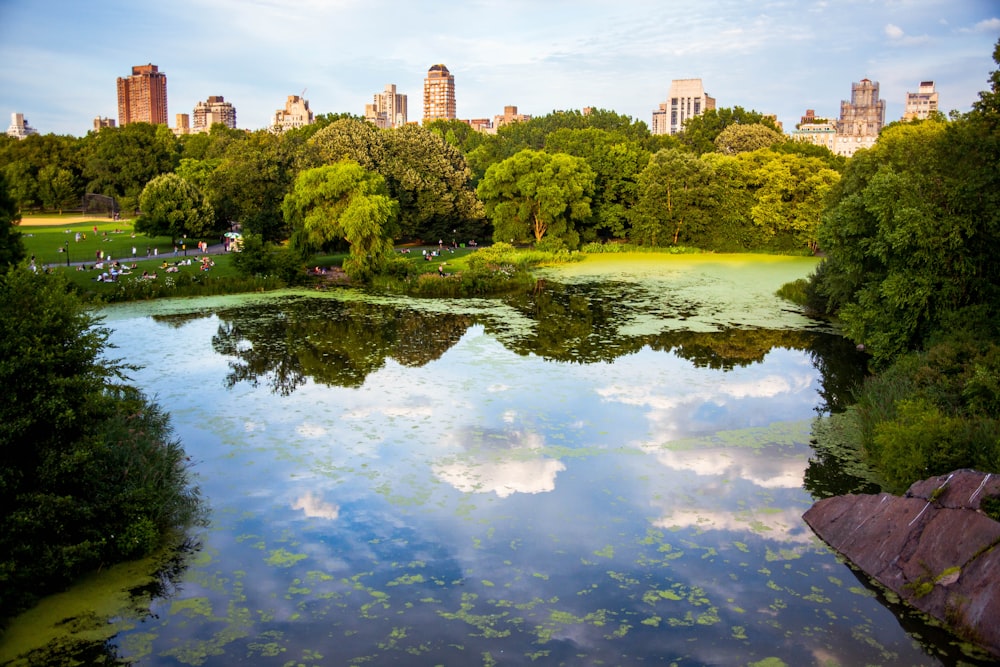
green trees near body of water

Supporting Urban Agriculture

We shouldn’t just move and live greener, we should eat green too. Buying local not only helps out your friendly neighborhood farmer, but is often a healthier and more delicious choice than industrially cultivated food. Visiting farmers markets, participating in local gardening initiatives, and advocating for policy that protects urban gardening space are all ways to make your city—and your dinner plate—greener. Being conscious of how you consume is step one of many in ensuring your city’s sustainable future, and encouraging others to do so as well makes greener city life a tangible reality.

Filed Under: Live, Recent Tagged With: green

Why the Ocean is Important to Me

February 12, 2021 by Julianna Reid Leave a Comment

I’ve been drawn to the ocean for as long as I can remember. I was the little girl who watched nature documentaries instead of cartoons. I loved Animal Planet and spent most of my free time watching it, specifically the shows about the ocean. Despite being absolutely infatuated with the ocean, I also feared it. I was terrified of sharks for the majority of my childhood. I was terrified of getting in the ocean, and feared I’d be eaten alive (thanks a lot Jaws…). 

This fear stayed strong up until the summer between my freshman and sophomore years of high school. I was lucky enough to get to go on a trip to the Galapagos. While I was there I had the opportunity to snorkel with sharks. I remember standing on the edge of the boat looking into the water, absolutely petrified. I turned to my friend and told her I was going to sit this one out. My friend looked at me and said “absolutely not, this is a once in a lifetime opportunity and I’m not going to let you miss out on it,” and pushed me in. 

body of water during golden hour

I remember shaking as I hit the water. I quickly made my way over to the rest of the group. My friend who pushed me in swam over and grabbed my hand. “Julianna, trust me, you’re going to be fine.” She was right, I was more than fine. As we started swimming further from the boat I looked down and saw my first shark, second shark, and many more after that. To my surprise, nothing happened. The sharks weren’t trying to hurt me. In fact, they wanted absolutely nothing to do with me. I calmed down completely and couldn’t wait to see the next shark. For the first time in my life, I was exactly where I needed to be —the ocean. I left that trip knowing I had to get back into the water again.

Diving Into the Deep End

I got home from the Galapagos and immediately signed up to be scuba certified. As soon as I got in the ocean for my first open water dive, I knew I was home, and completely at peace. I was hooked. That same week I got my advanced open water certification. I signed up for a summer program in the British Virgin Islands to get my rescue diver certification and take an introductory marine biology class.

When the time came to go to college and pick a major, the choice was an easy one. Marine biology. I chose to dedicate the rest of my life to the ocean. To this day, I wonder where I would be if my friend had never pushed me into the water in the Galapagos 8 years ago.

five birds flying on the sea

Today, I’ve logged around 400 dives all over the globe. I’ve been lucky enough to see the most beautiful reefs our world has to offer, I’ve even returned to some of these reefs year after year. It saddens me to tell you that these reefs are not thriving like they did 5 or so years ago. As a soon to be graduate in marine science, and as a scuba instructor on the front line, I can tell you this: Our ocean needs us. We need to do all we can, because we rely on the ocean for much more than you realize. 

Why the Ocean is Important to You

Your everyday life as you know it wouldn’t be possible without a healthy ocean, even if you’re completely landlocked and hundreds of thousands of miles away from the ocean. The ocean is also vastly important economically. 

The Economy

Trade wouldn’t be possible without the ocean. It is estimated that, in 2017 alone around $1.6 trillion dollars worth of cargo came through ports in the United States. In addition to this the ocean is also highly economically  important to tourism and recreation industries. In 2017, leisure and hospitality industries in coastal counties in the United States grossed over $185 billion in revenue. These areas would suffer greatly if they did not have the ocean bringing in tourists.

Huge Source of Food

The ocean is one of the worlds biggest food sources. In fact, there are an estimated 3 billion people that rely on the ocean as their primary source of protein. Without a healthy ocean, these people are at risk from going hungry. Furthermore, the ocean holds some of the worlds most expensive fish and seafoods (tuna, scallops, lobster, etc.) Entire communities are built  on these fisheries and if these animals were to go extinct, many people would lose their livelihoods.

black fishing rod and body of water during golden hour

Oxygen Supply

It’s estimated that the ocean produces 50-80% of the world’s oxygen supply each year. 

Regulating Atmospheric Conditions

The ocean is also the main driver of climate regulation on our planet. Every day, the ocean absorbs solar radiation and releases it as heat to drive atmospheric circulation, which is a huge influencer on our atmospheric conditions. 

The Carbon cycle 

The ocean acts as a carbon sink, which is a reservoir or store for carbon that keeps it out of the carbon cycle. Since the industrial revolution, the ocean is estimated to have absorbed 39% of the CO2 we have emitted. 

Intrinsic Value

The ocean is also highly important intrinsically. It’s a natural resource that is not only beautiful, but also naturally important. It is estimated that the world’s oceans contain between 500,000 to 10 million different species.  Each of these organisms are uniquely important and an integral part of the ecosystem. Losing just a few of them could cause problems throughout the various trophic levels. Many of these organisms are still unidentified or not greatly studied and they could be the keys to various scientific breakthroughs. Who knows, there may be an animal out there that can  cure cancer, or one that eats plastic. But we will never know if they go extinct. 

How You Can Help Protect the Ocean

People like to think that they themselves as a single person can’t make a difference in the world. I beg to differ. If each and every one of us makes one small environmentally friendly change we could help save and protect not only our oceans, but our planet, too. There are a variety of things that need to be done to save our ocean. 

Minimize Your Carbon Footprint

Transportation and gas are huge contributors to increasing our carbon emissions and increasing the amount of carbon dioxide the ocean is absorbing each day. To fight this in your everyday life, you could carpool with friends to work or school, take public transportation, or bike to work (if it is close enough to do so).

Avoid Plastics

The next thing you can do is to try to reduce your plastic consumption as a whole. Plastics are made by burning fossil fuels so using them causes more to be made, which is not good for the environment. 

blue plastic cup held by hand with yellow gloves at the beach

Stay Informed

The final thing you can do is educate yourself, and others. Information on the ocean and other environmental news is widely available, but not widely known or understood by most people. So, in your free time do some research on topics that interest you and as questions if you don’t understand. There are tons of people out there who would love to explain these topics to you.

The most important thing for you to do to protect the ocean is to take the first step. You don’t need to get a science degree or anything like that. Making little lifestyle changes to help our environment will make lasting impacts. We’re all in this together, we only have one planet, and each of us has an individual responsibility to protect it. 

Filed Under: Live, Recent Tagged With: ocean

Biodiversity: A Loss We Can’t Withstand

February 12, 2021 by Caitlin Fields Leave a Comment

On this planet, there are millions of species. As staggering as that number may be, there once were even more roaming the planet. Of all those that have gone extinct, we remember only so many, and have discovered only a small fraction of what once lived. How did these creatures all come to exist? Why were they no longer able to find solace here? To understand that, I’ll need to introduce one of the most important concepts of life: biodiversity. 

What is “Biodiversity”?

Biodiversity has a lot of different levels, but I’ll be focusing on its impact among ecosystems, or the community found between living things and their environment. In this scenario, biodiversity is defined as how many different organisms inhabit the same environment. A pond with only minnows has little to no biodiversity, but one with minnows, dragonflies, frogs, ducks, and all the other creatures we’re used to seeing there provides a higher level of variation.

brown antelope and zebra on field at daytime

Each and every living area, from the smallest microbiome to the entire planet has (and needs!) biodiversity. Healthy environments, a reliable source of food, and other factors make it so that there will always be more to discover. Everything thrives in a peaceful ecosystem, leaving us with a continuously evolving world.

What causes biodiversity loss?

Just as a rich environment encourages biodiversity, a poor one stunts it. Biodiversity loss is when a species or subsection of one disappears from its ecosystem. In some cases the loss is so great, it leads to extinction. By losing the species that inhabit our planet, we’re also losing important food and nutrient sources and disrupting the food chain, which affects us all.

There are a great many factors that lead to this, and unfortunately, the biggest one is human activity. In order to do better by our planet, we first need to understand our impact. 

Habitat loss is generally caused by our ever-growing population. As we multiply, we take up more and more land for homes, retailers, restaurants, and roads. The more we consume, the less space Earth’s other inhabitants are left to fight over. 

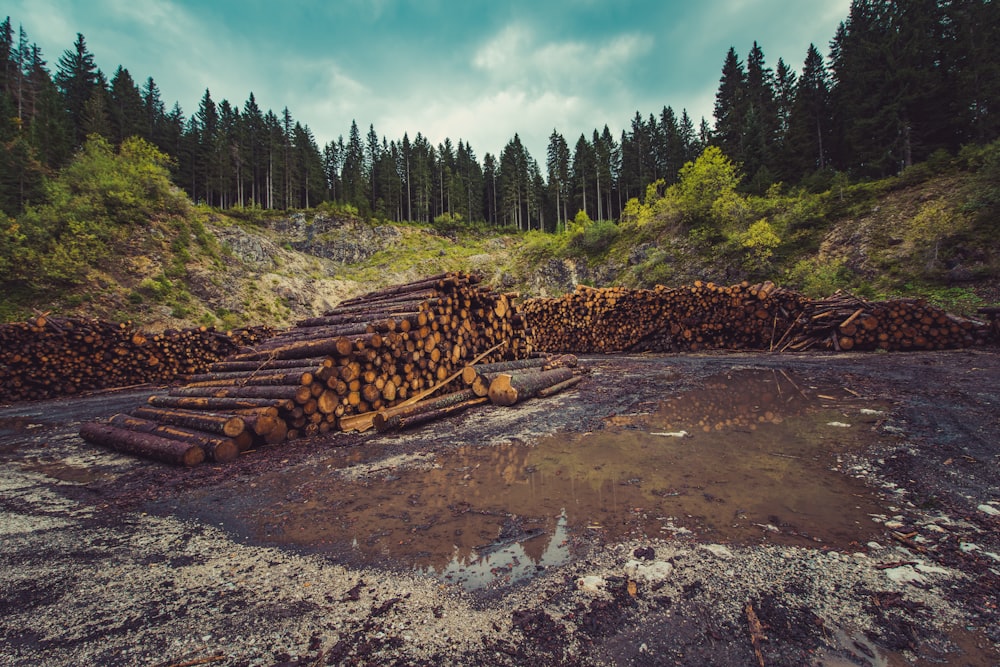
firewood on river

Overexploitation is most heavily seen in fishing, hunting, and poaching. News stories of endangered species getting caught in fishing nets, people killing them for sport, and poachers illegally slaughtering elephants for their precious tusks. 

Invasive species are those that inhibit the growth or life of others. While this does happen naturally, habitat loss and overexploitation (as well as pollution and rising temperatures) speed up the process, showcasing some of the indirect harm we impose. For example, species of jellyfish have begun to overrun the seas. If massive commercial fishing operations continue untouched, soon only jellyfish will remain.

Pollution is one of the biggest threats to biodiversity. Pollution does not just mean to dirty the air, it is to introduce substances to the environment that are harmful or poisonous. Plastic soda rings can get caught around an animal’s neck, and inhibit their breathing. Cigarettes poison plants and animals alike. Light pollution, or the excessive use of artificial light, disrupts migratory patterns and makes breeding less sustainable, which can be the difference between life and extinction for endangered species.

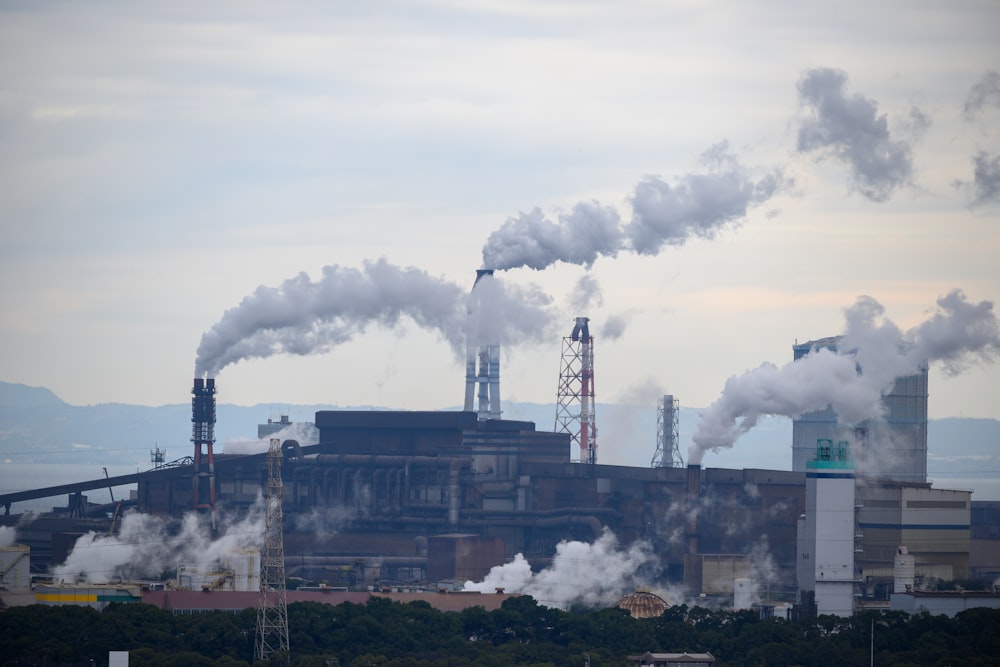
factory smoke coming out from factory

Rising temperatures are something that until very recently had been happening slowly over time. It is defined as “a long-term change in the average weather patterns that have come to define Earth’s local, regional, and global climates”. These changes confuse species of all backgrounds, and lead to habitat loss and invasive species as well.

Why does all of this matter?

To make a long story short (too late), plant and animal species make up an important part of our diet. We gain nutrients to help us grow stronger, it encourages biomass production and nutrient cycling, and even provides us with a multitude of jobs. We are who we are because of the species around us, and it’s all the more reason to promote the proliferation of biodiversity.

How do we reintroduce biodiversity?

While there are many unfortunate stories of species becoming relics of the past, there are also those where it inspires hope into how the future can change for the better. For instance, take Canopy; this company starts initiatives around the world to plant trees in areas where forests have diminished, and plants are in short supply. Each of their past projects have boasted over 1,000+ planted trees, and they’re determined to keep up the fight. 

The Coral Gardeners have been slowly reintroducing biodiversity back into our reefs through their hard work restoring broken coral. The Ocean CleanUp has goals to clear out 90% of the pollution that floats in our seas, with some stunning new technology by their side. All around us, the atmosphere is changing. People are coming together to put an end to the destruction of the planet, and you could be one of them. For more examples of success stories, click here!

What you can do to help promote biodiversity

Finally! The good news: we each have the power to help preserve our planet’s biodiversity. Here are some of the ways we can do our part to help stop biodiversity loss:

  • Take a bike, or take a hike!
    • Biking or walking places can help lower greenhouse gas emissions, slowing the spread of unnatural temperature increases
  • Avoid buying animal products
    • A lot of tourist attractions come complete with gift shops, and those gift shops have figurines and trinkets made of bone, ivory, and other materials that have resulted from loss of animal life. By not purchasing these items, the market of interest for them will go down, and species numbers may go up!
  • Skip the pesticides in your garden and groceries
    • Pesticides are filled with harmful chemicals that hurt both your plants and the environment. When it rains, the chemicals run off into the environment, and can poison plants and animals or destroy soil or nutrients that species rely on for survival
    • Buying organic means you are supporting businesses that do not use pesticides
  • Plant trees and save the bees
    • Planting trees gives rise to new habitats for animals that may have been displaced by our actions, and can introduce nutrients back into desolate soils
    • Bees are to thank for a large part of floral biodiversity through their pollination efforts, and there’s a lot we can do to return the favor

As you can see, there is no end to the things you can achieve in the efforts to restore our planet as a safe home for those that remain, a flourishing ecosystem with rich levels of biodiversity. Each and every one of us has an important role to play in making our Planet Home safe and healthy for all..

Filed Under: Live Tagged With: biodiversity

A Love Letter to the Night Sky

February 12, 2021 by Connor Flynn Leave a Comment

To the Night Sky, 

As the days come to a close, I find myself looking up at the sky above me.  With the sun setting on the horizon, your vibrant colors begin to shine through the thin clouds.  Your pink and purple hues never fail to make me smile.  It’s a sight that I’ll never get tired of.  

I can’t tell you how many times my friends and I would hop in the car and drive off to the best location we could find, as if we were chasing the falling sun, hoping to catch a glimpse of your beautiful cotton candy skies.  

I can’t tell you how many pictures I have of you saved on my phone, always taking more because one or two… or a hundred are just never enough.  

I can’t tell you how many countless memories I’ve made with you peering on in the background, always there to make me smile because you truly are part of the reason why I have those memories to begin with.  

It’s in those fleeting moments, when your radiating colors fade into darkness, that I am most grateful for you.  In those moments, I am in awe of your beauty and amazed by this world we live in.  

Then, in an instant, complete darkness floods the sky.  The bright luminescence of the moon takes the place of the sun and twinkling stars fill the void for as far as you can see.  

Everything is still. 

The sound of crickets chirping and the occasional owl pierce through the silence.  Night is different from day in so many ways.  Polar opposites, but still so beautiful.

While the sunset amazes me for its beauty, the night sky amazes me for its vastness.  On warm summer nights, I love to go outside, place a blanket on the soft grass, and lay there for what feels like an eternity.  Filled with awe, I take in the beauty of the dark and silent void. 

As far back as I can remember, I’ve always had a fascination with space.  It blows my mind that when we look up at the stars, we’re seeing light from, oftentimes, hundreds of years ago.  We’re literally taking a look into the past.  

How cool is that?! 

I want nothing more than to go to the middle of nowhere, lay down in an open field, and look up at the night sky flooded with the colors and the stars of the Milky Way Galaxy.  

Free of light pollution.  Free of worries.  Free of… well, everything.  Just me and nature.  

Staring up at the night sky, I’m reminded of just how small we really are.  How incredible it is to be living at this moment in time, on a planet that gives us everything we could ever need. 

And that’s exactly why we need to protect it. 

Imagine living in a world without sunsets.  Imagine living in a world where you aren’t able to see the thousands and thousands of stars in the night sky.  

I, for one, don’t even want to imagine something like that.  

So, let’s all be a little bit kinder to our planet.  Whatever it may be — reducing your carbon footprint, using fewer plastic products, conserving energy — we owe it to our home.  

After all, it’s the only home we’ve got.  

So thank you, night sky.  From your gorgeous sunsets to your awe-inspiring star-filled abyss, I owe you big time for providing me with stunning views, endless inspiration, and countless memories that I’ll never forget.  

From your (not so) secret admirer, 

Connor

Editors’ Note: This love letter is part of Planet Home’s Valentine’s Day series. We asked our team to write an ode to a part of the world they feel most connected to. We hope this inspires you to appreciate all things big and small that make our planet feel like home.

Filed Under: Recent Tagged With: holidays

  • « Go to Previous Page
  • Page 1
  • Interim pages omitted …
  • Page 34
  • Page 35
  • Page 36
  • Page 37
  • Page 38
  • Interim pages omitted …
  • Page 54
  • Go to Next Page »

Primary Sidebar

Recent Posts

  • PLANET HOME Announces $1 Million Tough Tech Prize at Inaugural Gala During Tough Tech Week
  • Planet Home and DataEnergy are solving the Green Computing Dilemma with Renewable AI Infrastructure
  • The Great AI Scale-Up: Balancing Compute Power with Planetary Boundaries
  • The Algorithm’s Bargain: Is AI Really for Good?
  • Code, Culture, and Creation: How AI is Remixing Entertainment’s DNA

Recent Comments

  • Liam Jacobs on Fricken’ Flying Taxis: The Future of Travel is Closer Than You Think
  • Izabella Bauer on The Pressing Plastic Problem
  • Broderick Ruiz on The Pressing Plastic Problem
  • Cherish Velez on The Pressing Plastic Problem
  • Anika Scott on The Pressing Plastic Problem

Archives

  • November 2025
  • April 2025
  • February 2025
  • January 2025
  • June 2022
  • April 2022
  • March 2022
  • February 2022
  • January 2022
  • December 2021
  • November 2021
  • October 2021
  • September 2021
  • August 2021
  • July 2021
  • June 2021
  • May 2021
  • April 2021
  • March 2021
  • February 2021
  • January 2021
  • December 2020
  • November 2020
  • October 2020
  • September 2020
  • August 2020
  • July 2020

Categories

  • AI
  • Community
  • Eat
  • energy
  • Featured
  • Live
  • Make
  • Move
  • Network
  • Press
  • Recent
  • Solutionist 100
  • Solutionists Making Moves
  • Solutions

Meta

  • Log in
  • Entries feed
  • Comments feed
  • WordPress.org

Design

With an emphasis on typography, white space, and mobile-optimized design, your website will look absolutely breathtaking.

Learn more about design.

TRENDING NOW

  • PLANET HOME Announces $1 Million Tough Tech Prize at Inaugural Gala During Tough Tech Week
  • Planet Home and DataEnergy are solving the Green Computing Dilemma with Renewable AI Infrastructure
  • The Great AI Scale-Up: Balancing Compute Power with Planetary Boundaries
  • The Algorithm’s Bargain: Is AI Really for Good?
  • Code, Culture, and Creation: How AI is Remixing Entertainment’s DNA

NEVER MISS A SOLUTION!

Sign up for our mailing list to stay up to date on planet saving solutions, news, and events from PLANET HOME!


BROWSE BY TAGS:

action carbon carbon emissions circular economy coronavirus eat education energy environment esg events fashion finance food green holidays industry lifestyle live make material science move music nature ocean oceans ocean stewardship planet plant-based plastic profile recycling s100 solutionist solutionists solutions sustainability tech technology tiktok transportation vegan waste water wildlife
Locations
Resources
Legal

Footer

Locations
Resources
Legal
  • Facebook
  • Instagram
  • LinkedIn
  • Pinterest
  • Twitter
  • YouTube
  • San Francisco
  • Los Angeles
  • New York
  • About PLANET HOME
  • Contact
  • Media
  • Employment
  • Terms of Use
  • Privacy Policy
  • Press

©2021 Planet Home. All rights reserved.
Use of and/or registration on any portion of this site constitutes acceptance of our User Agreement (updated 5/25/18) and Privacy Policy and Cookie Statement (updated 6/8/21) Your California Privacy Rights. The material on this site may not be reproduced, distributed, transmitted, cached or otherwise used except with the prior written permission of PH.

This website uses cookies to improve your experience. We'll assume you're ok with this, but you can opt-out if you wish. Cookie settingsACCEPT
Privacy & Cookies Policy

Privacy Overview

This website uses cookies to improve your experience while you navigate through the website. Out of these cookies, the cookies that are categorized as necessary are stored on your browser as they are essential for the working of basic functionalities of the website. We also use third-party cookies that help us analyze and understand how you use this website. These cookies will be stored in your browser only with your consent. You also have the option to opt-out of these cookies. But opting out of some of these cookies may have an effect on your browsing experience.
Necessary
Always Enabled
Necessary cookies are absolutely essential for the website to function properly. This category only includes cookies that ensures basic functionalities and security features of the website. These cookies do not store any personal information.
Non-necessary
Any cookies that may not be particularly necessary for the website to function and is used specifically to collect user personal data via analytics, ads, other embedded contents are termed as non-necessary cookies. It is mandatory to procure user consent prior to running these cookies on your website.
SAVE & ACCEPT