• Skip to primary navigation
  • Skip to main content
  • Skip to primary sidebar
  • Skip to footer
Planet Home

Planet Home

Culture Solutions

  • ECOSYSTEM
    • EAT
      • Food Security & Production
      • Land Stewardship
      • Ocean Stewardship
      • Health + Wellness
    • MAKE
      • Circular Economies
      • Green Manufacturing
      • Material Science
      • Regenerative Ecosystems
    • MOVE
      • Clean Transport
      • New Fuel Sources
      • Virtual Connections
      • Ecological Explorations
    • LIVE
      • Sustainable Communities
      • Biodiversity
      • Atmospheric Conditions
      • Renewable + Equitable Energy
  • VENTURE STUDIO
  • LABS
  • EVENTS
  • ARTICLES
    • Featured
    • Network
    • Press
  • Menu bars
  • COMPANY
  • VENTURE STUDIO
  • LABS
  • ABOUT
  • CONTACT
  • NETWORK
  • ECOSYSTEM
  • COMMUNITY
  • MEDIA
  • VIDEO
  • PHOTO
  • PRESS
  • Podcast
  • EVENTS
  • ALL
  • 2019 SUMMIT
  • 2017 SUMMIT
  • Terms of Use
  • Privacy Policy
  • Facebook
  • Instagram
  • LinkedIn
  • Pinterest
  • Twitter
  • YouTube

How to Be a Planet-Friendly New Yorker

How to Be a Planet-Friendly New Yorker

April 12, 2021 by Catherine O'Connor Leave a Comment

Having lived in NY my entire life, I’ve seen the state and city go through many changes. One of the most noticeable changes has always been the level of waste you can see when going about your travels and daily routine. Rather than focusing on the negatives, let’s focus on the positives. New Yorkers have a few unique benefits when it comes to trying to be more environmentally friendly. Many New Yorker’s don’t own cars and take public transit and don’t have lawns to water, which makes all the difference!

New Yorkers have so much opportunity to capitalize and help improve the status of the world – so let’s do it together! 

man in black jacket and blue denim jeans standing beside woman in black jacket

Let’s Have a Different Conversation 

So often, the conversation is about recycling; about how we can clean up the mess we’ve already made. We focus so heavily on cleaning up the mess, but never on preventing the mess in the first place. Recycling shifts our attention from the real problem, let’s emphasize reducing before recycling. This is a great resource on how to start that process! 

Living in New York, it can be difficult to reduce when you get caught up in the fast-paced lifestyle. There’s takeout, online shopping, fancy grocery stores with a plethora of plastic packaging, fun clothing stores that if we took the time to really look into them, are not very ethical or environmentally concerned. Let’s romanticise our lives in a different way. Let’s romanticise a New York sustainable lifestyle because nothing is cooler than living an environmentally conscious and waste-free (or close to it) lifestyle. 

So How Can You Be a Planet-Friendly New Yorker? 

The great thing about being in New York is that there are so many options for us out there. We have access to second-hand stores, swap-meets, refill stores and more to help you live the best environmentally conscious life you can. Specifically, we are looking to focus on reducing waste, but there are so many other ways you can be more environmentally friendly beyond the resources I am sharing with you. 
gold and silver trophy on brown wooden shelf

A simple google search of “NYC Thrift” will reveal dozens upon dozens of options. I personally like to stay away from the big ones like Buffalo Exchange and Goodwill and support smaller owned businesses. Cure Thrift is one of my favorites and a bonus perk of shopping there is that all proceeds go towards type 1 diabetes research and advocacy. 

Speaking of big brands, there is an awesome store called The RealReal, which is a favorite second hand designer store of mine. Many of those big name brands like Louis Vuitton, Gucci, etc. are not very ethical, but buying them secondhand helps prevent waste and saves you some money! Here is another great Planet Home piece that goes more in depth on this topic! 

Swap Madness is a really great resource for swap meetups. If you are unfamiliar with swap meets, it’s exactly what you’re assuming! These are locations where you can trade items with others to help prevent waste and help each other doing so! It’s like they say- another man’s trash is another man’s treasure! 

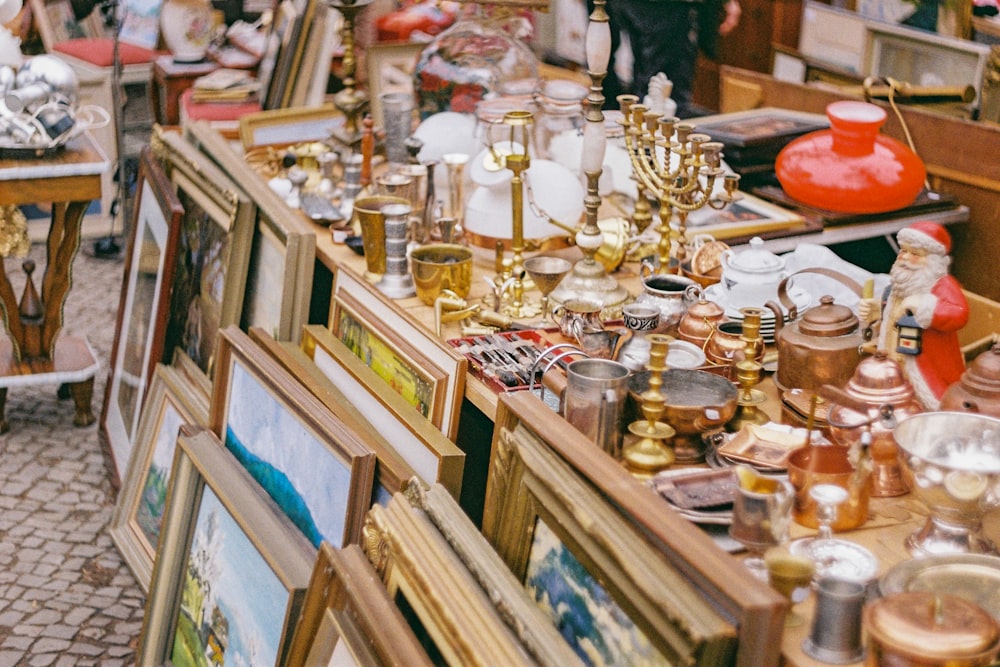
Another type of swap meet is a flea market. There are many awesome flea markets in the city, one of my favorites being Chelsea Flea! I went to Chelsea Flea last weekend with a friend and got two beautiful Sterling silver rings that I have not taken off since! 

As far as preventative shopping goes, Precycle is an awesome grocery store located in Brooklyn that sells in bulk where you can use reusable containers to take their items home. Due to COVID, they’re offering curbside and delivery only, which does dampen your ability to reuse the same containers, but their items are still locally sourced and way less wasteful! 

What Difference Does it Make? 

Any difference is a difference and that’s what we all need to keep in mind. “Oh I’m just one person” should not be an excuse to avoid action; it should be a call to action to make as positive of an impact as possible, being just one person but causing mountains of change. 

By preventing waste, we won’t need to focus as heavily on recycling which does wonders to help the very overwhelmed system we call life. We discussed some of the many options for preventing waste, so let’s all work together! I hope this inspires you to look into the resources around you!

Filed Under: Live, Recent Tagged With: live

Getting Wasted: Recycling at Fordham University

April 12, 2021 by Catherine O'Connor Leave a Comment

Being in college, there are many limitations on the things you have, the things you can do, and the ways you can do them. Many college students do not have the ability to cook, or they have very minimal options for means of a kitchen. Typically they just have access to a microwave and a mini fridge. They often do not have personal bathrooms and have to share with their entire dorm floor. They often do not have cars and must use public transportation for their means of travel and commuting if needed. Having just graduated from Fordham University, I understand very well the limitations and struggles of being a college student.

However, I commuted to college at Fordham – so my experience is quite different than the average person. I was able to go home, use a full kitchen and use my own bathroom and shower. I often did not eat at the dining halls on campus because they’re not great and if I had anything to throw home or recycle, I’d more often than not bring it home with me and do so there. 

black metal bunk bed

I had always wondered what resources my college, Fordham University, had to offer as far as eco-friendly alternatives and options go. So I did some research. 

Fordham’s Resources 

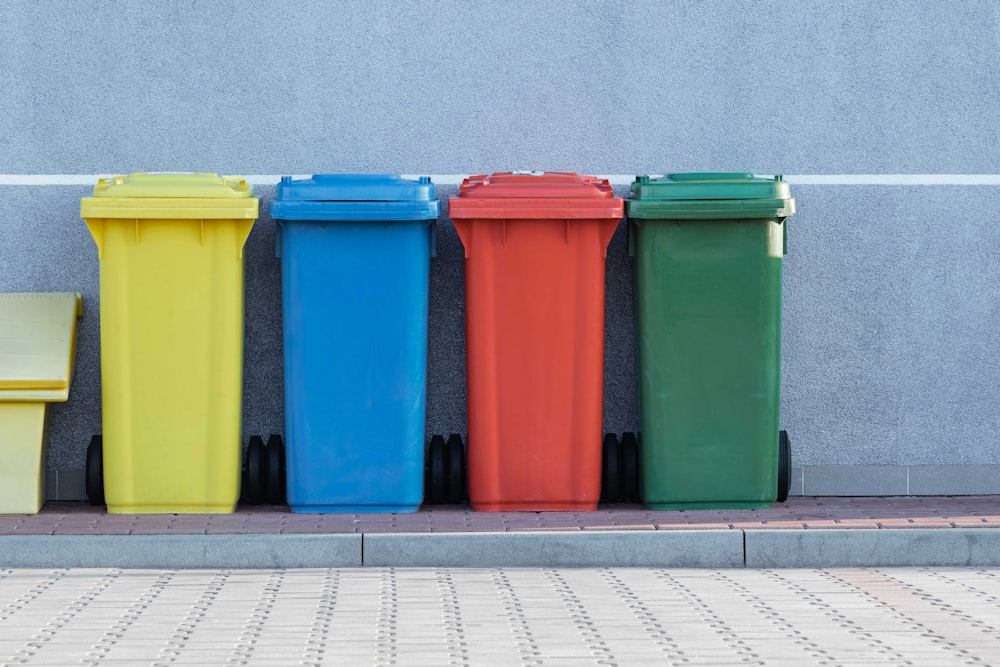
Fordham has a tab on their website entitled “Campus Recycling” which outlines what materials they recycle and what buildings recycle what. I know from being a student at Fordham, that there are plenty of recycling bins all across the campus. What I didn’t know was that Fordham actually helps donate old furniture (which can be a pain in the butt to do), toner cartridges, and any construction related materials that they use / don’t use, which is very reassuring knowing how much construction Fordham is undergoing recently. I was especially relieved to read that Fordham has a process for donating old furniture, especially with students changing their living situations year to year or even semester to semester. This can help prevent a lot of large waste!

I also found a really great Sustainability Guide, created by students, that addressed things like turning your dorm room lights off when leaving the room, public transportation options, and unplugging your chords from outlets when they’re not being used. I definitely recommend checking this out! 

I was also very pleased with Fordham’s Green Campus Initiatives, which included facts like:

  • More than 600 cubic yards of leaf and debris are composted annually 
  • They are reducing their use of inorganic fertilizers
  • The Bronx campus has one of the largest collections of mature American elms trees
  • All Fordham campuses use low flow irrigation systems
  • Fordham uses certified green cleaning products

I was also happy to discover that in 2019, Fordham provided an option for recycling technology– which is a harder material to recycle. They do say that they are not responsible for any information left on the devices however, so make sure you do a factory reset before recycling! 

four assorted-color trash bins beside gray wall

A huge concern I had when it came to Fordham’s dining halls was food waste and I was relieved to see a sustainability tab on the dining hall website. Fordham’s dining halls ensure they do their best to minimize food waste and reduce packaging when possible. 

Fordham’s Students: Student Led Sustainability 

Beyond Fordham’s administration related protocols, I wanted to look further into what resources students were putting time and effort into. I myself was a part of a club at Fordham called Fashion for Philanthropy, so I knew there were a few sustainable / environmental related clubs on campus, but I wanted to better look into them. 

Fashion for Philanthropy

FFP is a club that I was a part of for the last 2 years I was at Fordham. I really loved being a part of this community because they had such fun events, like a fashion show in the Spring, and they did a great job of educating us on ethical and sustainable brands. Their Instagram handle is @fordhamffp if you’d like to check them out!

Fordham Sustainable Fashion 

“Fordham Sustainable Fashion is a subsection of the Social Innovation Collaboratory (at Fordham). Our key pillars are circularity, innovation, and inclusivity, and our goal is to create a movement on campus and beyond, by tackling sustainability-related challenges in the fashion industry. We collaborate with professionals from sustainable fashion brands to expand our network, knowledge base, and skill sets, and ultimately educate the Fordham community and make real world impacts in the industry. This semester we are working on several exciting events and projects that will involve the entire Fordham community, so keep an eye out to get involved soon!”

group of people standing under string lights

From what I’ve seen, Fordham Sustainable Fashion is doing a really great job of educating Fordham students on how to be involved in fashion ethically, which is an amazing effort especially in NYC. College life can lead to a lot of clothing waste, so making a conscious effort to avoid that is so impactful.

Fordham Fair Trade

“Students for Fair Trade seek to educate Fordham students about the impact that their consumer choices have on laborers and communities around the world. Fordham is a Fair Trade University, which means we have 2+ Fair Trade Certified products at every dining location.”

Students for Fair Trade at Fordham do a really great job of educating students about Fair Trade- that being the certification signifying that a product was produced sustainably and equitably. This can really help ensure that you are ethically buying and often when a product is made ethically, it’s also made stronger, which can help prevent replacement purchases.

Fordham Sustainability 

Fordham Sustainability is a student organization that does an amazing job of educating students about all things sustainability. They recently posted on their Instagram account (fordhamsustainability) about community fridges and why they’re important. For more context, community fridges are a form of aid for struggling neighborhoods where people with the means to help can donate and fill a community fridge to help that neighborhood. 

Fordham Flea 

Fordham Flea is an organization and Instagram account (fordham.flea) that gives students the ability to sell and buy from each other, therefore eliminating waste when they get tired of some of their belongings. 

black smartphone showing icons with icons

Actions You Can Take

Fordham student or not, I hope this motivates you to ensure that your school is making efforts to minimize their waste. If your school does not have adequate resources, create them! If we all work together, we can rally/petition/vote for better green resources and calls to action.

Filed Under: Recent

What Can We do about Overfishing Right Now?

April 12, 2021 by Caitlin Fields Leave a Comment

When I was a kid, I wanted to learn how to fish. I would see it in the movies or at the pond in my hometown, where parents and children laughed as they reeled in their catches, small but nevertheless meaningful. As I got older, I saw less and less people doing it for fun, and heard more and more about big corporations taking over the oceans. I would come home and see advertisements for shows where fishing meant competing to reel in as many sea creatures as you could as quickly as you could, with little to no regard for the wildlife that got caught up in the fight. The enjoyment was gone, and now, so are the fish.

What Can Be Done?

Thankfully, there are already some great projects in the works to stop overfishing and get the oceans back on track, and multiple success stories to go with them.

The World Wildlife Fund (WWF) has started the fight against overfishing by working with the global markets to arrange price changes that reflect the seasons in which certain species are available. They are also creating and expanding countless marine protected areas, and addressing the lack of regulation in the fishing industry as a whole.

There have also been countless reports that genetically-modified fish may soon become part of the average diet, shelved alongside many other engineered products. This will make a positive impact on the overfishing problem and help curb the demand for ocean products, however both sides have a lot to say when it comes to the health benefits and risks that come with genetically-modified foods overall.

brown rock formation on sea during daytime

As for a success story, look no further than the Galapagos Islands! Once a beautiful oasis for a plethora of various marine wildlife, the Galapagos too fell prey to overfishing in the 1980’s and 1990’s. Scared for what would become of the islands, local communities banded together and got the area declared off-limits for fishing. Due to their efforts, it took a little over 20 years to get the populations back to where they were, and biomass increased an unbelievable 460% in 10 years.

Facts & Stats

Why is overfishing such a pressing problem? Let’s go over some statistics behind overfishing. Don’t let the numbers scare you, just use them as inspiration for ways we can better our planet.

  • 33% of global fish species are overfished (some to extinction), and 60% of global fish species are at max capacity, meaning they are on the cusp of being declared overfished
  • Over the past 40 years, there has been a roughly 40% decrease in marine species
  • If things continue this way, it’s estimated that every fishery across the globe will fail by the year 2048 — just 27 years from now

What YOU Can Do!

The best things for you as a consumer to do is make educated decisions about your own intake of fish, and donate to organizations dedicated to stop the onslaught of overfishing.

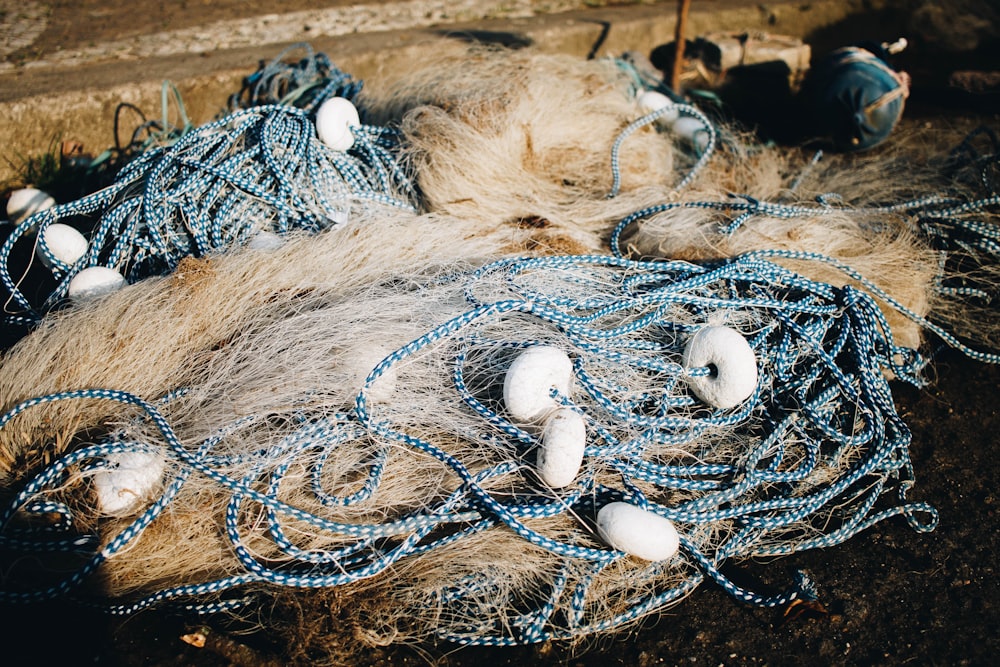
white and brown fish net

Using a platform known as FishWatch, you can easily look up different species of fish that you enjoy including in your diet, and get a bunch of different facts on the state of overfishing. This database gives you a status on population level, habitat impacts that fishing takes, the rate at which they are fished, the probabilities of bycatch, and the season in which they are readily available. Outside of that, it also gives you information regarding the taste, color, source, texture, health benefits, and basic scientific facts to satisfy your environmental, educational, and hunger needs!

For more information or places to donate, see the Environmental Defense Fund (EDF), GreenPeace International, Sea Shepherd Conservation Society (SSS), or the World Wildlife Fund (WWF).

I hope you will all join me in the effort to curb overfishing, and make informed decisions about the seafood we eat. With the worrying numbers of endangered species climbing up each and every day, we don’t have too long to “mullet” over. Now is the time to take action, and speak up for our oceans!

Filed Under: Eat, Recent Tagged With: eat

Electric Vehicles: The Future is Now!

April 12, 2021 by Brandon Musto 1 Comment

Since the turn of the 21st century, hybrid and then all-electric vehicles have been gaining popularity among both auto manufacturers and consumers. In 1997, Toyota debuted the Prius, the first mass produced hybrid vehicle, thus laying the groundwork for the slew of hybrid and all electrical vehicles we’re familiar with now. Rapid innovation in batteries, chargers, and manufacturing facilities has allowed newer entrants like Tesla to find a niche making exclusively electric cars, something which would have been absurd to imagine even 15 years ago. 

But are hybrid and electric vehicles actually making the world greener? In terms of the amount of particles emitted per vehicle, it is a resounding yes! 

Back to the Future

The answer is a bit more nuanced when looking at how much energy will be needed to power them in the future. According to analysis done by Thomson Reuters, by the year 2040 we could see a world where roughly half of the vehicles on the road would still be powered by fossil fuels, but all new vehicles sold would be EVs. As a result, carbon dioxide production from passenger cars would fall to 1.7 billion metric tons from the over 3 billion metric tons emitted today. 

The charts below (methodology found here) help visualize the trend in vehicle composition, emissions, and energy demand that we might witness: 

This green car revolution will be even more pronounced should forms of energy used to charge electric vehicles come from sources like solar, hydroelectric, and wind power, rather than mediums like oil or coal. 

Progress Being Made

Several countries are embracing the EV revolution more than others. It may come as a surprise to some people due to its reputation as the biggest polluter, but China is one of them. It is in fact because of their pollution levels that the government has been promoting the adoption of green technologies through generous subsidies. 

Due to its more command-style economy, China is actively pursuing its stated goals using government force to reduce its dependence on oil from the Middle East, its urban air pollution, and its carbon emissions. For example, in September 2013, the central government introduced a subsidy scheme providing a maximum of US$9,800 toward the purchase of an all-electric passenger vehicle and up to US$81,600 for an electric bus. This has translated to China having the largest stock of highway legal plug-in passenger cars with over 4.5 million units, 42% of the global plug-in car fleet in use. China recently announced its most ambitious goal, however, which is to make all new vehicle sales “green” by 2035, meaning no more vehicles powered exclusively by gasoline or diesel. 

Green cars are clearly the future. Luckily for you, tons of beautiful fully electric cars are already on the market today! That’s not even taking into account the many new companies and vehicle models about to hit the market over the next several years. If you want to conscientiously zoom into the future in style, switching to an all electric or hybrid car is the way to go!  

Filed Under: Move, Recent Tagged With: move

What You Need to Know about Reusable Grocery Bags

April 2, 2021 by Catherine O'Connor Leave a Comment

Many states have recently banned single use plastic bags and now charge a small fee for alternative brown paper bags. For me in New York, that fee ranges anywhere from 5 cents to 50 cents per bag. This was done in an effort to make the transition to reusable bags that much more motivating to consumers. Why? Single use plastic bags are incredibly wasteful. 

How Wasteful are Single Use Plastic Bags, Really?

Single use plastic bags are made from petroleum, a precious natural resource that can not be replenished once diminished. It takes roughly 430,000 gallons of oil to produce just 100 million plastic bags. Americans alone use 100 billion plastic bags a year, which require 12 million barrels of oil to manufacture. Additionally, thousands of animals die each year after swallowing or choking on discarded plastic bags because they can mistake it for food. 

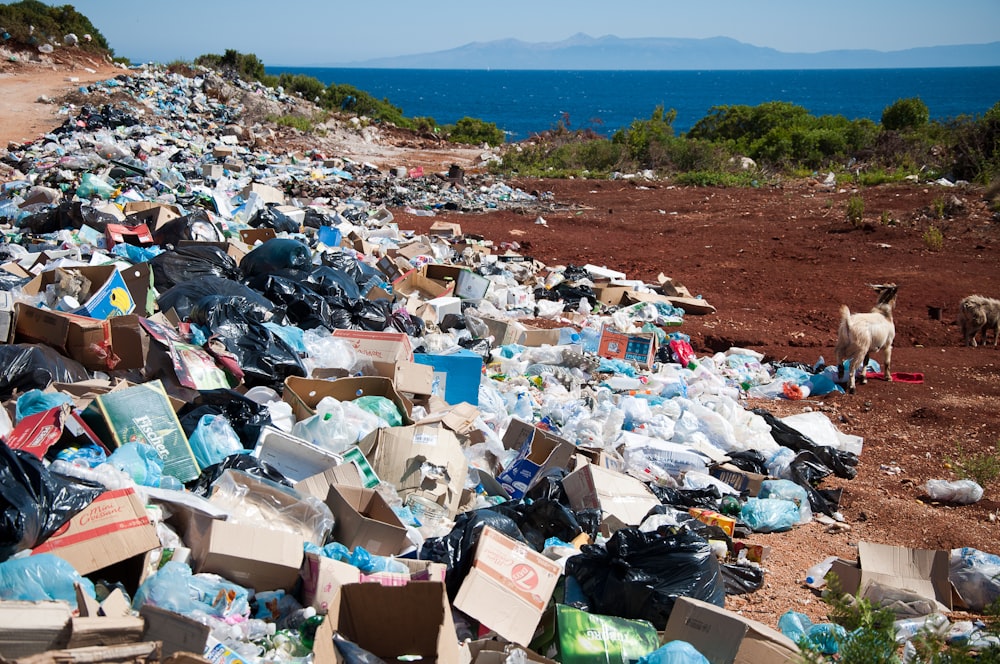
garbage near forest

As of 2017, an average person living in North America or Western Europe uses 100 kilograms (220 pounds) of plastic each year, mostly in the form of packaging. In Asia, average plastic use is currently just one-fifth that level, at 20 kilograms (44 pounds) per person. According to the National Resources Defense Council, the average American household brought home roughly 1,500 plastic bags. You can’t always control the packaging your food comes in or find substitutions when it comes to food packaging, but you do have control over the bags you take your groceries home in. 

You Don’t Need That Many Reusable Bags

Because reusable bags take more resources to create because they consist of more durable materials, buying an unnecessarily large quantity of them can be very counterproductive and wasteful. Start with a few and really assess how many you need. I use about 3 for my biggest grocery trips and I have another 3 for clothing or other shopping. 

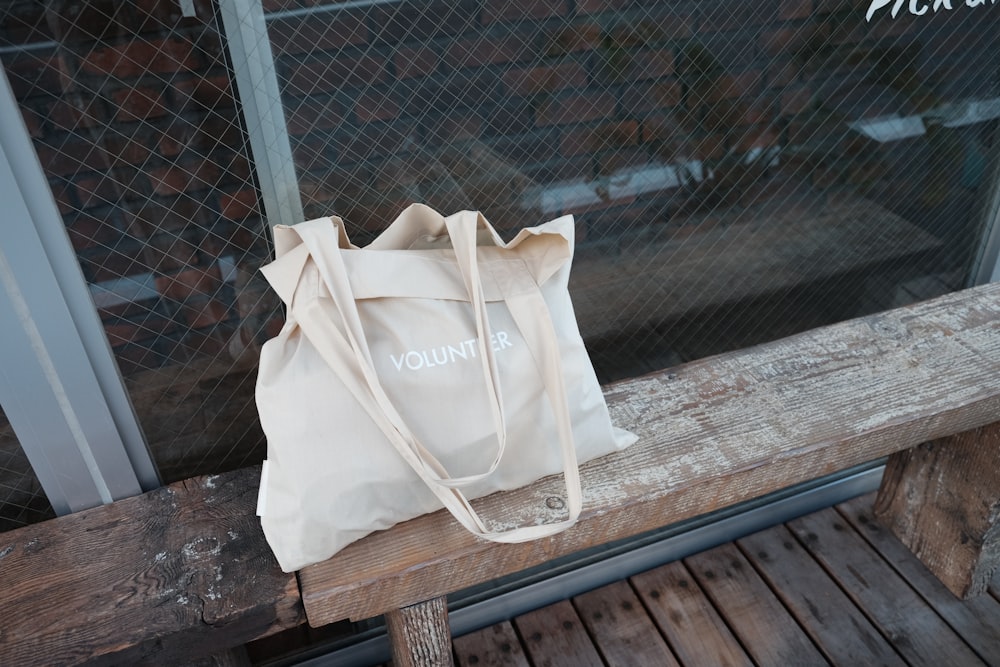
beige tote bag on bench

A great way to reduce waste if you have an unnecessary amount of reusable grocery bags is to donate them to a thrift store or drop them off at a textile recycling center. We have to make our reusable grocery bags as useful as possible for them to be truly sustainable. The next time you forget your bags in your car, go back and get them. 

Not All Reusable Bags are Created Equal

Because it takes so many resources to make a sturdier bag, it is important to do your research when buying reusable bags to make sure they are not doing more harm to the environment than good. Odds are, that reusable bag at the register of your grocery store is not so effective. When purchasing reusable bags, it is important to do your research and find ethically created bags. 

Baguu is a great brand for buying reusable bags. Baguu has really cute styles and their bags are made of recycled nylon.

Society6 makes great canvas totes and their designs are created by unique artists.

Feedproject sells reusable bags and a portion of each sale goes to aiding childhood hunger. 

How to Make Your Reusable Bags Last

When using reusable grocery bags, it is important to keep in mind that you are using them to transport food and subsequently, you should clean them regularly to avoid issues with germs and/or bacteria. You should also make sure to separate foods like meats, unpackaged fruits and vegetables and ready made food. 

When possible, you should try to separate the reusable bags you use for groceries and those you use for other things, like when shopping for clothes. You wouldn’t put your clothes in your fridge (I hope) so you shouldn’t put your clothes in your food bags! 

When it comes to using reusable bags, the point is to be more environmentally friendly. That being said, it is important to be mindful of the types of reusable bags you purchase, choosing options that are sustainably produced. . 

I hope this makes you think on your next trip to the grocery store. Always remember that it’s important to do your research when it comes to any decision you make in your daily life that could impact the planet, not just what types of reusable bags you use. I’m off to wash my reusable bags now, what about you?

Filed Under: Live, Recent Tagged With: lifestyle, live

Bein the Know When it Comes to GMOs

March 31, 2021 by Caitlin Fields Leave a Comment

Ever since the development of genetic engineering (the altering of an organism’s genome) in the 1970s, there has been an ongoing feud between those that believe it could be the savior of modern-day food, and those who are ready to put the brakes on the modification of consumable goods. With both sides putting forth solid counterarguments, here’s what we know about GMOs so far:

What are GMOs?

GMOs, or “genetically modified organisms” are used in many different ways around the world. The term itself refers to any organism that has undergone genetic engineering: bacteria, viruses, animals, plants, you name it!

How are GMOs made?

The process starts with the selection of desired traits, such as disease resistance or higher nutritional value of a certain vitamin or mineral. These are taken from existing species with the gene of interest

The genes that have been settled on for implementation in the new plant are copied and inserted into the intended organism/species

Scientists and investigators grow these plants to adulthood and test them for successful gene implementation (if they wanted a particular disease resistance, they expose the organism to that specific disease and see if it becomes infected)

If the tests are successful (and there are many tests), these plants can be sold to farmers for the production of the crop.

Why were they introduced?

The reason that GMOs were introduced stems from a couple main reasons:

  • Due to the extensive agricultural boom that took place worldwide, in addition to rising carbon dioxide levels (while they need it to survive, too much can be a bad thing!), plants being mass-produced have been losing their nutritional value, causing humans to continually miss out on the natural vitamins and minerals essential to our survival
  • As new plant diseases and afflictions evolved, certain species of foods started to lose the fight, which could potentially leave us without our favorite fruits and veggies in the future
  • With the discovery that pesticides and herbicides were dangerous not only to plants but the humans who consumed food that utilized them came to light, scientists used GMOs to find ways to avoid the use of these dangerous chemicals while still protecting crops from interfering pests

Examples of GMOs

Below are some common foods planted and harvested, ranked by the percentage grown that are actually GMOs (compared to those that are “untouched” genetically), according to the FDA:

  • Sugar Beets – 99.9%
  • Canola – 95%
  • Soybeans – 94%
  • Cotton – 94%
  • Corn – 92%

Now that we know what GMOs are and how they’re made…who is in the fight for and against them? Well…

Prominent supporters of GMOs

  • Food and Drug Administration
  • World Health Organization
  • Impossible Foods
  • Betty Crocker
  • Soylent

These supporters believe that GMOs are the peak of modern technology, allowing us to fight plant disease and reduce poverty around the world. With GMOs becoming easier to grow, food prices in grocery stores around the world are starting to decrease, allowing more people access to fresh produce and potentially better health outcomes. In addition to that, with the growing industrialization of the land, these products try to make sure that our bodies are supplied with the necessary nutrients to stay strong as we age, even as the non-modified variants lose the ability to do so. The companies above are proud to support this cause, and they work towards showing the world just what GMOs can do.

Prominent opposers of GMOs

  • Center for Food Safety
  • Non-GMO Project
  • Beyond Meat

Those against GMOs believe that not nearly enough research has gone into the safety of their production, and fight for more regulation in the industry. With genetically modified food being introduced rather recently in the grand scheme of things, it seems there just was not enough time spent on vetting products before they hit the shelves. The Center for Food Safety advocates for clearer study results, worried that the few studies that suggest potential harm from ingesting these products are the ones to pay attention to. The Non-GMO Project wants to put trust back into the food industry, so people know exactly what they’re eating and where it comes from. Natural, untouched food is the gold standard, and products engineered in the lab are no substitution.


So, who’s right?

Unfortunately, that’s something you’ll have to decide for yourself! There are many studies that you can find, and a plethora of resources for further investigation if you’re into the technical side of things. Whatever you decide, we’ll use this information to work towards a promising future in the world of food production (and take care of the planet while we’re at it)!

Image Source: “Rally to Support GMO Food Labeling” by CT Senate Democrats

Filed Under: Recent

  • « Go to Previous Page
  • Page 1
  • Interim pages omitted …
  • Page 29
  • Page 30
  • Page 31
  • Page 32
  • Page 33
  • Interim pages omitted …
  • Page 54
  • Go to Next Page »

Primary Sidebar

Recent Posts

  • PLANET HOME Announces $1 Million Tough Tech Prize at Inaugural Gala During Tough Tech Week
  • Planet Home and DataEnergy are solving the Green Computing Dilemma with Renewable AI Infrastructure
  • The Great AI Scale-Up: Balancing Compute Power with Planetary Boundaries
  • The Algorithm’s Bargain: Is AI Really for Good?
  • Code, Culture, and Creation: How AI is Remixing Entertainment’s DNA

Recent Comments

  • Liam Jacobs on Fricken’ Flying Taxis: The Future of Travel is Closer Than You Think
  • Izabella Bauer on The Pressing Plastic Problem
  • Broderick Ruiz on The Pressing Plastic Problem
  • Cherish Velez on The Pressing Plastic Problem
  • Anika Scott on The Pressing Plastic Problem

Archives

  • November 2025
  • April 2025
  • February 2025
  • January 2025
  • June 2022
  • April 2022
  • March 2022
  • February 2022
  • January 2022
  • December 2021
  • November 2021
  • October 2021
  • September 2021
  • August 2021
  • July 2021
  • June 2021
  • May 2021
  • April 2021
  • March 2021
  • February 2021
  • January 2021
  • December 2020
  • November 2020
  • October 2020
  • September 2020
  • August 2020
  • July 2020

Categories

  • AI
  • Community
  • Eat
  • energy
  • Featured
  • Live
  • Make
  • Move
  • Network
  • Press
  • Recent
  • Solutionist 100
  • Solutionists Making Moves
  • Solutions

Meta

  • Log in
  • Entries feed
  • Comments feed
  • WordPress.org

Design

With an emphasis on typography, white space, and mobile-optimized design, your website will look absolutely breathtaking.

Learn more about design.

TRENDING NOW

  • PLANET HOME Announces $1 Million Tough Tech Prize at Inaugural Gala During Tough Tech Week
  • Planet Home and DataEnergy are solving the Green Computing Dilemma with Renewable AI Infrastructure
  • The Great AI Scale-Up: Balancing Compute Power with Planetary Boundaries
  • The Algorithm’s Bargain: Is AI Really for Good?
  • Code, Culture, and Creation: How AI is Remixing Entertainment’s DNA

NEVER MISS A SOLUTION!

Sign up for our mailing list to stay up to date on planet saving solutions, news, and events from PLANET HOME!


BROWSE BY TAGS:

action carbon carbon emissions circular economy coronavirus eat education energy environment esg events fashion finance food green holidays industry lifestyle live make material science move music nature ocean oceans ocean stewardship planet plant-based plastic profile recycling s100 solutionist solutionists solutions sustainability tech technology tiktok transportation vegan waste water wildlife
Locations
Resources
Legal

Footer

Locations
Resources
Legal
  • Facebook
  • Instagram
  • LinkedIn
  • Pinterest
  • Twitter
  • YouTube
  • San Francisco
  • Los Angeles
  • New York
  • About PLANET HOME
  • Contact
  • Media
  • Employment
  • Terms of Use
  • Privacy Policy
  • Press

©2021 Planet Home. All rights reserved.
Use of and/or registration on any portion of this site constitutes acceptance of our User Agreement (updated 5/25/18) and Privacy Policy and Cookie Statement (updated 6/8/21) Your California Privacy Rights. The material on this site may not be reproduced, distributed, transmitted, cached or otherwise used except with the prior written permission of PH.

This website uses cookies to improve your experience. We'll assume you're ok with this, but you can opt-out if you wish. Cookie settingsACCEPT
Privacy & Cookies Policy

Privacy Overview

This website uses cookies to improve your experience while you navigate through the website. Out of these cookies, the cookies that are categorized as necessary are stored on your browser as they are essential for the working of basic functionalities of the website. We also use third-party cookies that help us analyze and understand how you use this website. These cookies will be stored in your browser only with your consent. You also have the option to opt-out of these cookies. But opting out of some of these cookies may have an effect on your browsing experience.
Necessary
Always Enabled
Necessary cookies are absolutely essential for the website to function properly. This category only includes cookies that ensures basic functionalities and security features of the website. These cookies do not store any personal information.
Non-necessary
Any cookies that may not be particularly necessary for the website to function and is used specifically to collect user personal data via analytics, ads, other embedded contents are termed as non-necessary cookies. It is mandatory to procure user consent prior to running these cookies on your website.
SAVE & ACCEPT